
Planting
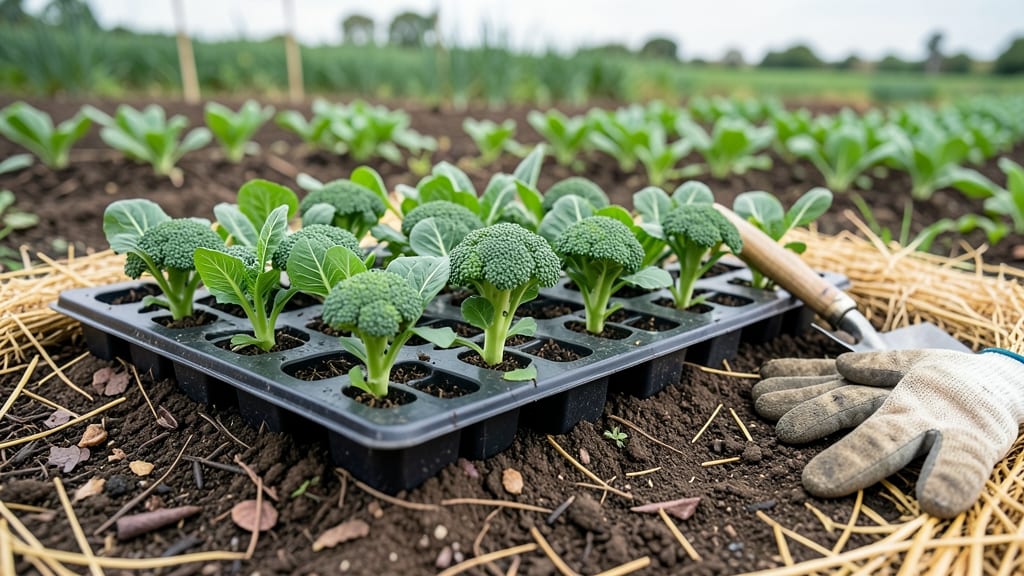
Planting a 🌱 vegetable garden in Northern California at the wrong time can mean the difference between a bountiful harvest and a sad, wilted disappointment. With microclimates ranging from foggy coastal areas to hot inland valleys, timing is everything—and getting it right starts with knowing your county’s last frost date.
Whether you’re in San Francisco’s chilly 9b zone or Sacramento’s warmer 8a, the rules change dramatically. Cool-season crops like lettuce and peas need to hit the soil 4-6 weeks before your last frost, while tomatoes and peppers can’t tolerate a single late-night chill.
Miss the window, and you’ll be starting over—or worse, watching your seedlings turn to mush.
In this guide, I’ll break down the exact planting windows for your region, from the Bay Area to the Sierra foothills, so you can avoid frost, maximize yields, and grow like a pro. No more guesswork—just a clear, county-specific roadmap to a garden that thrives all season long.
Ready to dig in? Let’s get you planting at the perfect moment—because in Northern California, timing isn’t just important. It’s everything.
Northern California planting zones by county: frost dates and ideal start times
Northern California's USDA Hardiness Zones 8-10 create a gardening paradox: coastal areas like Marin County enjoy 9b climates with mild winters, while inland valleys like Fresno experience Zone 9a with hot summers and earlier frosts.
These differences mean your last frost date could arrive 6 weeks earlier in Sacramento than in San Francisco.
Understanding these microclimates is critical because cool-season crops like broccoli and peas need to be planted 4-6 weeks before your local last frost, while warm-season crops such as tomatoes and peppers require soil temperatures above 60°F to thrive.
Let's break down the key county-specific frost dates and optimal planting windows to help you time your garden perfectly.
Here's a summary table comparing Northern California counties by USDA Zone, average last frost date, and ideal transplanting windows for both cool-season and warm-season crops. Remember, elevation adjustments can shift these dates by 1-2 weeks per 1,000 feet—mountain areas like Nevada County may experience Zone 7a conditions.
For coastal counties like Marin and San Francisco, the foggy marine layer often delays warm-season crops by 2-3 weeks. I've seen tomato seedlings struggle when planted too early in these areas—wait until March 1 or later for best results.
Meanwhile, inland valleys like Sacramento can start warm crops by mid-March, giving you a longer harvest window before summer heat sets in.
One critical adjustment for all gardeners: elevation matters. If you're gardening in foothill areas like Nevada County or El Dorado Hills, subtract 1-2 weeks from the inland frost dates above.
For example, a 3,000-foot elevation could push your last frost date back to April 1 instead of March 15. Use a minimum thermometer to track your local frost patterns for 2-3 years to refine these estimates.
When planning your cool-season garden, remember that leafy greens like kale and spinach can often survive light frosts, while root crops like carrots and beets prefer consistent soil temperatures above 40°F.
For warm-season crops, soil temperature is more critical than air temperature—use a soil thermometer to confirm 60°F+ before planting tomatoes or peppers. I've had pepper seedlings fail twice because I planted them too early when soil was still cool.
For fall planting, aim to get warm-season crops like eggplant and basil in the ground by mid-August in most areas. Coastal regions can extend this to early September, while inland valleys should start by late July. The
Microclimate-specific planting calendar: what to sow each month by region
Northern California’s planting calendar isn’t one-size-fits-all. The Bay Area’s coastal fog delays warm-season crops by weeks compared to Sacramento’s inland heat. Even within the Central Coast, Santa Barbara’s Mediterranean climate lets you plant earlier than fog-prone Monterey.
Understanding these differences means the difference between a thriving garden and a failed experiment.
For tomatoes, lettuce, and winter squash—three of the most popular crops—timing is critical. Tomatoes need consistent warmth after your last frost, while lettuce bolts in summer heat. Winter squash, planted too late, may not mature before frost.
Below, I’ve broken down the month-by-month planting windows for four key regions, including direct-sow vs. transplant tips and heat-tolerant varieties for inland areas.
🌱 Pro Tip: Use succession planting for fast-growing crops like radishes and bush beans—sow every 2-3 weeks to ensure a continuous harvest. For slow growers like broccoli and cabbage, stick to the early-season windows to avoid summer stress.
| Region | Month | Cool-Season Crops (Direct Sow) | Warm-Season Crops (Transplant) | Succession Planting Tip | ||||
|---|---|---|---|---|---|---|---|---|
| Lettuce | Peas | Carrots | Tomatoes | Peppers | Squash | |||
| Bay Area (Marin/San Francisco) | February | ✅ | ✅ | ✅ | Sow spinach and kale for spring harvest. | |||
| March | ✅ | ✅ | ✅ | Last chance for onions and broccoli before heat. | ||||
| April | 🌱 Start indoors | 🌱 Start indoors | Transplant cabbage for summer harvest. | |||||
| May | 🌿 Transplant after May 15 | 🌿 Transplant after May 15 | 🌿 Transplant after May 15 | Sow bush beans every 2 weeks. | ||||
| August | ✅ | ✅ | ✅ | Choose heat-tolerant varieties like Romaine lettuce. | ||||
| September | ✅ | ✅ | ✅ | Plant garlic for next year’s harvest. | ||||
| Sacramento Valley (8a Zone) | February | ✅ | ✅ | ✅ | Use row covers for early lettuce. | |||
| March | ✅ | ✅ | ✅ | Direct-sow radishes every 3 weeks. | ||||
| April | 🌱 Start indoors | 🌱 Start indoors | Plant cucumbers after last frost. | |||||
| May | 🌿 Transplant after April 30 | ★★★★★4.8(9 reviews) | ||||||