
Planting
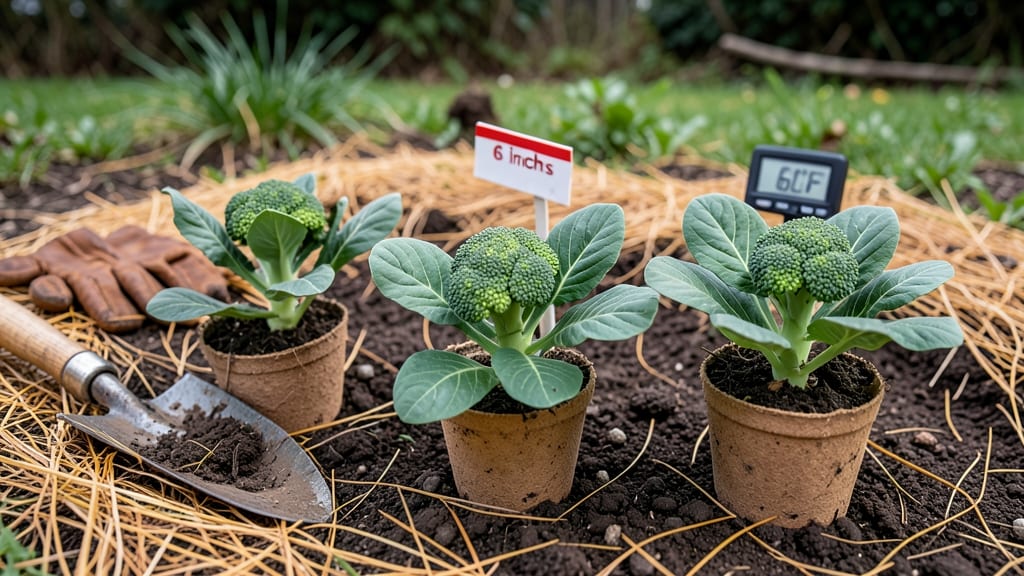
Planting a winter garden in Florida isn’t about dodging frost—it’s about timing your 🥬 winter vegetables perfectly to avoid the heat’s last gasp and the rare cold snap. The key? Start between September and October for fall harvests or stretch into January for winter crops, depending on your zone.
Here’s the secret Florida gardeners swear by: cool-season crops like kale and broccoli thrive when daytime temps dip below 85°F, but planting too late means battling summer’s stubborn heat.
I’ll show you exactly when to put seeds in the ground—whether you’re in frost-free Miami or the slightly cooler panhandle—to guarantee a harvest from December through April.
Why does this matter? Because a well-timed winter garden means fresh, homegrown greens on your table when grocery store options dwindle. Plus, Florida’s mild winters let you grow low-maintenance crops that even beginners can master—no greenhouse required.
Let’s break down the exact planting windows for your zone, the best crops to choose, and how to protect your plants from Florida’s quirks—like those unexpected 30°F dips in North Florida. Ready to turn your backyard into a winter harvest goldmine?
Florida’s winter planting zones: when to start for zero frost risk
Florida’s winter planting success hinges on understanding your USDA hardiness zone—whether you’re in frost-prone Zone 8A (like Tallahassee) or frost-free Zone 10B (like Miami). Unlike northern states, Florida’s winter garden thrives on avoiding summer’s lingering heat rather than frost.
The magic window? Plant between late August and November, but exact timing shifts 1-2 months depending on your zone.
Here’s the golden rule: cool-season crops like broccoli and spinach need soil temps below 85°F to germinate. In North Florida’s Zone 8A, that means starting seeds in September for a December harvest.
South Florida’s Zone 10B gardeners can stretch planting into November—but watch for rare cold snaps that can hit as late as February.
Don’t let Florida’s reputation for year-round warmth fool you: even Zone 10B can see unexpected 30°F dips. The difference? North Florida’s Zone 8A faces real frost risk (though rare), while Central (9A-9B) and South (10A-10B) zones stay frost-free.
Your planting window isn’t just about avoiding frost—it’s about escaping summer’s 90°F+ soil temps that stunt seed germination.
🌱Pro Tip: Use a soil thermometer—ideal germination temps for winter crops hover around 60-70°F. If your soil’s above 80°F, wait 2-4 weeks or use shade cloth to cool it down.
| Zone | Ideal Planting Window | Avoid Planting After | Key Crops | Frost Risk |
|---|---|---|---|---|
| 8A (North FL: Tallahassee, Gainesville) | Late August - September | October (soil too warm) | Kale, Broccoli, Carrots, Spinach | Low (rare frost) |
| 9A (Central FL: Orlando, Ocala) | September - Early October | November (heat stress) | Lettuce, Radishes, Swiss Chard, Peas | Very Low |
| 9B (Central FL: Tampa, Lakeland) | September - Mid-October | December (late heat) | Green Onions, Collards, Mustard Greens | None |
| 10A (South FL: Fort Myers, Naples) | October - November | January (unpredictable cold) | Cabbage, Brussels Sprouts, Turnips | None |
| 10B (South FL: Miami, Key West) | November - January | February (heat returns) | Arugula, Bok Choy, Microgreens | None |
North Florida’s Zone 8A gardeners have the tightest window—plant broccoli or carrots by September 15th to avoid summer’s heat. Central Florida’s Zones 9A-9B can stretch into October, while South Florida’s Zones 10A-10B enjoy a 3-month planting window.
The key? Succession planting: sow seeds every 2-3 weeks to ensure continuous harvests through April.
🌿Regional Reality Check: Even in frost-free zones, January-February can bring chilly nights. Use row covers or mulch to protect tender crops like lettuce or spinach. In Zone 8A, a frost cloth is your best friend—especially if you’re growing Brussels sprouts, which take 90 days to mature.
For Zone 10B gardeners, the biggest challenge isn’t frost—it’s heat spikes
Best winter crops for Florida and their exact planting dates
Florida’s winter garden thrives on cool-season crops that love temperatures between 55°F and 75°F. Unlike northern states, you won’t face frost, but timing is critical—plant too early, and you’ll battle summer heat; too late, and you miss the sweet spot before temperatures climb again.
My top picks? Leafy greens, brassicas, and root crops that deliver harvests from December through April.
Here’s the game-changer: succession planting. By staggering seeds every 2-3 weeks, you’ll enjoy continuous harvests instead of one big bounty. For example, sow lettuce in September for fall harvests, then again in November for winter. Let’s dive into the exact planting dates for each crop, tailored to Florida’s zones.
| Crop | Planting Window | Zones 8A-9A | Zones 9B-10B | Succession Tip |
|---|---|---|---|---|
| Leafy Greens (Lettuce, Spinach, Kale) | September-October (fall) or November-January (winter) | September 15 - October 15 | October 1 - November 15 | Sow every 2 weeks for continuous harvests |
| Brassicas (Broccoli, Cabbage, Cauliflower) | August-September (transplants) or October-November (seeds) | August 1 - September 15 | September 15 - October 30 | Start transplants indoors 4-6 weeks before last outdoor date |
| Root Crops (Carrots, Radishes, Turnips) | September-October (fall) or November-December (winter) | September 1 - October 10 | October 15 - November 15 | Radishes mature fast—plant every 3 weeks |
| Peas (Sugar Snap, Snow Peas) | November-January (best in cooler zones) | November 1 - December 15 | December 1 - January 15 | Trellis for vertical growth; plant in partial shade |
| Herbs (Cilantro, Parsley, Dill) | September-October (fall) or November-December (winter) | September 10 - October 20 | October 1 - November 10 | Cilantro bolts in heat—choose winter for best flavor |
For North Florida (Zones 8A-9A), start earlier to beat the heat. In South Florida (Zones 9B-10B), you’ve got a longer window—even February plantings can work for quick crops like radishes.
Pro tip: Mulch heavily in January to protect roots from temperature swings, especially in Zone 8A where rare cold snaps hit.
Don’t overlook succession planting—it’s the secret to a year-round harvest. For example, after harvesting your first batch of lettuce in December, sow more seeds in late January for a February-March crop.
This works for radishes, spinach, and turnips too. Just remember: Florida’s winter garden is all about timing and layering.
Start with 2-3 crops to avoid overwhelm. My top beginner picks? Lettuce, spinach, and radishes—they’re fast-growing, forgiving, and perfect for Florida’s mild winters. With these planting dates, you’ll enjoy fresh, homegrown greens even when grocery store selections shrink.
🌱