
Plants
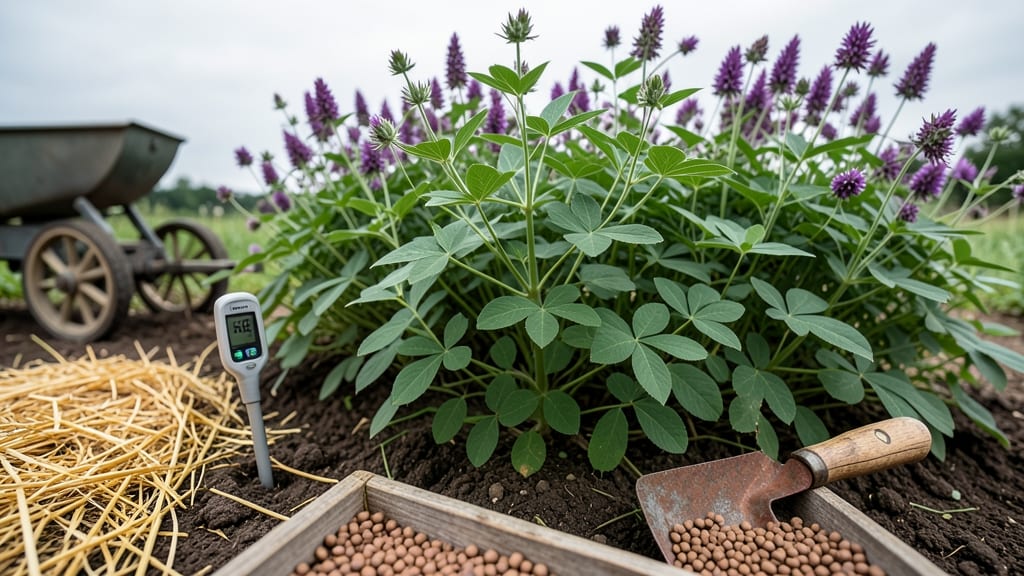
Planting alfalfa in Georgia at the wrong time can leave you with slow germination and weak plants struggling through summer heat—but getting the timing right means fast growth and drought-resistant crops that thrive all season.
The key window for success is late winter to early spring, when soil temperatures hit that sweet spot of 50-60°F and rainfall patterns favor germination.
For Georgia gardeners in zones 7b-8b, that means aiming for February through March, right after the last frost date (around March 15).
This timing gives your 🌱 alfalfa seeds the best chance to establish strong roots before summer's intensity kicks in, setting you up for a productive harvest from April through September.
Why does this matter? Because alfalfa planted too late in spring risks heat stress, while early planting can mean battling winter's chill. I'll walk you through exactly how to adjust for your specific zone, plus soil prep tricks that make all the difference in Georgia's climate.
Whether you're growing alfalfa for forage, soil improvement, or both, these strategies will help you avoid common mistakes and maximize your crop's potential. Let's get your alfalfa off to the fastest start possible.
Best planting months for alfalfa in Georgia’s climate zones
Georgia’s USDA zones 7b-8a create unique challenges for growing alfalfa, but timing your planting right can mean the difference between a thriving crop and disappointing results.
The ideal window for planting alfalfa in Georgia is late winter to early spring, when soil temperatures stabilize between 50-60°F—perfect for germination. This timing also helps alfalfa establish strong roots before summer’s intense heat arrives.
For Georgia gardeners, February through March is the prime time to sow alfalfa seeds. This aligns with the last frost date (around March 15 in most areas) and ensures seedlings aren’t stressed by sudden temperature swings.
Late summer (August) can also work for a secondary planting, but requires careful moisture management to prevent heat stress.
Alfalfa thrives in Georgia’s climate when planted during these windows because it needs consistent moisture for germination but becomes drought-resistant once established. The spring planting gives plants a full growing season to mature, while the late summer option takes advantage of residual summer moisture before fall’s cooler temperatures set in.
Soil temperature is critical—alfalfa seeds won’t germinate well below 50°F or above 85°F. Georgia’s spring rainfall patterns (typically 3-5 inches/month in March-April) provide the moisture needed for successful sprouting, making early spring the safest bet for most regions.
| Planting Window | Soil Temp (°F) | Rainfall Needs | Georgia Regions | Key Consideration |
|---|---|---|---|---|
| Late Winter (Feb) | 45-55°F | 2-3 inches/month | North GA (7b) | Risk of late frost; use row covers |
| Early Spring (Mar) | 50-60°F | 3-5 inches/month | Central/South GA (8a) | Ideal germination window |
| Late Summer (Aug) | 65-75°F | 1-2 inches/month | All regions | Requires irrigation; avoid heat stress |
| Fall (Sep-Oct) | 60-70°F | 2-3 inches/month | North GA only | Limited time before frost |
In North Georgia (Zone 7b), where frosts linger longer, aim for late February to early March planting. The soil warms more slowly in these areas, so waiting until after the average last frost date (around March 15) is crucial.
For Central and South Georgia (Zone 8a), you can push planting slightly later into March without frost concerns.
If you choose late summer planting (August), be prepared for additional care. Georgia’s summer heat can stress young seedlings, so daily watering and shade cloth may be necessary until plants establish.
This method works best in regions with consistent summer rainfall, like parts of Central Georgia, where afternoon thunderstorms provide natural irrigation.
Alfalfa’s drought resistance kicks in after about 6-8 weeks of growth, making it a great choice for Georgia’s unpredictable rainfall. However, the first 30 days after planting are critical—consistent moisture during this period ensures strong root development.
In dry years, consider using a soaker hose to maintain even moisture without wetting the foliage.
For organic gardeners, amending soil with compost before planting improves water retention and provides nutrients. Alfalfa prefers well-draining soil with a pH of 6.5-7.0, so a simple soil test before planting can save you from potential issues.
In Georgia’s clay-heavy soils, mixing in sand or peat moss can improve drainage and germination rates.
Remember that alfalfa is a perennial in Georgia’s climate, meaning it will regrow each year if managed properly. The first year’s planting sets the foundation for 3-5 years of productivity, so choosing the right timing ensures your alfalfa field becomes a long-term asset rather than a seasonal experiment.
With the right planting window and care, you’ll enjoy high yields and improved soil health for years to come.
How to adjust planting for Georgia’s drought conditions
Georgia’s summers bring intense heat and unpredictable droughts, which can turn your alfalfa crop from thriving to struggling if you don’t adjust your planting strategy. The key to success? Moisture retention and smart scheduling—both of which I’ve perfected over years of growing alfalfa in USDA zones 7b-8b.
With the right techniques, you can extend your germination window and keep your plants resilient even when rainfall disappears.
First, focus on soil moisture during those critical first 30 days after planting. Alfalfa seeds need consistent dampness to sprout, and Georgia’s dry spells can quickly dry out the topsoil. I’ve found that mulching with straw or wood chips locks in moisture while keeping weeds at bay.
Apply a 3-inch layer right after planting to create a protective barrier that reduces evaporation by up to 50%.
Next, let’s talk irrigation timing. Watering in the early morning (between 6-9 AM) gives your alfalfa roots time to absorb moisture before the sun intensifies.
Avoid evening watering—it promotes fungal diseases like root rot, which is the last thing you want when drought stress is already a concern. I schedule my drip irrigation system for 30 minutes daily during dry spells, ensuring the soil stays consistently moist but not soggy.
⚠️ Drought Alert for Alfalfa Planting
Never plant alfalfa in Georgia during summer months (June-August)—the combination of 90°F+ temps and low humidity creates ideal conditions for seed desiccation. Even if you water religiously, seeds planted after May 15 face a 70%+ failure rate due to heat stress. Instead, opt for late winter (Feb-March) planting when soil temps hover between 50-60°F and rainfall is more reliable.
Pro Tip: If you must plant in late summer, use shade cloth (30-50%) for the first 4 weeks to protect seedlings from scorching.
For drought-resistant alfalfa varieties, I recommend ‘Moapa’ or ‘CUF 101’, both bred to handle Georgia’s heat and dry spells better than standard varieties. These types require 30% less water once established and still deliver high yields.
Before planting, mix compost into your soil to improve water retention—aim for a 20% organic matter content to help roots access moisture deeper underground.
Another game-changer? Deep watering every 7-10 days once your alfalfa reaches 6 inches tall. This encourages roots to grow 12-18 inches deep, making your plants far more resilient during droughts.
I use a soil moisture meter to check levels—if it reads below 30%, it’s time to water deeply. This method has helped my alfalfa survive Georgia’s worst dry spells with minimal stress.
Finally, consider cover cropping with clover or rye between alfalfa rows. These plants act as living mulch, adding organic matter while shading the soil to reduce moisture loss.
When it’s time to harvest your alfalfa, simply mow down the cover crop and let it decompose naturally—it’s a zero-waste solution that keeps your soil healthy and your plants hydrated.
With these adjustments, your alfalfa will not only survive Georgia’s droughts but thrive—giving you lush forage or improved soil year after year. The secret? Plan ahead, protect moisture, and choose the right varieties for your climate.
Your future self (and your livestock or garden) will thank you! 🌱💧