
Plants
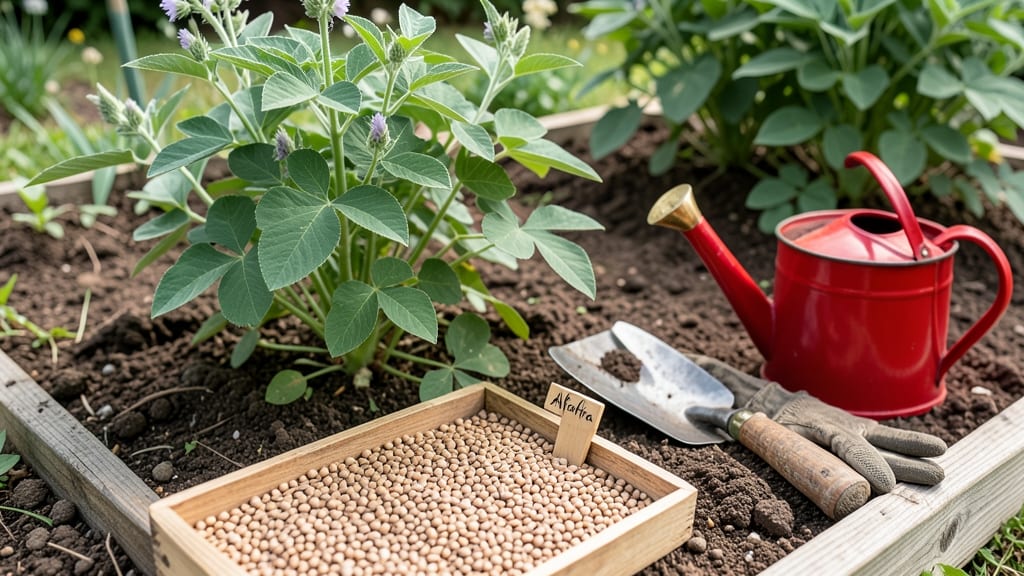
Planting alfalfa in Indiana at the wrong time can turn your 🌱 dreams into a frost-killed disappointment—so timing isn’t just about the calendar, it’s about reading the soil and sky. With USDA Zone 5b-6b’s unpredictable swings from late frosts to sudden heat, even experienced growers get it wrong.
The difference between a thriving crop and a failed patch often comes down to soil temperature and knowing when those last frost dates actually arrive.
If you’ve ever wondered why your alfalfa struggled last year, chances are you planted too early or too late. Indiana’s early spring window—typically March through mid-July—is your golden opportunity, but northern Indiana’s colder pockets demand patience while southern counties can push the envelope.
The key? Waiting until soil hits 50-60°F and counting 165 frost-free days before committing to seeds.
I’ve tested these timelines myself, and the results speak for themselves: alfalfa planted in early April (after the last frost) establishes roots faster than late-May plantings. But here’s the catch—if you’re in Zone 5b, don’t rush.
Northern Indiana’s frost dates can linger until April 15, while southern areas might be safe by early March. The right window makes all the difference.
Ready to avoid the common mistakes? I’ll walk you through exactly when to plant, how to prep your soil, and which alfalfa varieties thrive best in Indiana’s climate—so you can finally grow that lush, productive crop you’ve been dreaming of.
Optimal soil temperature and planting window for Indiana alfalfa
Alfalfa thrives in Indiana’s temperate climate, but getting the timing right is everything. The ideal soil temperature for planting is between 50-60°F, which typically aligns with Indiana’s late March to early April window.
This range ensures strong germination before summer heat sets in. Northern Indiana (Zone 5b) often waits until mid-April, while southern regions (Zone 6b) can start as early as late March.
Your frost-free date is the real deadline—planting too early risks frost damage to tender seedlings. In northern Indiana, the average last frost is April 15, while southern Indiana sees frost-free conditions by April 1.
Using a USDA Plant Hardiness Zone map helps pinpoint your exact window, but local weather patterns can shift these dates by weeks.
Here’s how to match your region to the perfect planting window:
Planting too early risks frost damage or slow germination, while delaying past May can lead to weed competition and reduced yields. Early spring planting (March-April) gives alfalfa a 6-8 week head start before summer heat, but requires monitoring for late frosts.
A 10-day buffer after your average last frost date is ideal for safety.
For northern Indiana growers, consider a late April to early May window if March planting isn’t feasible. Southern Indiana’s warmer microclimates allow for February sowings in protected beds, but always verify soil temps—cold soils delay germination by weeks.
Use a planting calendar from your local Purdue Extension office for real-time updates.
Alfalfa’s deep taproot system benefits from warmer soil, which is why late spring plantings (June) are possible but risk shorter first-year growth. If you miss the ideal window, opt for fall planting in September—just ensure 6-8 weeks of growth before frost.
This trade-off extends the harvest window into the next season.
Don’t skip soil prep—alfalfa demands well-draining, slightly acidic soil (pH 6.5-7.0). Work in compost or aged manure 4-6 weeks before planting to boost nitrogen levels, which alfalfa depletes quickly. A soil test from your county extension office will reveal if you need lime or phosphorus adjustments.
If you’re new to alfalfa, start small—plant a 10x10 foot test plot to gauge your local conditions. Note when sprouts emerge and adjust future plantings accordingly.
Over time, you’ll refine your Indiana-specific window based on your microclimate. Patience pays off—alfalfa’s perennial nature means a well-timed planting can yield for 3-5 years!
For extra protection, use row covers in early spring to warm soil faster and shield seedlings from unpredictable late frosts. Remove covers once consistent daytime temps hit 60°F. This simple trick can extend your planting window by 2-3 weeks in colder years.
Indiana-specific alfalfa varieties and their planting timelines
Choosing the right alfalfa variety for Indiana’s climate is half the battle—especially when unpredictable spring frosts can derail your crop. The 'Indiana' strain and 'Ranger' varieties dominate local farms for their cold tolerance and adaptability to USDA Zones 5b-6b.
Meanwhile, 'Ladak' offers early maturity, perfect for northern Indiana’s shorter growing seasons.
Your planting window hinges on variety cold ratings and soil temperature thresholds. 'Ranger' can handle 30°F soil temps, while 'Ladak' thrives at 40°F—meaning March plantings work for southern Indiana, but northern growers should wait until mid-April for frost-free success.
| Variety | Cold Tolerance | Planting Window | Yield Potential | Regional Fit |
|---|---|---|---|---|
| Indiana Strain | 32°F soil | Late March–April | High (3+ tons/acre) | Statewide |
| Ranger | 30°F soil | March–April | Very High (4+ tons/acre) | Southern IN |
| Ladak | 40°F soil | Mid-April–May | Medium (2–3 tons/acre) | Northern IN |
For northern Indiana, prioritize 'Ladak'—its 40°F soil tolerance aligns with late-April planting when frost risk drops below 20%. In southern Indiana, 'Ranger' excels with its earlier maturity, letting you harvest 2 weeks sooner than standard varieties.
Pro tip: Test soil temps with a soil thermometer—alfalfa seeds need 50–60°F for 90% germination. If temps dip below 45°F, delay planting by 2–3 weeks to avoid seed rot.
Variety choice also affects harvest timing. 'Indiana' strain matures in 90–100 days, while 'Ladak' takes 110–120 days. Plan harvests for late August to avoid fall frosts that reduce forage quality.
My top recommendation? Start with 'Indiana' strain for versatility, then adjust based on your last frost date. Use local USDA frost charts to fine-tune your schedule—because in Indiana, timing is everything. 🌱