
Planting
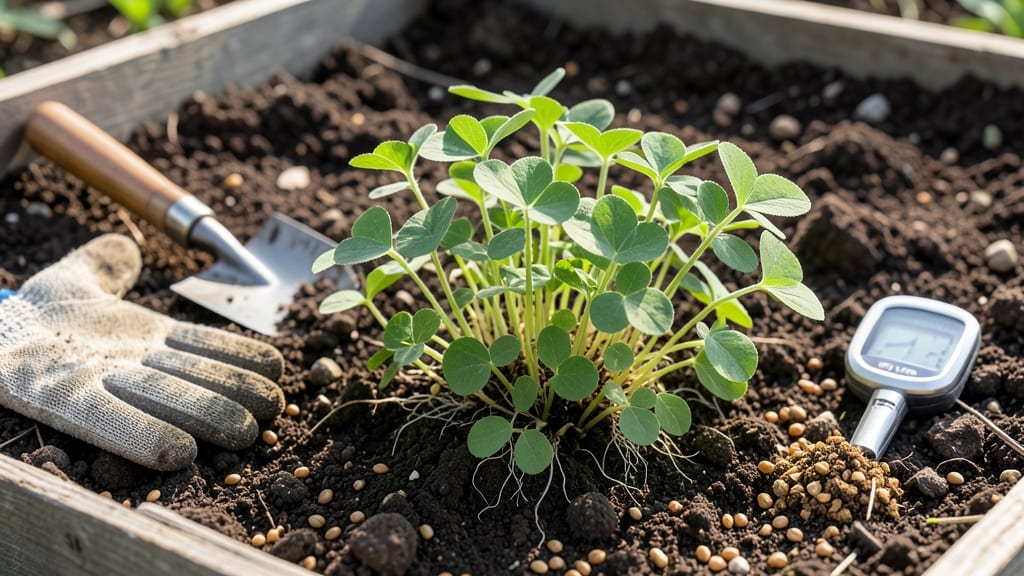
Planting alfalfa in the fall gives your crop a head start on spring growth—but timing it wrong can leave your 🌱 struggling to survive the cold.
The key is getting seeds in the ground when soil temperatures hover between 45°F and 65°F, typically 4-6 weeks before your first frost, so roots establish before winter sets in.
In USDA Zone 6a, that usually means aiming for early September to mid-October, when days grow shorter but nights stay cool enough for germination. This window lets alfalfa develop a strong root system before dormancy, setting you up for a faster and more productive harvest next year.
Why does this matter? Fall-planted alfalfa often outperforms spring plantings because it avoids heat stress and competes better with weeds. Plus, cooler temperatures reduce disease pressure, giving your forage crop a cleaner start. Let’s break down exactly how to nail your planting schedule for your specific climate.
You’ll learn how to test soil temps, adjust for regional frost dates, and avoid common mistakes that can kill your crop before spring. With the right approach, you could be harvesting lush, nutrient-rich alfalfa in just 12 months—not years. Let’s get started.
Optimal fall planting windows for alfalfa by USDA hardiness Zone
Getting your alfalfa seeds in the ground at the right time in fall ensures strong root development before winter dormancy. The ideal soil temperature range for alfalfa germination is 45-65°F, with cooler nights helping young plants harden off.
Northern climates have tighter windows than Southern regions, where milder winters allow later plantings. Let's break down the perfect timing for each USDA hardiness zone to maximize your alfalfa's survival and spring growth.
Alfalfa's deep root system needs 4-6 weeks of warm soil before the first frost to establish properly. In Zone 3-5, where winters are harsh, you'll need to plant earlier than in Zone 7-10, where you might even squeeze in a late fall planting.
Each zone's frost-free timeline dictates when to sow seeds for optimal germination. Let's look at the specific windows that work best for your region.
Pro Tip: Use a soil thermometer to verify temperatures before planting. If your soil is still above 65°F in late fall, wait a week or two to avoid stressing young seedlings with sudden cold snaps.
In Zones 3-4, where winters are brutal, aim for mid-August planting to give alfalfa's roots time to establish before the ground freezes. The 50-60°F soil temperature range is critical here—any warmer, and seeds may rot before germinating.
Use black plastic mulch to retain heat if your soil cools too quickly.
For Zones 5-6, late August works best, but monitor your local frost forecast. If an early frost is predicted, shift planting to early September. These zones benefit from cover crops like clover planted alongside alfalfa for nitrogen fixation during establishment.
Southern gardeners in Zones 7-10 have the most flexibility. September plantings work well, but you can extend into early October in mild climates. The key is ensuring soil stays above 55°F—if nights dip below this, use row covers or plant in microclimates near buildings for extra warmth.
Remember, alfalfa's deep taproots need well-drained soil to avoid rot during winter. Amend heavy clay soils with compost or sand before planting. In waterlogged areas, consider raised beds for better drainage.
After planting, mulch with straw or leaves to insulate roots and prevent soil temperature fluctuations. This helps young plants transition smoothly into winter dormancy without stress. With the right timing, your alfalfa will emerge strong in spring, ready for rapid growth.
Soil temperature secrets: how to test and adjust for alfalfa germination
Alfalfa seeds need consistent soil temperatures between 45°F and 65°F to germinate properly in fall. Too cold, and they’ll rot; too warm, and they’ll dry out before sprouting.
I’ve learned the hard way that rushing this step can leave you with patchy, weak seedlings that struggle through winter. Let’s fix that with precise testing and adjustments.
Start by checking your soil temperature at planting depth—which is ¼ inch deep for alfalfa seeds. Most garden centers sell soil thermometers for under $15, or you can use a digital meat thermometer (just sanitize it first!).
Test temperatures at midday and evening—they fluctuate more than you’d expect, especially in late fall.
Here’s my foolproof method for creating the perfect germination conditions before frost hits:
Insert thermometer ¼ inch deep in moist soil. Check twice daily (morning/evening) for 3 days to confirm consistency.
If temps drop below 45°F, cover planting area with black plastic mulch for 3-5 days to absorb sunlight and warm soil.
Water 24 hours before planting to 12-inch depth. Use a moisture meter to confirm—alfalfa hates dry or waterlogged soil.
Aim to plant when soil stays between 55°F-60°F during the day. This gives seeds 4-6 weeks to germinate before hard frost.
After planting, check soil temp daily. If it drops below 40°F, add straw mulch (2-3 inches) to insulate roots.
One trick I swear by? Planting in raised beds warms soil faster than ground-level plots. The extra heat from the bed’s sides can give you an extra 1-2 weeks of germination time before frost. Just avoid beds that hold too much moisture—alfalfa roots need air circulation to thrive.
Remember, alfalfa’s root system develops slowly in cool fall soils. If you rush planting, those roots won’t establish deeply enough to survive winter. Take the time to test, adjust, and monitor—your spring harvest will thank you.
With these steps, you’ll have uniform germination and seedlings ready to bulk up before the snow flies.
🌱