
Plants
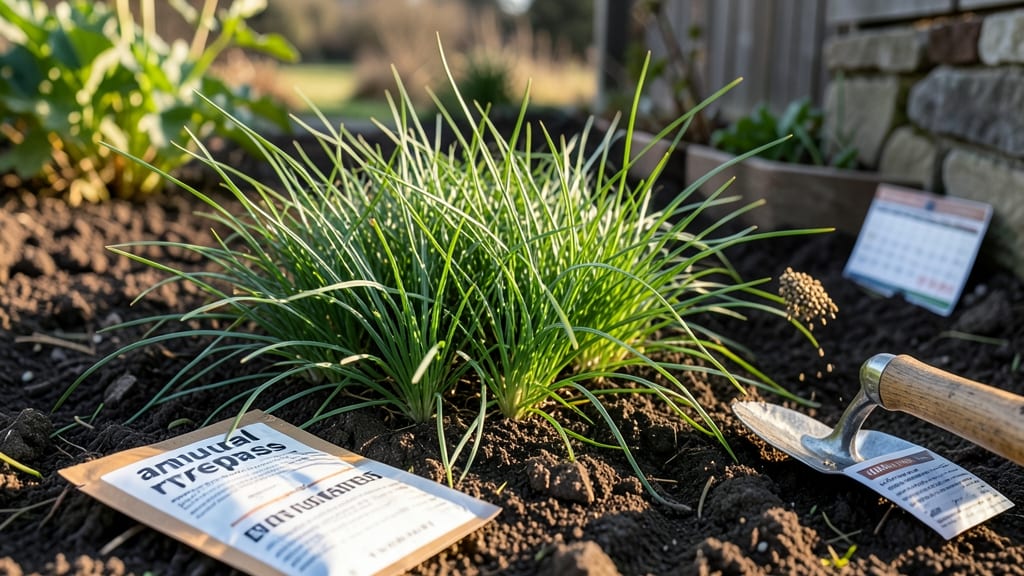
Planting annual ryegrass 🌾 at the wrong time in Texas can turn your cover crop dreams into a costly mistake—so knowing the perfect window makes all the difference for healthy soil and winter protection.
If you've ever wondered why some Texas gardeners swear by fall planting while others prefer winter, the answer lies in your local frost dates and microclimates.
North Texas needs seeds in the ground by early October, while South Texas can stretch planting until mid-November—getting this wrong means weaker growth or wasted effort.
I'll show you exactly how to time your planting for maximum success, from soil prep tips to county-specific deadlines that work for your specific Texas region.
Whether you're in the Panhandle or the Rio Grande Valley, these strategies will help you establish a thriving cover crop that protects your soil all winter long.
Ready to transform your lawn or garden? Let's dive into the best planting windows, variety recommendations, and practical adjustments that actually work for Texas conditions—no guesswork required.
Texas county-specific planting deadlines for annual ryegrass
Texas' vast size means annual ryegrass planting deadlines vary dramatically from North Texas to South Texas. In Panhandle counties, you have just 4-6 weeks before frost hits, while Houston gardeners enjoy a 3-month window. These differences are critical for establishing your cover crop before winter dormancy begins.
Your planting success hinges on two key factors: soil temperature (ideal: 60-75°F) and first frost dates. Plant too early, and your seeds may rot in warm soil; too late, and frost will kill young seedlings.
Let's break down the optimal planting windows by Texas region to ensure your annual ryegrass thrives all winter.
🌾
For North Texas counties like Denton or Tarrant, aim to plant by October 15 to establish roots before the December 1 average first frost. The soil temperature should be between 60-75°F—use a soil thermometer to verify before sowing.
If you wait until November, your seedlings may struggle to establish before winter chill sets in.
Central Texas gardeners in Travis or Williamson counties have slightly more flexibility. The first frost typically arrives around November 15-30, giving you until October 31 for planting. This region's warmer fall soils (65-75°F) allow for later sowing compared to North Texas.
However, don't push it—seeds planted after November 1 risk poor germination due to cooling temperatures.
In South Texas, where first frost often hits January 1-15, you can extend your planting window until November 15. Counties like Nueces or Cameron benefit from warmer soils (65-80°F) that stay ideal for germination longer.
This makes South Texas the most forgiving region for late plantings, but even here, aim to finish by December 1 to avoid winter stress on young plants.
If you're in the Panhandle, your window is the shortest—just August 1 to September 30. The cooler climate means soil temperatures drop faster, and the November 15-30 frost arrives earlier.
Plant by October 15 at the latest to ensure your annual ryegrass has time to establish a strong root system before winter.
Pro tip: Use a soil thermometer to confirm temperatures are in the ideal range before planting. If your soil is above 80°F, wait a few days or provide light shade to prevent seed rot.
For cooler regions, consider a light row cover to extend the growing season by 2-3 weeks.
Remember, annual ryegrass planted too late may not reach maturity before winter, but it can still provide soil protection and winter forage if established even a few
How to adjust planting dates for Texas microclimates
Texas's diverse microclimates—from the high-altitude Hill Country to coastal humidity and urban heat islands—can shift ideal planting windows by weeks. Annual ryegrass thrives in cooler weather, but your local conditions might demand earlier or later starts.
Understanding these variations ensures your cover crop establishes strong roots before winter sets in.
For example, North Texas counties like Lubbock (Zone 8a) can plant as late as mid-October, while South Texas areas like Brownsville (Zone 9b) should aim for early September to avoid heat stress. Even within Central Texas, a 500-foot elevation change can delay frost by 2-3 weeks.
Urban areas like Austin or Houston face additional challenges: asphalt and concrete trap heat, making soil stay warmer longer. This can trick ryegrass into thinking it's spring, leading to bolting (premature flowering) before winter. Coastal regions, meanwhile, may experience delayed first frosts due to Gulf moisture, pushing planting deadlines later.
⚠️ Critical Adjustment: Don't Plant Too Early in Heat Islands
Urban heat islands (like Dallas or San Antonio) can raise soil temps by 10-15°F compared to rural areas. Planting annual ryegrass before September 15 in these zones risks seed dormancy or heat stress. Use a soil thermometer—ideal germination temps are 60-75°F. If soil exceeds 80°F, wait 2-3 weeks or use shade cloth.
High-altitude areas like Marfa (5,000+ ft elevation) experience earlier frosts and cooler soils. Here, aim to plant by mid-August to give ryegrass 6-8 weeks of growth before first frost. Check NOAA frost prediction maps for your county—these adjust annually based on La Niña/El Niño patterns.
Rainfall forecasts also play a role. In West Texas, where drought is common, plant after the first 1-inch rainfall of the season to ensure seed-to-soil contact.
Coastal areas like Galveston may need drainage adjustments—ryegrass hates soggy roots, so raise beds or plant on sloped ground if your forecast predicts heavy rains.
Pro tip: Use a combination of tools—a soil thermometer (to confirm temps), a rain gauge, and your local cooperative extension service (like Texas A&M AgriLife) for hyper-local advice. For example, their Frost Free Date Calculator accounts for microclimate nuances most generic guides miss.
By fine-tuning your planting dates with these adjustments, you'll maximize your annual ryegrass's soil protection and winter forage potential—no matter where in Texas you garden. 🌾