
Plants
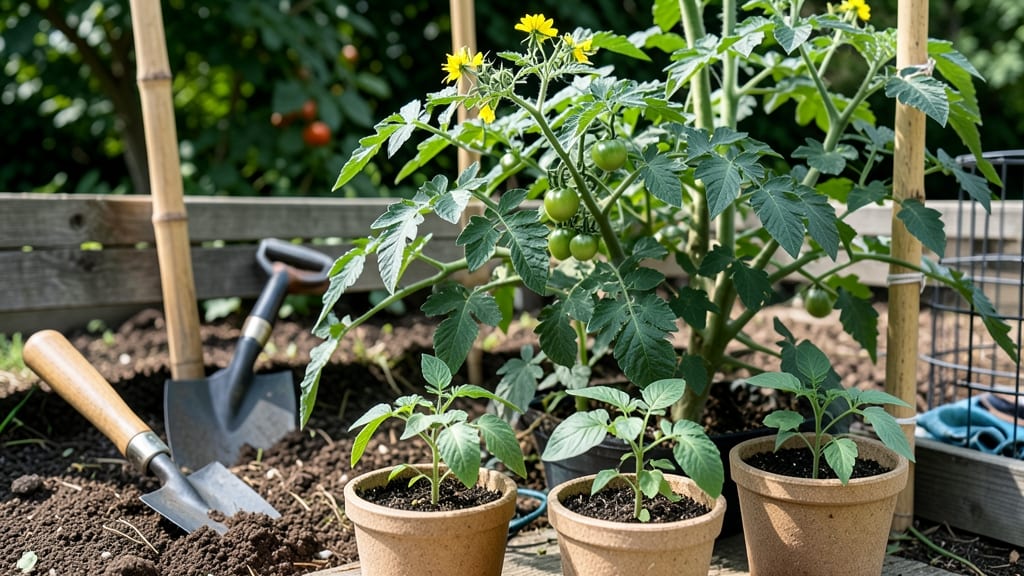
Planting fall tomatoes in Houston isn't just about timing—it's about beating the clock before early frosts turn your 🍅 harvest into a risky gamble.
With the right window, you can extend your tomato season well into December, but get it wrong, and you'll be left with wilted plants before the first chill arrives.
Most gardeners in USDA Zone 9a assume August is the only month for fall tomatoes, but Houston's unpredictable weather means your best bet might be late September. The key is understanding your county's frost risk—Harris County's urban heat islands can delay frost by weeks compared to rural areas.
I'll show you exactly when to plant based on local microclimates, which varieties hold up best against Houston's humidity swings, and how to protect your crop if a surprise frost sneaks in. No more guessing—just proven strategies for a bountiful fall harvest.
Whether you're a first-time gardener or a seasoned pro, these insights will help you avoid common mistakes like planting too early (heat stress) or too late (missed growth windows). Let's get those tomatoes thriving when they matter most.
Houston County fall tomato planting deadlines by last frost date
Timing your fall tomato transplant in Houston’s USDA Zone 8a/8b climate is all about beating the first frost while avoiding summer’s lingering heat. The average last frost date varies by county—Harris County typically sees frost by December 15, while Brazoria County holds off until January 15.
Plant too early, and your tomatoes will struggle with heat stress and blossom drop; too late, and frost will ruin your harvest before maturity.
To maximize your fall tomato yield, aim to transplant 60-70 days before your county’s first frost date. This window ensures your plants mature before temperatures dip below 32°F.
For example, in Montgomery County (Zone 8a), this means starting transplants around mid-August, while Fort Bend County gardeners can wait until early September. Microclimates—like urban heat islands or sheltered garden spots—can shift these dates by up to 2 weeks.
Black plastic mulch and row covers can extend your season by 2-3 weeks, but even these won’t protect against hard freezes. Always check your local Cooperative Extension Service for updated frost forecasts, as Houston’s weather patterns are notoriously unpredictable. My go-to varieties for fall planting include ‘Mountain Merit’ (cold-tolerant) and ‘Celebrity’ (early maturing), both of which handle Houston’s humid fall weather better than heat-sensitive types.
Here’s your county-by-county planting timeline, including adjustments for urban vs. rural areas where microclimates play a bigger role:
Urban gardeners in Houston’s heat islands (like downtown or near I-45) should delay planting by 3–7 days to avoid heat stress on young transplants. The concrete jungle can raise soil temperatures by 10°F or more, making early planting risky.
Conversely, rural areas with cooler nights (like Montgomery County’s farmlands) can start 1 week earlier without fear of overheating.
For container gardening, stick to the earlier transplant dates—pots heat up faster and dry out quicker. Use 5-gallon containers with moisture-retentive mix and place them in partial shade during the hottest part of August to protect seedlings.
My top tip: Harden off transplants for 7–10 days before moving them outside, especially if you’re pushing the late-August planting window.
If you’re unsure about your local frost risk
How to extend your Houston tomato season without frost damage
Houston’s fall weather can be a double-edged sword for tomato lovers. While cooler temperatures slow down pests, early frosts threaten your harvest. The key to success? Strategic planning and climate-smart tactics that keep your tomatoes thriving until December.
I’ve grown fall tomatoes in Houston for years, and these methods have saved my crops from multiple near-disasters—including a 28°F surprise in late November.
First, focus on cold-hardy varieties like 'Celebrity' or 'Mountain Merit', which tolerate light frosts better than standard types. Pair them with soil warming techniques to jumpstart growth in Houston’s heavy clay.
Even a few extra degrees can mean the difference between a thriving plant and a frost-killed one. Let’s break down the exact steps I use to extend my season safely.
- 1 Use row covers (like frost blankets) to protect plants when temps drop below 32°F. Secure edges with bricks or soil to prevent wind damage.
- 2 Plant cold-resistant varieties like 'Solar Fire' or 'Arkansas Traveler', which handle 28°F better than heirlooms. Start seeds indoors 6-8 weeks before your target transplant date.
- 3 Warm soil with black plastic mulch 2 weeks before transplanting. Houston’s clay retains heat poorly—this adds 5-10°F to root zones, speeding up growth in cooler fall months.
- 4 Set up emergency frost protection: Use cloche covers or string lights (wrapped in red plastic for warmth) when forecasts predict 35°F. Even a few degrees of extra heat can save your plants.
- 5 Harvest early and often. Ripe tomatoes won’t survive frost—pick them green but firm and ripen indoors. This also encourages more fruit production before cold sets in.
One trick I swear by is succession planting in late August. By staggering my transplants every 2-3 weeks, I ensure a continuous harvest through November. For example, I plant 'Mountain Merit' first (it’s faster to mature) followed by 'Celebrity' for a later crop.
This way, even if early frosts hit, I still get tomatoes from the second batch.
Don’t overlook mulching—a thick layer of straw or leaves insulates roots and keeps soil temperatures stable. In my garden, mulched beds stayed 10°F warmer than unmulched ones during a 40°F night.
Pair this with drip irrigation to avoid wetting foliage, which reduces fungal risks like blight—a common issue in Houston’s damp falls.
Finally, monitor local frost forecasts like those from the National Weather Service for Houston. I set up alerts for 36°F warnings and act immediately: covering plants, moving pots to sheltered spots, or even harvesting everything if frost is imminent.
With these strategies, I’ve extended my season 4-6 weeks beyond what most Houston gardeners achieve.