
Plants
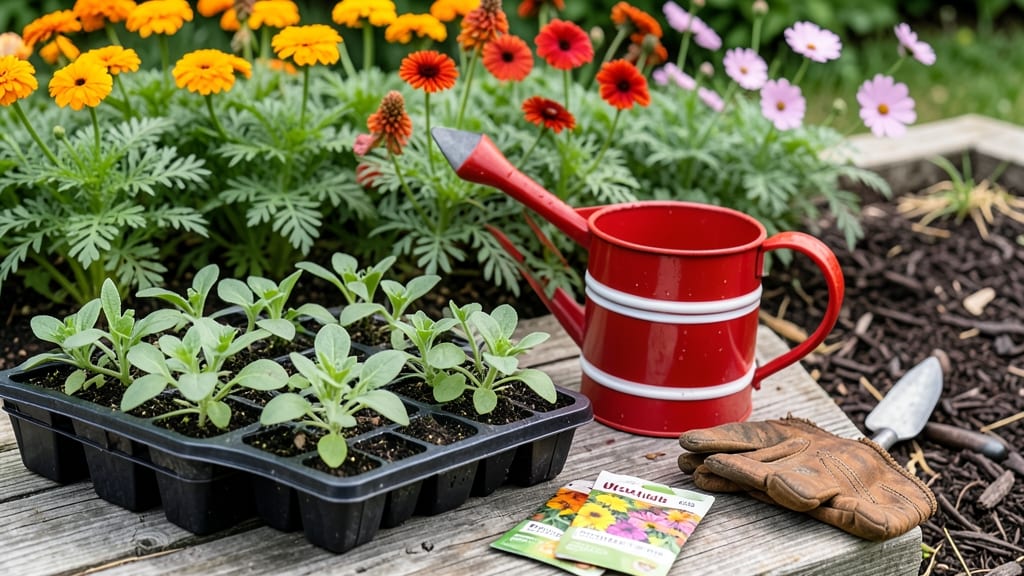
When to plant annuals in Maryland is the secret to a garden that blooms boldly from spring to fall—without a single frost-related meltdown. The last frost date in your USDA Zone 7b area isn't just a number—it's the deadline that separates thriving blooms from wilted disappointment.
If you've ever planted marigolds in April only to watch them turn to mush overnight, you know how critical this window is. Maryland's varied microclimates mean what works in Baltimore might fail in Frederick, and vice versa.
The key? Understanding your specific region's frost patterns and soil temperature cues before you even reach for those seed packets.
I'll walk you through Maryland's two perfect planting seasons—spring and fall—and exactly when to put those annuals in the ground for maximum impact. We're talking zero-frost blooms that last all summer, plus pro tips to extend your growing season when Mother Nature throws you a curveball.
Ready to turn your garden into a year-round showstopper? Let's get those annuals planted at the perfect moment so you can enjoy them from May through November without a single frost-related setback.
Maryland’s last frost dates by region: when to plant annuals for zero-frost blooms
Maryland’s last frost dates vary dramatically across its three distinct regions—Western, Central, and Eastern—making precise timing crucial for annual blooms that thrive without frost damage.
In USDA Zone 7b, where most of Maryland resides, these deadlines shift by weeks, especially when accounting for urban heat islands and coastal moderation. For example, Baltimore’s last frost typically arrives by April 15, while Frederick in the West may see frost linger until April 25.
Coastal areas like Annapolis often enjoy a 10-day earlier window due to the Chesapeake Bay’s warming influence.
Understanding these regional differences ensures your warm-season annuals like tomatoes and petunias get a head start, while cool-season varieties such as pansies and lettuce avoid late-spring freezes. The key is aligning your planting schedule with soil temperature thresholds—most annuals need 60°F+ soil to thrive.
Below, we break down the last frost dates by region, along with actionable deadlines for your favorite annuals.
⚠️ CRITICAL NOTE: Always monitor local forecasts, as late-spring cold snaps can push frost dates back by 1-2 weeks. Urban areas like Baltimore and Columbia often experience microclimates that are 5-10°F warmer than rural zones, delaying frost. Use a soil thermometer to confirm readiness—55°F is the minimum for most seeds to germinate.
For warm-season annuals, the 30-day rule applies: plant tomatoes and peppers at least 30 days before your region’s last frost to ensure they mature before summer heat arrives.
In Western Maryland, this means starting seeds indoors by March 15, while Eastern gardeners can wait until March 1. Petunias and marigolds, which tolerate cooler soils, can go in the ground 2 weeks after frost—so aim for April 25 in Central Maryland.
Conversely, cool-season annuals like pansies and lettuce thrive when planted 6-8 weeks before frost.
In Eastern Maryland, this translates to February 20 for early varieties, while Western gardeners should wait until March 15. Snapdragons and kale are more frost-tolerant and can handle light freezes, so extend your window to 4 weeks before frost.
Use row covers to push these deadlines by 10-14 days if late frosts threaten.
Don’t overlook fall planting—Maryland’s first frost typically arrives between October 15 (coastal) and October 30 (Western).
For cool-season annuals, sow seeds 60-75 days before frost: August 15 for lettuce in Eastern Maryland and August 25 in the West. Pansies and calendulas can even bloom through November if planted by September 1, thanks to their cold tolerance.
Pro tip: Use heat-tolerant annuals like vinca or portulaca to extend your summer blooms. These thrive in 90°F+ heat and can be planted after Memorial Day (late May
How to extend your Maryland annual planting season: cold frames, succession planting, and heat-tolerant varieties
Maryland’s 180 frost-free days in USDA Zone 7b offer a longer growing window than many gardeners realize—but many miss opportunities to extend their blooms or harvests.
By using cold frames, succession planting, and heat-tolerant varieties, you can push your planting windows by 4-6 weeks in both spring and fall.
For example, cold frames can start cool-season annuals like lettuce and pansies 6 weeks earlier than traditional outdoor planting. Meanwhile, heat-loving varieties like lantana and portulaca thrive when daytime temps hit 90°F+, making them perfect for late summer color when many plants wilt.
Traditional vs. Extended-Season Planting in Maryland
Traditional Planting
- ✅ Spring: After April 15 last frost
- ✅ Fall: Before September 15 first frost
- ✅ Heat limit: 85°F max for most annuals
- ✅ Season length: 120 days max
Extended-Season Planting
- ✅ Spring: March 1 (cold frames) to May 1
- ✅ Fall: August 1 to October 10
- ✅ Heat limit: 100°F+ with heat-tolerant picks
- ✅ Season length: 180 days (60% longer!)
One of my favorite tricks is succession planting every 2-3 weeks from May through July. This ensures a continuous bloom of marigolds or zinnia instead of a single burst.
For example, plant cosmos seeds every 14 days—the first batch will flower by June, while later plantings keep blooms going through October.
Heat-tolerant annuals are game-changers for Maryland’s summer heat. Varieties like vinca (which thrives at 95°F+) and celosia (drought-resistant once established) outperform traditional petunias when temps climb. I’ve seen lantana still blooming in August when impatiens have already faded.
Don’t overlook cold frames for fall planting. A simple Plexiglas frame over a raised bed can protect kale or radishes until November 1, extending harvests by 3-4 weeks. Just ensure proper ventilation to prevent fungal diseases from excess humidity.
For maximum impact, combine these strategies: Start cool-season annuals in cold frames in March, use succession planting for summer blooms, and fill gaps with heat-tolerant varieties in July-August. This creates a nonstop garden from April through November—with minimal extra effort.