
Plants
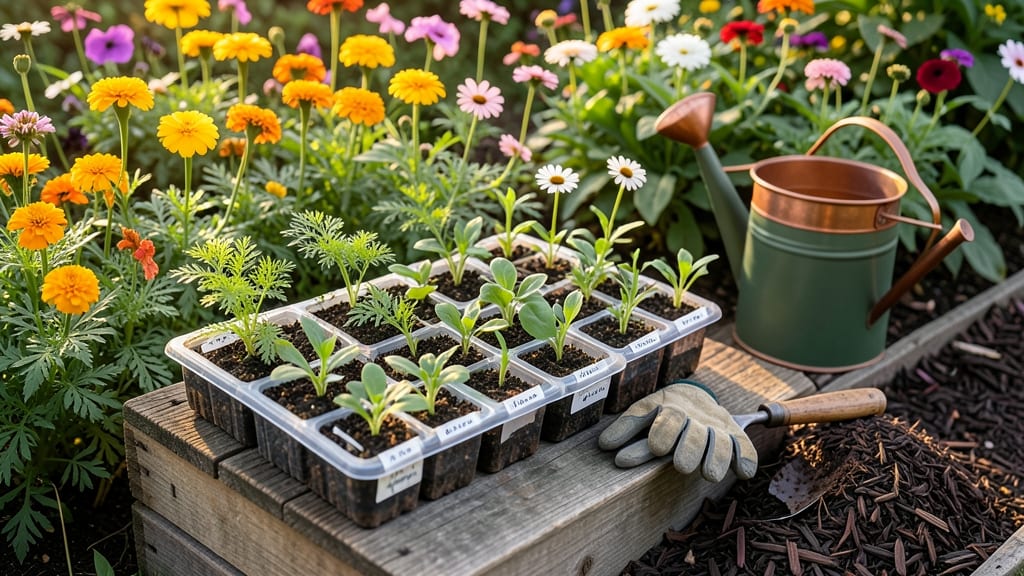
Planting annuals in New Jersey at the wrong time can mean the difference between a garden bursting with color and one that fades before summer even arrives. With USDA Zones 6b-7a bringing unpredictable spring weather, timing is everything for those vibrant blooms you’ve been dreaming of.
I’ve learned the hard way that rushing annuals into the ground too early—or waiting too long—can leave your garden struggling.
The key is knowing when the soil warms up and the last frost has passed, usually between mid-April and early June, depending on whether you’re planting cool-season or heat-loving varieties.
In this guide, I’ll break down the exact windows for planting everything from petunias to marigolds, so you can avoid common mistakes and extend your garden’s beauty well into fall.
Whether you’re a coastal gardener or inland, these tips will help you beat NJ’s fickle weather and grow a showstopping display.
Ready to transform your garden? Let’s dive into the perfect planting schedule so you can enjoy bold blooms all season long without the guesswork.
New Jersey annual planting calendar: exact weeks for frost-free success
New Jersey’s USDA Zones 6b-7a create a unique challenge for gardeners—cool coastal breezes in the north clash with warmer inland summers in the south. To avoid frost damage or wilted plants from summer heat, timing is everything.
I’ve mapped out the exact weeks to plant cool-season and warm-season annuals based on last frost dates (April 15 for North NJ, May 1 for South NJ) and first frost dates (October 15-30).
For cool-season annuals like lettuce and pansies, you’ll want to start 4-6 weeks before the last frost—usually by mid-March in South Jersey and late March in North Jersey.
These plants thrive in 50-65°F soil and can handle light frosts, making them perfect for early spring or fall planting. Warm-season annuals, like tomatoes and marigolds, need to wait until 2 weeks after the last frost (around May 15-30) when soil temps hit 60°F+.
Here’s the visual planting timeline you need to bookmark. It breaks down exact weeks for direct sowing vs. transplanting, plus hardiness notes for your favorite annuals. Pro tip: Use row covers to extend the season for heat-sensitive plants like basil or coleus.
| Plant Type | North NJ (Zone 6b) | South NJ (Zone 7a) | Sun Needs | Notes |
|---|---|---|---|---|
| Cool-Season Flowers | Mar 15-Apr 15 (direct sow) | Mar 1-Apr 1 (direct sow) | Full sun to part shade | Pansies, snapdragons, sweet peas |
| Cool-Season Veggies | Mar 20-Apr 30 (transplant) | Mar 10-Apr 15 (transplant) | Full sun | Lettuce, spinach, kale, peas |
| Warm-Season Flowers | May 15-Jun 1 (transplant) | May 1-Apr 20 (transplant) | Full sun | Marigolds, zinnias, cosmos, petunias |
| Warm-Season Veggies | May 1-Apr 15 (direct sow) | Apr 20-May 10 (direct sow) | Full sun | Tomatoes, peppers, cucumbers, basil |
| Fall Planting (All) | Aug 15-Sep 15 (transplant) | Aug 1-Sep 10 (transplant) | Varies by plant | Begonias, asters, bush beans |
For herbs like cilantro and dill, which bolt in heat, I recommend succession planting every 2-3 weeks from mid-April to early June. These cool-loving herbs will reward you with flavorful leaves before summer’s intensity sets in.
If you’re growing heat-loving herbs like basil or oregano, wait until after Memorial Day (around May 25) to transplant them outdoors.
One of my biggest mistakes early on was planting tomato seedlings too soon—even with row covers, the cold soil stunted their growth. Now, I use a soil thermometer to confirm 60°F+ soil temps before transplanting warm-season crops.
For North Jersey gardeners, this often means waiting until late May, while South Jersey can start 2 weeks earlier.
Don’t forget about fall planting! Many annuals, like cosmos
How to adjust planting times for NJ’s microclimates and unpredictable weather
New Jersey’s coastal areas and inland regions can feel like entirely different gardens, with cooler maritime breezes near the shore delaying spring and warmer inland zones baking soil faster. I’ve seen zinnias thrive in one backyard while wilting just a mile away—all because of these microclimates.
The key is adjusting your planting timeline based on your exact location and using tools to protect tender plants.
Even after checking the average last frost date (usually April 15-30 for most of NJ), you’ll still face surprises. A late frost in May can turn your petunias into crispy snacks overnight.
That’s why I’ve developed a simple risk assessment system to help you decide when to plant, whether you’re in Zone 6b or Zone 7a.
🚨
⚠️ Late Frost Risk Zones in NJ
Coastal Areas (e.g., Cape May, Atlantic City): Wait until May 10-20 for heat-lovers like marigolds and geraniums. Use row covers to extend early planting.
Inland Areas (e.g., Trenton, Newark): Soil warms faster—plant warm-season annuals by April 20-30 if no frost risk. Monitor NJ State Climate Office alerts.
Mountain Regions (e.g., High Point): Delay until May 15 minimum. Cold frames are your best friend for early starts.
For heat-tolerant varieties like lantana or salvia, I recommend starting seeds indoors 6-8 weeks before your target outdoor date. This gives you a head start if Mother Nature decides to play tricks.
If you’re planting directly outdoors, wait until the soil reaches 60°F+—a simple soil thermometer tells the real story, not just the air temperature.
Another trick I swear by is succession planting with fast growers like cosmos or bachelor’s buttons. Start a new batch every 2-3 weeks from May through July. This ensures continuous blooms even if the first wave gets hit by a late frost or early heatwave.
Pair this with drip irrigation to keep roots consistently moist without overwatering.
Don’t forget about shade cloth for high-heat areas. Inland NJ can hit 90°F+ by July, and delicate annuals like impatiens will bolt if stressed. A 30-50% shade cloth buys you extra weeks of vibrant color.
I’ve kept my begonias thriving until October using this simple trick in my Zone 7a garden.
Finally, keep a planting journal for at least two years. Note when you plant, any frost dates, and how long your annuals bloom. Over time, you’ll spot patterns—like how your Zone 6b garden might support tropical annuals one year but not the next.
This local data becomes your secret weapon against NJ’s unpredictable weather. With these adjustments, your garden will outperform the neighbors’—no matter what the forecast says! 🌿