
Plants
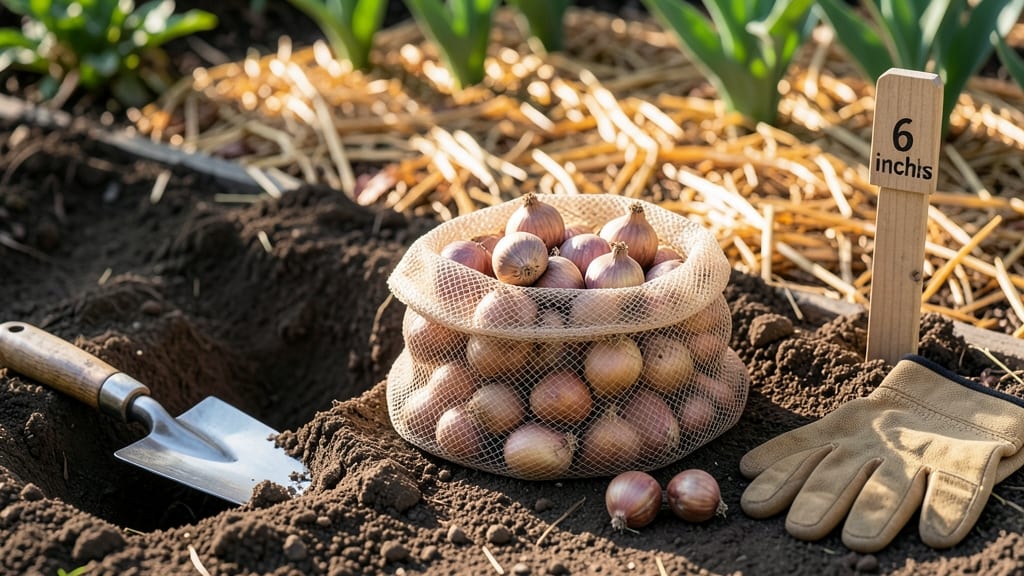
Planting tulip bulbs at the wrong time in New Jersey can mean the difference between a stunning spring display and a disappointing flop. The key to vibrant blooms starts in fall, when the ground stays warm enough for roots to establish but cold enough to protect them through winter.
In USDA Zone 6a-7a, timing is everything—too early, and bulbs may sprout before frost; too late, and they won’t root deeply enough to survive. I’ve learned the hard way that October to November is your sweet spot, but there’s more to it than just picking a month.
Let’s break down exactly when, why, and how to plant for that showstopping 🌷 show next spring.
You might think all tulips thrive the same way, but New Jersey’s climate throws a few curveballs—like heavy clay soil or unpredictable frosts. The right preparation makes all the difference, from soil prep to bulb depth.
I’ll share my foolproof method for ensuring your tulips not only survive but thrive in your garden.
Whether you’re a seasoned gardener or just starting, getting this step right means fewer headaches and more time admiring those April-May blooms. Ready to set your garden up for success? Let’s get those bulbs in the ground the right way.
Best planting months for tulip bulbs in New Jersey (Zone 6a)
Timing is everything when planting tulip bulbs in New Jersey's Zone 6a. Unlike many plants, tulips need a cold dormancy period to bloom vibrantly next spring. In NJ, the optimal planting window is between October and November, when soil temperatures drop but before the ground freezes solid.
Planting too early or too late can result in weak blooms or even bulb rot.
New Jersey's first frost typically arrives around mid-November, but this varies yearly. Aim to plant bulbs 4-6 weeks before the ground freezes to give roots time to establish. In Zone 6a, this usually means late September through November, with October being ideal for most gardeners.
Early planting gives bulbs more time to root, leading to stronger stems and bigger blooms.
Here's a quick reference for New Jersey's planting timeline:
| Month | Soil Temp | Best For | Notes |
|---|---|---|---|
| Late September | 50-60°F | Early planting | Good for dwarf varieties; roots establish slowly |
| October | 40-50°F | Ideal window | Perfect balance of root growth and dormancy |
| November | 32-40°F | Late planting | Risk of frost; best for hardy varieties |
| December | Below freezing | Not recommended | Bulbs may rot if soil isn't frozen |
Planting in October gives tulips the best chance to develop strong roots before winter. The soil temperature should be between 40-50°F—cooler than summer but not frozen.
If you plant in late September, bulbs will root more slowly, but this is still acceptable for dwarf varieties that need less time to establish. Avoid planting after mid-November, as the ground may freeze before roots can form.
New Jersey's climate variability means you should always check your local frost dates. In northern NJ (like Zone 6a in Sussex County), frost comes earlier than in southern areas (like Zone 7a in Cape May).
Use the USDA Plant Hardiness Zone Map to confirm your exact zone, then adjust your planting timeline by 1-2 weeks if you're near the zone boundary.
One common mistake is planting tulips too early in August or September. While the soil may be warm, bulbs need cooler temperatures to trigger root growth. Planting too early can cause bulbs to sprout prematurely, making them vulnerable to rot or pests.
The key is to wait until the soil cools naturally—usually by mid-October in most of NJ.
For container gardening in NJ, the same timing applies, but you'll need to move pots to a protected location before winter. Use well-draining potting mix and plant bulbs at the same depth as they would in garden beds.
Containers warm up faster in spring, so you might see tulips bloom 1-2 weeks earlier than in-ground plants.
If you miss the fall window, don't despair—tulip bulbs can be planted in early spring (March-April), but they won't bloom until the following year.
This method is less reliable for consistent blooms, but it's a good option if you forget or if you're adding bulbs to a new garden bed. Just be prepared for smaller, less vibrant flowers the first year.
Remember, the healthier the roots before winter, the more spectacular the blooms will be next spring. With the right timing, your New Jersey garden can burst into color with tulips in April or May, long before other spring flowers make their appearance. 🌷
How to prepare New Jersey soil for tulip bulbs before planting
New Jersey's clay-heavy soils or sandy patches can make or break your tulip planting success. While timing matters, soil preparation is equally critical—especially in Zone 6a where winters can be harsh. I’ve learned that amending soil before planting ensures bulbs get the nutrients and drainage they need to thrive.
The right prep transforms heavy clay into a well-aerated growing medium and prevents waterlogged roots that lead to rot.
Start by testing your soil’s drainage and pH. Tulips prefer a neutral to slightly acidic pH (6.0-7.0) and soil that drains well but retains moisture. In NJ, many gardens struggle with compacted clay, which can suffocate bulb roots.
A simple percolation test—pouring water into a hole and measuring how quickly it drains—will tell you if your soil needs sand or organic matter to improve drainage.
⚠️ WARNING: Common Mistake in NJ Gardens ⚠️
Planting tulips in unamended clay soil without proper drainage leads to rotten bulbs and weak blooms. Even if you plant at the right time, poor soil can undo all your efforts. Test and amend first!
For clay soil, mix in 2-3 inches of compost or well-rotted manure before planting. This improves aeration and nutrient availability. If your soil is sandy, add peanut hulls or coconut coir to help retain moisture.
Work these amendments into the top 12 inches of soil, where most of the bulb’s roots will grow. A bulb-specific fertilizer (high in phosphorus) can also give your tulips a nutrient boost before winter.
Next, focus on layering techniques for bulbs. In NJ’s colder zones, planting bulbs in layers maximizes space and ensures a longer bloom season. After planting your first layer of bulbs (about 6 inches deep), add a 2-inch layer of compost, then plant a second layer.
Top with mulch (straw or shredded leaves) to insulate bulbs through winter. This method works especially well for container gardens or small spaces.
Don’t forget to adjust the planting depth based on your soil type. In sandy soil, plant bulbs slightly deeper (7-8 inches) to retain moisture, while in clay soil, a shallower depth (5-6 inches) prevents waterlogging.
Use a trowel or bulb planter to create holes just wide enough to fit the bulb, then cover with soil and water gently to settle it.
Finally, protect your newly planted bulbs with a 3-4 inch layer of mulch. This helps regulate soil temperature, retains moisture, and prevents soil heaving during freeze-thaw cycles—a common issue in NJ winters.
Choose organic mulch like straw or shredded leaves, and avoid plastic or synthetic materials that can trap too much moisture. With the right soil prep, your tulips will develop strong roots and reward you with vibrant blooms next spring. 🌷