
Plants
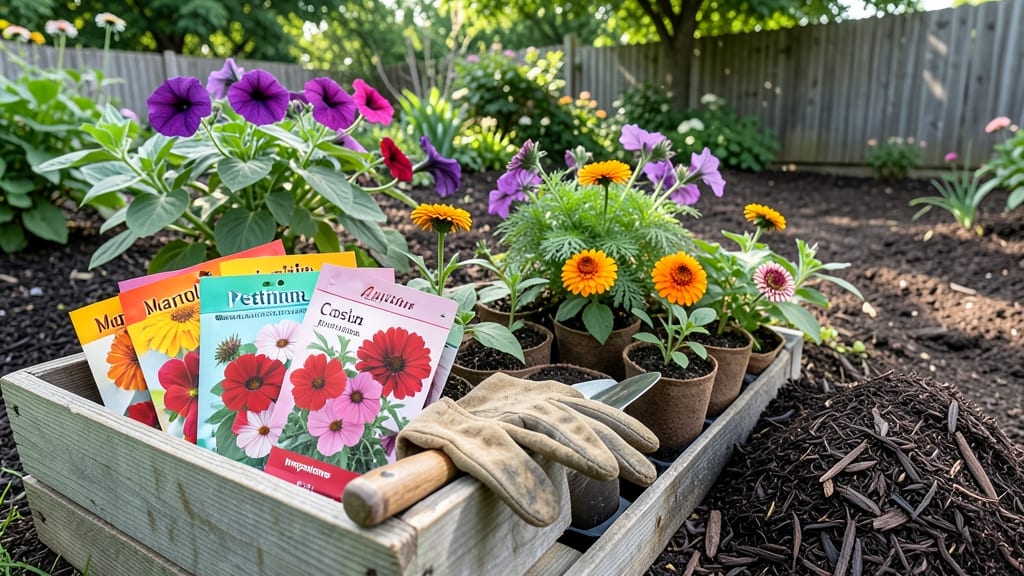
Planting your 🌸 annuals at the wrong time in Ohio can mean the difference between a vibrant garden and a sad pile of frost-killed seedlings. The key isn’t just waiting for spring—it’s understanding your zone’s last frost date and how microclimates shift planting windows across the state.
Ohio’s 6a zone gives you two prime chances to plant: after the last frost (usually mid-April to early May) or 4-6 weeks before the first frost (late July to mid-August). But here’s the catch—northern Ohio’s chill lingers longer than southern Ohio’s warmth, so timing matters more than you’d think.
I’ll break down exactly when to plant cool-season 🌸 annuals like pansies versus heat-lovers like marigolds, plus how to prep your soil for success. No more guessing—just a clear, zone-specific roadmap to maximize your blooms all season long.
Ready to turn your Ohio garden into a year-round showstopper? Let’s get those seeds in the ground at the perfect moment.
Ohio frost dates by zone: exact planting windows for annuals
Ohio’s USDA zones 5b-6a create dramatic differences in frost timing—Northern Ohio (like Cleveland) averages 2-3 weeks later for last frost than Southern Ohio (like Cincinnati).
For cool-season annuals like pansies or lettuce, this means planting 4-6 weeks before your expected last frost, while warm-season plants like marigolds need soil at 60°F+ and frost-free nights.
My garden in Zone 6a (Columbus) typically sees its last frost between April 15-22, but Northern Ohio can wait until May 1-10. First frosts arrive October 15-30, with Southern Ohio holding off until November 1.
These dates shift yearly—track your local station or use Almanac’s frost calculator for precision.
Cool-season annuals (pansies, snapdragons, spinach) thrive when planted 4-6 weeks before last frost. In Zone 5b, that’s March 15-April 1; in Zone 6a, March 30-April 15. Warm-season plants (tomatoes, petunias, basil) must wait until 2 weeks after last frost—May 1-15 in most of Ohio.
🌱
For extended-season gardening, I plant heat-loving annuals like zinnias or cosmos in late July (6 weeks before first frost) for fall blooms. Basil and tomatoes can also get a second planting in early August for harvests until October—just use black plastic mulch to warm soil faster.
Microclimates matter! South-facing slopes warm up 1-2 weeks earlier than valleys, while urban areas (like Columbus) can be 5°F warmer than rural zones. Test soil temperature with a thermometer—warm-season plants need 60°F+ for 7 consecutive days before planting.
My biggest mistake? Planting marigolds in early May only to see late frost hit on May 12. Now I wait until May 20 and use frost cloth for 24 hours if temps dip. Pansies, though, handle light frosts—they’ll bounce back if not blackened.
🌻
Need a quick reference? Bookmark these Ohio-specific rules:
- Cool-season annuals: Plant 4-6 weeks before last frost (March-April).
- Warm-season annuals: Wait until 2 weeks after last frost (May).
- Extended fall: Start late July for heat-tolerant varieties.
- Soil temp: 60°F+ for warm-season plants.
🌱
Pro tip: Label your plants with planting dates—I use popsicle sticks to track maturity timelines. This helps me rotate crops and avoid planting too late for short-season annuals like bush beans (only 60 days to harvest!).
How to adjust planting times for Ohio’s unpredictable weather
Ohio’s weather can throw a curveball—one day it’s 60°F and sunny, the next it’s 32°F with frost. To beat the odds, I’ve learned to extend seasons strategically and time transplants wisely.
The key? Flexible planting windows and protective tools that let you push boundaries without risking your plants.
First, I always check the 7-day frost forecast before planting warm-season annuals like tomatoes or peppers. This simple rule helps me avoid late spring frosts that can devastate tender seedlings.
But what if the forecast is unreliable? That’s where season extenders like row covers and cold frames come into play.
🌱 Numbered Highlights: Adjusting Planting Times in Ohio
- 📅 Use the 7-day rule: Wait until the 7-day forecast shows no frost risk before planting warm-season annuals like basil or marigolds.
- 🛡️ Extend spring: Cover cool-season crops (spinach, pansies) with floating row covers to plant 2-3 weeks earlier than usual.
- ☀️ Choose heat-tolerant varieties: Opt for drought-resistant annuals like zinnias or cosmos to handle Ohio’s summer heat waves without wilting.
- 🌡️ Monitor soil temps: Use a soil thermometer—plant warm-season crops only when soil hits 60°F+ for consistency.
- 📆 Fall planting hack: Start cool-season annuals (like kale or snapdragons) 6 weeks before first frost for autumn blooms.
For late frosts, I rely on row covers or cloches to protect young plants. These simple tools can add 4-6°F of warmth, letting me plant marigolds or nasturtiums a full week earlier. Just remember to remove covers during the day to prevent overheating—ventilation matters!
Heat-tolerant annuals are my secret weapon for Ohio’s sweltering summers. Varieties like celosia or portulaca thrive in 90°F+ temps and dry spells that would fry other plants. I also mulch heavily to retain moisture and water deeply in the morning to reduce evaporation.
If you’re transplanting seedlings, wait until nighttime temps stay above 50°F for at least 7 days. This hardening-off period helps roots establish before the real heat arrives. For container gardening, move pots to shadier spots during peak afternoon sun to prevent stress.
Finally, don’t forget fall planting! Starting cool-season annuals in late July gives them time to mature before frost. I’ve had stunning pansies and calendulas blooming straight through November using this trick—just choose fast-maturing varieties for shorter seasons.