
Plants
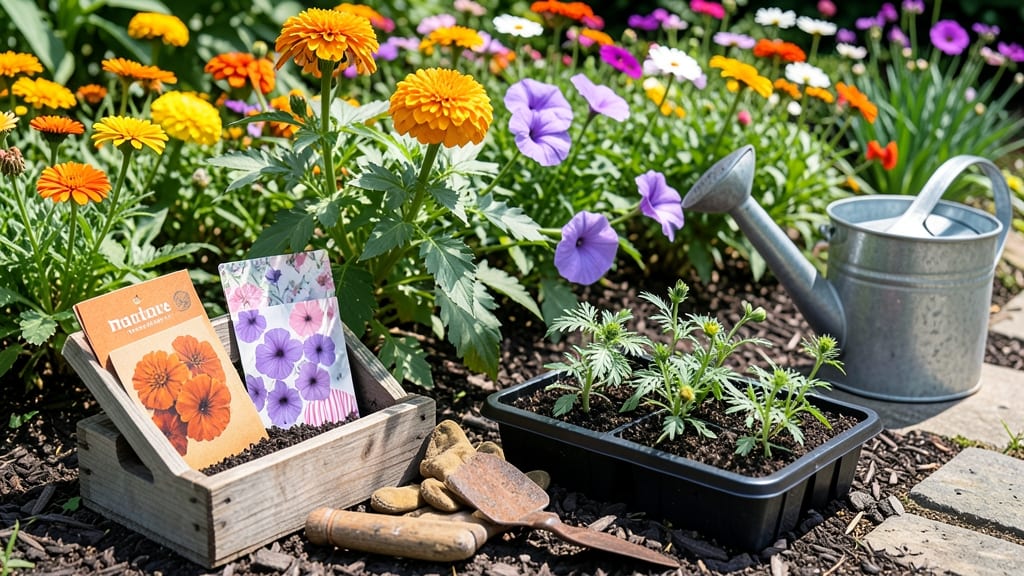
Planting annuals in Pennsylvania at the right time means the difference between a garden bursting with 🌸 vibrant blooms and one that struggles to take off. The key isn’t just waiting for spring—it’s knowing your zone, soil temps, and which varieties thrive in PA’s 5b-7a climate.
Most gardeners in the Keystone State rush to plant too early, only to watch delicate seedlings wilt when frost creeps back.
But with the right timing—April 15 to May 15 for spring varieties and August 1 to September 1 for fall bloomers—you can skip the guesswork and enjoy faster, healthier growth.
Whether you’re sowing seeds indoors or popping in transplants, I’ll break down the exact windows for your zone, plus pro tips for succession planting to keep your garden in full color all season. Let’s get those annuals in the ground the right way.
From heat-loving zinnias to cool-season pansies, you’ll learn which plants to prioritize and how to stretch your blooms from May through October. Ready to transform your garden into a nonstop show?
Pennsylvania planting zones: when to start annuals by USDA zone (5-7)
Pennsylvania’s USDA zones 5-7 create distinct planting windows for annuals, where timing directly impacts bloom success. In zone 5a/b, cooler springs delay planting until after May 1, while zone 7a gardeners can start as early as April 15 for heat-loving varieties.
The key? Matching seed-starting dates to soil temperatures (minimum 60°F) and frost-free averages.
For direct sowing, wait until nighttime temperatures consistently stay above 50°F. In zone 6a, this typically means mid-April to early May, while zone 7a gardeners can plant 2-3 weeks earlier.
Starting seeds indoors (6-8 weeks before last frost) extends options for cool-season annuals like pansies or snapdragons.
Here’s your zone-specific planting guide with frost dates, soil thresholds, and ideal windows for both spring and fall annuals:
| Zone | Last Frost Date | Soil Temp Threshold | Spring Planting Window | Fall Planting Window | Early Varieties | Late Varieties |
|---|---|---|---|---|---|---|
| 5a | May 1 | 60°F | May 15–June 1 | August 15–September 1 | Pansies, Snapdragons | Marigolds, Zinnias |
| 5b | April 25 | 55°F | April 30–May 15 | August 10–September 10 | Sweet Alyssum, Lobelia | Cosmos, Sunflowers |
| 6a | April 15 | 50°F | April 15–May 1 | August 1–August 15 | Petunias, Impatiens | Dahlias, Celosia |
| 7a | April 1 | 50°F | March 20–April 15 | July 15–August 10 | Begonias, Geraniums | Portulaca, Lantana |
In zone 5a/b, where frosts linger until May 1, focus on heat-tolerant annuals like zinnias or cosmos for summer color. Start cool-season varieties (e.g., pansies) indoors by March 1 to transplant after frost.
For zone 7a, you can push the envelope with early spring plantings of petunias or geraniums as soon as soil warms to 50°F.
Fall planting offers a second chance for blooms in Pennsylvania. Aim to sow heat-loving annuals like marigolds or sunflowers by August 1 in zone 7a and August 15 in zone 5a.
These varieties thrive in cool autumn temperatures and often outperform spring plantings by September. Use row covers to extend the season if frost threatens early.
Soil temperature is just as critical as air temperature. Use a soil thermometer to confirm readiness—60°F is ideal for most annuals, while cool-season crops (like lettuce) tolerate 45°F.
In zone 6a, where last frosts vary by 10 days across the state, check your local microclimate (e.g., Pittsburgh vs. Philadelphia) for precise timing.
For succession planting, stagger sowings every 2 weeks to ensure continuous blooms. For example, plant zinnias on May 1, May 15, and June 1 in zone 5b for a 3-month display.
This strategy works especially well for fast-growing annuals like basil or bush beans, which mature in 45–60 days.
Pro tip: Use biodegradable pots for seedlings to avoid transplant shock. In zone
Best annuals for Pennsylvania’s climate and when to plant them
Pennsylvania’s diverse climate—spanning USDA zones 5b to 7a—lets you grow a stunning mix of annual flowers from early spring to late fall. The key? Matching heat-loving bloomers like sunflowers to summer’s warmth while planting cool-season favorites like pansies as frost recedes.
With 165 frost-free days in most regions, timing is everything for vibrant, long-lasting color.
For spring planting, focus on after the last frost (typically mid-April to mid-May), while fall varieties thrive when seeded August to early September. My top picks? Petunias for cascading color, marigolds for pest control, and zinnias for pollinator-friendly blooms.
Each needs slightly different care, but all reward you with months of show-stopping flowers.
- 🌸 Cool-Season Starters (March-April): Plant pansies and snapdragons 4-6 weeks before last frost (late March in zone 5b, early April in zone 7a). These tolerate light frosts and bloom early for spring color.
- ☀️ Heat-Lovers (May-June): Wait until soil temps reach 60°F+ to plant sunflowers, zinnias, and cosmos. These thrive in summer heat and need full sun (6+ hours) for best blooms.
- 🌿 Shade-Tolerant Picks (April-June): Impatiens and begonias love partial shade (4-6 hours sun). Plant after frost in well-draining soil to prevent root rot.
- 🍂 Fall Bloomers (August-September): Seed cosmos and marigolds in late summer for autumn color. These self-seed easily, so deadhead spent blooms to encourage reblooming.
- ⏰ Pro Tip: Use row covers to extend spring plantings by 2-3 weeks in cooler zones (5b-6a). Remove covers when daytime temps hit 70°F+ to avoid overheating.
My go-to annuals for Pennsylvania’s climate balance low-maintenance care with high impact. Marigolds, for example, repel pests naturally while zinnias attract butterflies and bloom nonstop with minimal deadheading. For containers or small spaces, petunias and bacopa spill over edges beautifully, needing only moderate water once established.
Don’t overlook succession planting! Stagger zinnias or cosmos every 2-3 weeks in late spring to ensure continuous blooms until frost. I’ve seen cosmos reseed themselves so aggressively they become perennial-like in mild winters.
For zone 7a, extend the season by planting heat-tolerant varieties like celosia or portulaca in late July for late-summer color.
Remember: Soil temperature matters more than air temperature. Use a soil thermometer to confirm 60°F+ before planting heat-loving annuals. In zone 5b, this often means waiting until mid-May, while zone 7a gardeners can start 2 weeks earlier.
Always water deeply after planting to encourage strong root growth—this is the #1 secret to drought-resistant annuals.
With these timing tricks, your Pennsylvania garden will burst with color from spring pansies to fall marigolds, proving that unpredictable weather doesn’t have to mean missed blooms. Start with 2-3 varieties, master their care, then expand your palette next season—your pollinators will thank you! 🌻