
Companion Plants
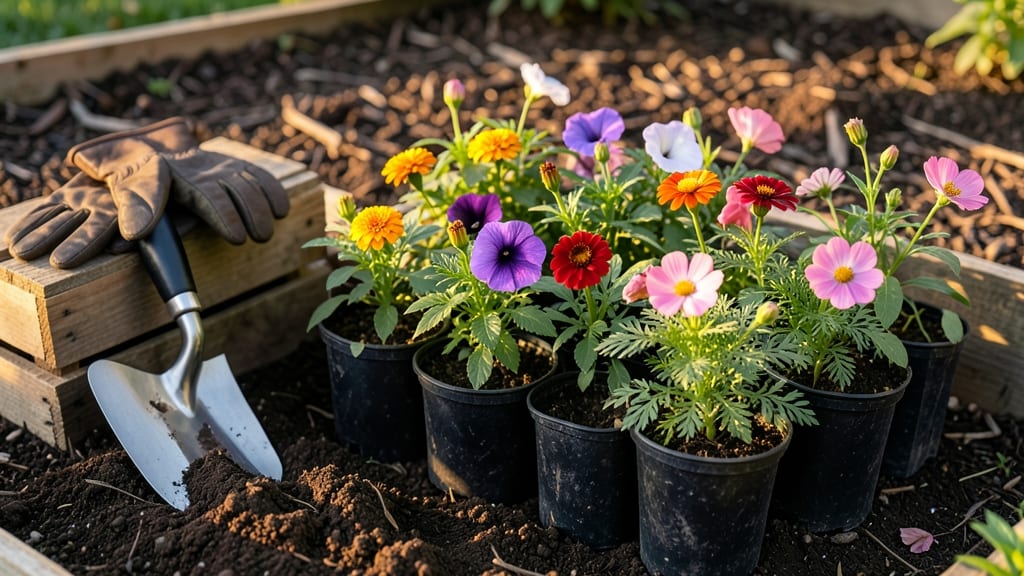
Planting annuals in Zone 7 at the wrong time can mean the difference between a vibrant garden and a sad, frost-bitten disappointment. The key is knowing exactly when to start seeds or transplant seedlings to avoid those late spring freezes that can wipe out your hard work.
I’ve learned the hard way that timing isn’t just about the calendar—it’s about understanding your local frost dates and soil conditions. Whether you’re growing marigolds for color or tomatoes for harvests, getting these details right ensures your 🌱 annuals thrive from spring through fall.
In this guide, I’ll break down the exact weeks before your last frost to plant cool-season and warm-season annuals, plus how to adjust for microclimates. No more guessing—just lush, productive plants all season long.
Ready to transform your garden? Let’s dive into the science-backed planting schedule that works for Zone 7’s unique growing conditions.
Zone 7 last frost dates: exact weeks before planting annuals for peak success
Understanding Zone 7 last frost dates is the key to unlocking a thriving garden. In this region, the average last spring frost typically occurs between March 15 and April 15, while the first fall frost arrives around October 15 to November 15.
These dates create a 180- to 210-day growing season, perfect for planning your annuals with precision.
Your exact frost dates may vary by microclimate, so always check local weather records. For example, urban areas often experience later frosts due to the heat island effect, while high-elevation gardens may see frost 1-2 weeks earlier.
Knowing these nuances helps you adjust planting times for cool-season vs. warm-season annuals.
Here’s the golden rule: Plant cool-season crops like lettuce and pansies 4-6 weeks before your last frost date, while warm-season plants such as tomatoes and marigolds need soil temperatures of 60°F+—usually 2-4 weeks after your last frost. Timing this right means fewer surprises and more blooms!
| Planting Window | Weeks Before Last Frost | Soil Temp Requirement | Example Annuals |
|---|---|---|---|
| Early Spring (Cool-Season) | 4-6 weeks | 45-55°F | Lettuce, Spinach, Pansies |
| Late Spring (Warm-Season) | 2-4 weeks after last frost | 60°F+ | Tomatoes, Peppers, Marigolds |
| Fall (Cool-Season) | 6-8 weeks before first frost | 50-60°F | Kale, Radishes, Snapdragons |
| Succession Planting (Warm-Season) | Every 2-3 weeks | 60°F+ | Bush Beans, Zinnias, Basil |
For cool-season annuals, start seeds indoors 6-8 weeks before your last frost date. This gives seedlings a head start, especially for slow growers like broccoli or cabbage. Harden them off for 1-2 weeks before transplanting outdoors when soil temps hit 45°F+.
Warm-season annuals, however, need consistent warmth. Wait until nighttime temps stay above 50°F before planting. Use row covers or black plastic mulch to warm soil faster if needed. This trick can shave off 1-2 weeks of waiting time for heat-loving plants like peppers.
Don’t forget about fall planting! Many annuals thrive in cooler weather. Plant 6-8 weeks before your first frost for a second harvest of greens or flowers. For example, kale and pansies often taste sweeter after a light frost, making fall one of my favorite planting windows.
Use frost-sensitive annuals like geraniums or impatiens as your canary in the coal mine. If they wilt overnight, it’s a sign frost is coming—time to bring them indoors or cover them. This simple trick saves money and heartache every season.
Pro tip: Bookmark your local Cooperative Extension Service frost date maps. They provide hyperlocal adjustments based on recent weather patterns. For example, 2023 saw later frosts in many Zone 7 areas, so relying on averages alone could mean missed planting windows.
Finally, soil temperature matters more than air temperature. Use a soil thermometer to confirm readiness—60°F+ for warm-season crops and 50°F+ for cool-season ones. This small investment prevents stunted growth or failed germination, ensuring your annuals thrive from day one.
With these Zone 7 frost date guidelines, you’ll plant with confidence, avoid common pitfalls, and enjoy a garden bursting with color and flavor all season long. Happy planting! 🌱
Best annuals to plant in Zone 7 by season: cool vs. warm-loving varieties
Zone 7's moderate climate lets you grow a stunning variety of annuals year-round, but knowing which thrive in cool vs. warm seasons is key. Cool-loving plants like lettuce and pansies handle spring and fall's chill, while tomatoes and marigolds need summer's warmth to shine.
Let's break down the best picks for each season and how to stagger plantings for continuous harvests.
For spring planting, focus on cool-season crops like broccoli and snapdragons. These plants tolerate light frosts and even prefer cooler temperatures to prevent bolting. In late summer/fall, switch to warm-season favorites such as sunflowers and basil, which need consistent warmth to thrive.
The trick? Succession planting—sowing seeds every 2-3 weeks—to keep your garden productive.
🌱 Numbered Highlights: Planting Windows for Zone 7 Annuals
- 🌱 Early Spring (Feb-Mar): Cool-loving lettuce, peas, and pansies—plant 6-8 weeks before last frost (typically mid-March).
- 🌿 Late Spring (Apr-May): Warm-season tomatoes, peppers, and zinnias—wait until soil reaches 60°F+ (usually mid-April).
- ☀️ Summer (Jun-Jul): Heat-tolerant marigolds, okra, and sweet potatoes—plant after last frost (late May) for peak summer blooms.
- 🌼 Fall (Aug-Sep): Cool-season kale, radishes, and cosmos—sow 8-10 weeks before first frost (early September) for winter color.
Pro tip: Use row covers to extend the growing season for cool-season crops in early spring or shade cloth to protect warm-season plants from late summer heat.
For example, basil bolts quickly in 90°F+ temps, so provide afternoon shade in July. Succession planting every 2 weeks ensures a steady supply of bush beans or nasturtiums all season long.
Herbs like cilantro and dill are cool-season stars but bolt in heat—sow them in early spring and late summer for two harvests. Meanwhile, warm-season herbs like basil and oregano thrive when planted after the last frost.
For continuous blooms, deadhead petunias and marigolds regularly and replace them with fall mums or asters by mid-August.
Don’t forget container gardening! Many annuals, like cherry tomatoes and strawberries, grow beautifully in pots. Move containers indoors or under cover before the first frost to protect tender plants and extend their season.
With these strategies, your Zone 7 garden can burst with color and productivity from spring to fall.
Start with one or two varieties per season to avoid overwhelm, then expand as you master the timing. Happy planting! 🌻