
Plants
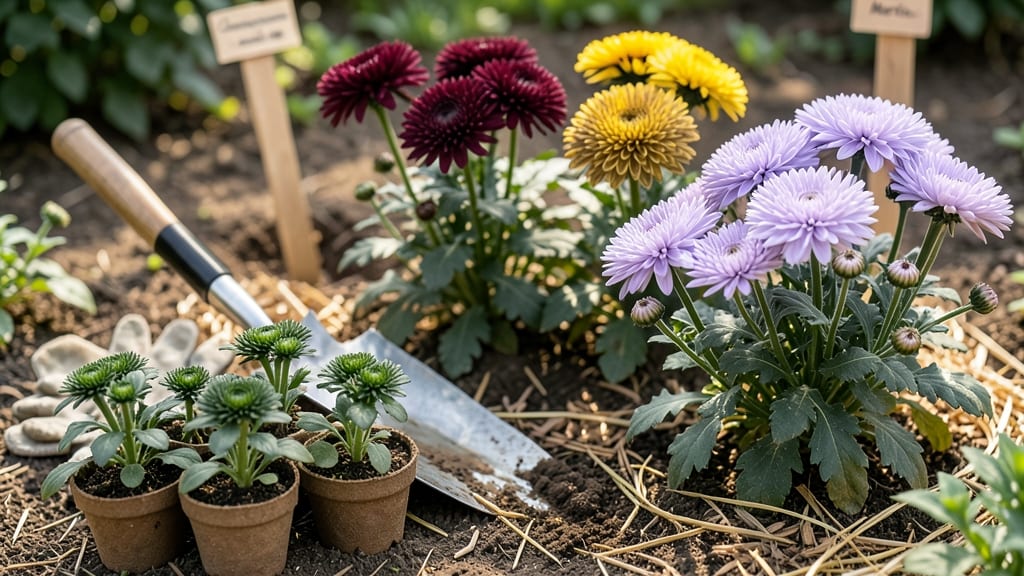
Planting your Fall Mums 🌼 in the ground at the wrong time can turn your dream garden into a sad, wilted mess—but getting the timing right means vibrant blooms that last until frost.
The key is planting them 4-6 weeks before your first frost, when soil temps are just right and the days are still warm enough for root growth.
If you plant too early, your mums might bolt (shoot up flower stems prematurely) or struggle in hot soil. Too late, and they won’t establish strong roots before winter sets in.
For USDA Zone 6a, that means aiming for late summer to early fall—typically between July and September—but the exact window depends on your local climate.
I’ve learned the hard way that rushing or waiting too long can mean fewer blooms and weaker plants. Whether you’re in a cooler northern region or a warmer southern zone, the right timing ensures your mums thrive and put on a show all season long.
Let’s break down exactly how to time it perfectly for your garden.
From checking soil temperatures to adjusting for early or late frosts, these tricks will help you avoid common mistakes and get the most stunning, long-lasting Fall Mums 🌼 in your yard. Ready to transform your garden into a fall masterpiece?
The perfect soil temperature & frost-free window for planting fall mums
Fall mums (chrysanthemums) thrive when planted at the right time—4 to 6 weeks before your first frost date. This window ensures they establish strong roots while still producing vibrant blooms until winter.
The key factors? Soil temperature between 55–65°F and enough frost-free days remaining for root growth. Get this wrong, and you’ll end up with leggy stems or early dormancy.
Your USDA hardiness zone dictates the exact timing. For example, gardeners in Zone 3 (cold climates) should plant in late July, while those in Zone 10 (mild winters) can wait until early October.
The goal is to give mums 6–8 weeks of warm soil before temperatures dip below freezing. Too early, and they’ll bolt (send up flower stems prematurely); too late, and they won’t bloom well.
Here’s how to check your readiness: Use a soil thermometer to confirm temps are in the 55–65°F range. If your soil is cooler, wait a few days—cold soil slows root growth.
Also, consult your local frost-free date (available through the National Oceanic and Atmospheric Administration (NOAA) or your local cooperative extension service). Planting too close to frost risks stunted growth.
Pro tip: If your area has unpredictable fall weather, opt for late July planting in Zones 3–6. In warmer Zones 7–10, early September works best. The rule of thumb? Count backward from your frost date—that’s your planting window.
Why does soil temperature matter so much? Fall mums need active root growth to store energy for next year’s blooms. Soil below 55°F slows microbial activity, while temps above 65°F can stress plants, leading to bolting (premature flowering).
Use a soil thermometer to test depth (6 inches down) for accuracy. If your soil runs cooler, consider black plastic mulch to warm it up 2–3°F faster.
Another critical factor is daylength. Chrysanthemums are short-day plants, meaning they bloom in response to 12–14 hours of daylight. Plant too early (e.g., June), and they’ll bolt before fall colors peak.
Plant too late (e.g., October), and they won’t establish roots before frost. Aim for late summer when days shorten naturally, triggering vibrant fall blooms.
For container-grown mums, adjust timing slightly—containers cool faster. Plant 1–2 weeks earlier than in-ground mums and use heat-retaining pots (like terracotta) to maintain soil warmth. Also, water consistently; containers dry out faster, and stressed plants won’t bloom well. A self-watering planter can help maintain moisture without overwatering.
One last trick: If you’re in a transition zone (e.g., Zone 6b with erratic frosts), err on the earlier side of your window. For example, if your frost date is October 15, plant by September 1 to ensure roots have time to harden off.
Use row covers or mulch to extend the season if needed. The goal is to give your mums enough time to thrive—not just survive.
Remember, fall mums are perennials in Zones 5–9, meaning they’ll return year after year if planted correctly. Prioritize root establishment over early blooms, and your garden will reward you with
How to adjust planting time based on your climate Zone
Your climate zone is the single biggest factor in determining when to plant Fall Mums 🌼 in your ground. Northern gardens face shorter growing seasons, while southern regions can extend planting later into fall.
The goal is always to give your mums 4-6 weeks of warm soil and growing days before the first frost. Let’s break down how to adjust your planting schedule based on where you live.
In northern climates (USDA Zones 3-6), the window is tight—typically between mid-July and early September. If you plant too early, the heat can stress young plants, while late planting risks weak roots before winter.
Southern gardeners (Zones 7-10) have more flexibility, often planting as late as October, but still need to avoid early frosts that can damage tender new growth.
Here’s how I adjust my planting timeline based on my USDA Zone 6a garden, along with tips to extend the blooming season for both early and late varieties:
- 1
- 2
- 3
- 4
- 5
One trick I swear by is planting Fall Mums in stages—start with early varieties in late July and add later bloomers in early September. This creates a continuous color display from early fall right through winter.
Just make sure to space plants 12-24 inches apart (depending on variety) to allow airflow and prevent disease.
For northern gardens, prioritize hardier varieties like 'Polar Bear' or 'Autumn Beauty', which tolerate cooler temps. Southern gardeners can experiment with tropical-looking varieties like 'Medallion' or 'Coca-Cola', which thrive in warmer climates.
Always check the back of the plant tag for specific bloom times—some varieties bloom in early fall, while others wait until October or November.
Finally, don’t forget that Fall Mums are perennials in many zones (like USDA Zones 5-9). With the right timing and care, they’ll return year after year, rewarding you with vibrant blooms and minimal effort.
The key is planting them at the perfect moment—neither too early nor too late—to set them up for success.