
Plants
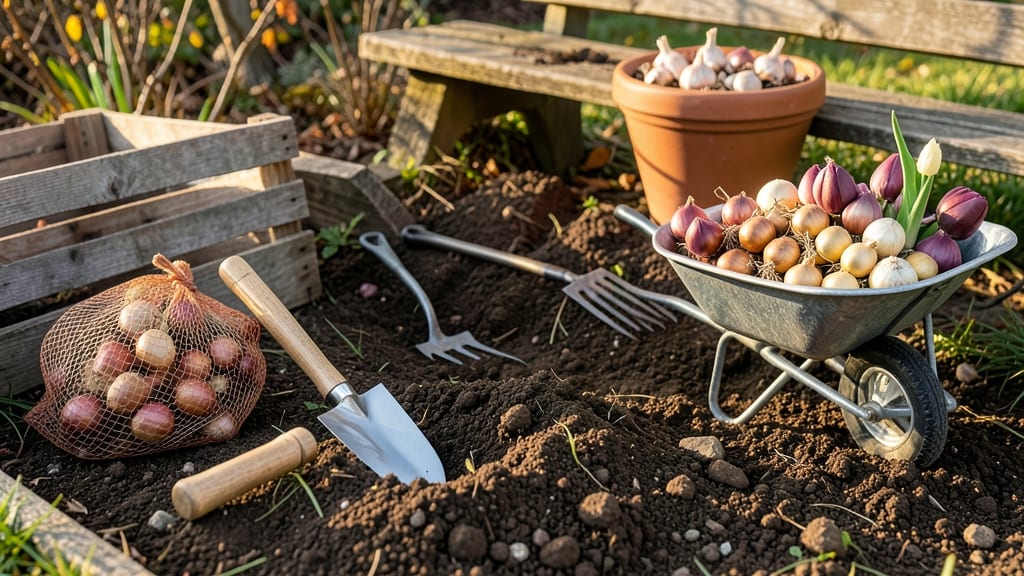
Planting bulbs at the wrong time in fall could mean skipping next spring’s vibrant blooms—tulips, daffodils, and hyacinths all need that precise window to root before frost.
The secret to success? Timing it 6-8 weeks before your first frost, when soil temps drop but the ground stays workable.
In USDA Zone 6a, that usually lands between mid-September and late October—but one week too early or late can throw off your bulbs’ dormancy cycle. Too soon, and they’ll sprout before winter; too late, and frost will damage tender roots.
I’ll show you exactly how to nail this timing, plus how to adjust for early or late falls.
Beyond the calendar, soil prep and bulb types matter just as much. Tulips, for example, prefer cooler soil, while daffodils handle a little warmth better. We’ll break down the critical factors that determine whether your bulbs thrive or rot—including how to check soil readiness and avoid common pitfalls.
Whether you’re a first-time gardener or a seasoned pro, these actionable steps will help you plant with confidence. Let’s get those 🌱 bulbs in the ground the right way—so you can enjoy a burst of color come spring without the guesswork.
Fall bulb planting calendar by USDA hardiness zones
Planting bulbs in the fall guarantees stunning spring blooms, but the exact timing depends on your USDA hardiness zone. In colder zones like 3-5, you’ll need to plant earlier than in milder zones like 8-10.
The golden rule? Plant 6-8 weeks before the first hard frost—this gives bulbs time to root before winter. Let’s break it down by zone so you can plant with confidence.
For zones 3-5, where winters are harsh, aim for mid-September to early October. Soil temperatures should be between 40-50°F—cooler than this, and roots won’t establish properly. In zones 6-7, you have a bit more flexibility, with late September to mid-October being ideal.
Meanwhile, gardeners in zones 8-10 can plant as late as November, since frost is rare or nonexistent.
Here’s your month-by-month guide to planting bulbs in the fall, tailored to your zone and climate:
If you’re in a frost-prone area, like zones 3-6, pay close attention to your average first frost date. For example, in Zone 4, where frost can hit as early as October 15, you’ll want to plant by mid-September.
Use your local cooperative extension service or a frost calendar app to pinpoint the exact date for your region.
For zones 9-10, where frost is rare or nonexistent, you can plant bulbs even into December. However, aim for November to give roots time to establish before summer heat arrives. Bulbs like paperwhites and rain lilies thrive in these warmer zones and can handle the mild winters.
Pro tip: If your fall is unusually warm or dry, adjust your planting timeline. For example, if September stays hot, wait until October to plant in Zone 6 to avoid stressing the bulbs.
Conversely, if an early frost is forecasted, plant as soon as possible—even if it’s late August in colder zones.
Once you’ve planted, mulch lightly with straw or leaves to insulate the soil and protect bulbs from freeze-thaw cycles. This is especially important in zones 3-5, where temperature swings can damage emerging roots.
Remove the mulch in early spring to allow leaves to photosynthesize and feed the bulb for next year’s blooms.
Remember, soil preparation is just as critical as timing. Amend your soil with compost or aged manure to improve drainage, and avoid planting in heavy clay or soggy soil. Well-draining soil prevents rot and ensures bulbs store enough energy for spring blooms.
With the right timing and care, your fall-planted bulbs will reward you with months of vibrant color next spring.
Now that you’ve got your planting schedule locked in, mark your calendar and grab those bulbs—your future spring garden is waiting! 🌷
Critical factors that determine perfect planting timing
Planting bulbs at the right time in fall isn't just about picking a month—it's a science of soil temperatures, frost dates, and bulb types.
Tulips, daffodils, and hyacinths all have different needs, and even a few weeks off can mean the difference between vibrant spring blooms and wasted effort. I’ve learned the hard way that rushing or delaying can leave your bulbs vulnerable to frost heave or rot.
First, check your local frost dates. Most gardeners aim to plant 6-8 weeks before the first hard frost, but this varies wildly—from early September in Zone 9 to late October in Zone 5.
For example, in my Zone 6a garden, I plant tulips by mid-October, while daffodils can handle a later start. The key is ensuring bulbs have time to root before the ground freezes.
Soil temperature is your next clue. Bulbs need the ground to be below 60°F (15°C) but not yet frozen. Use a soil thermometer to check—if it’s consistently below 50°F (10°C), it’s time to plant.
In warmer climates, like Zone 10, you might plant as late as December, but in colder areas, early September is ideal. I always test mine in the late afternoon for accuracy.
Now, let’s talk bulb types. Tulips are frost-sensitive and need early planting, while daffodils and crocuses are hardier and can wait. Hyacinths fall in between—plant them when soil temps drop to 55°F (13°C).
I’ve found that tulips planted after November often fail to bloom, but daffodils planted in December still thrive. Adjust based on what you’re growing!
🌱 5 Critical Timing Factors for Fall Bulbs
- Soil Temperature: Plant when soil is below 60°F (15°C) but not frozen. Use a thermometer to avoid guesswork.
- Frost Dates: Aim for 6-8 weeks before first frost. Check your USDA Zone for exact timing.
- Bulb Type: Tulips need early planting; daffodils can wait. Hyacinths are mid-range—plant when soil hits 55°F (13°C).
- Local Climate: Warmer zones (e.g., Zone 9-10) can plant later; colder zones (e.g., Zone 3-5) must plant earlier.
- Adjust for Early/Late Falls: If fall is unusually warm, plant earlier. If cold snaps arrive early, delay until soil cools.
Don’t forget to adjust for early or late falls. A warm September might trick you into planting too late, while an early frost could force you to rush. I once planted tulips in early November after a heatwave, and they barely survived.
When in doubt, err on the side of earlier planting—bulbs won’t bloom if they’re not rooted deeply enough.
Finally, pay attention to moisture levels after planting. Bulbs need consistent moisture to root but can rot if overwatered. Mulch lightly with straw or leaves to insulate them from frost heave and retain moisture.
I’ve seen bulbs planted in dry soil fail to sprout, while those in evenly moist soil thrive. Balance is key!
With these factors in mind, you’ll nail your fall bulb planting every time. Happy gardening—your spring garden will thank you! 🌷