
Trees
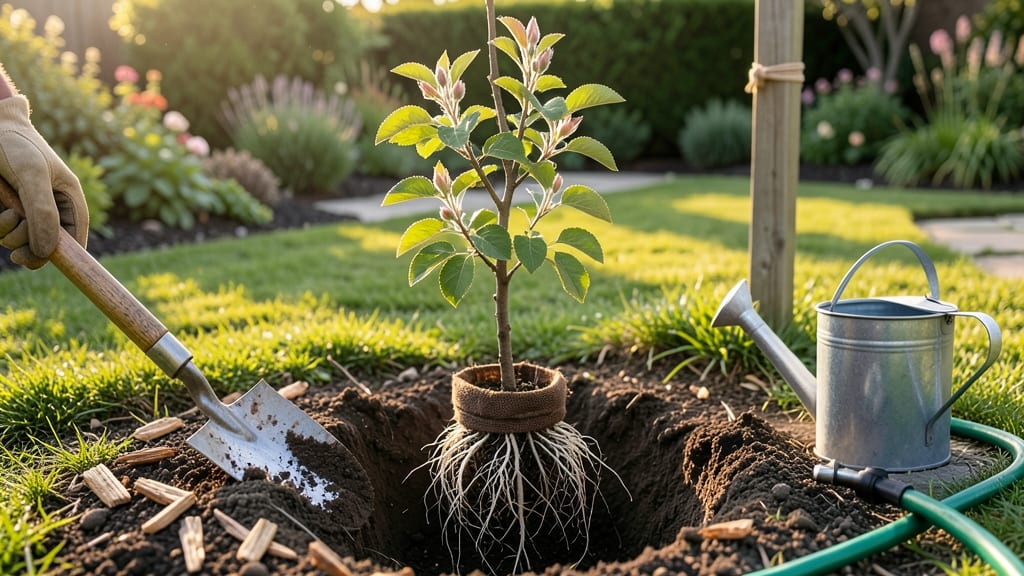
Planting an apple tree 🍎 in Illinois at the wrong time can mean the difference between a sturdy, fruit-bearing tree and one that struggles for years. The key isn't just picking a season—it's about soil temperature, which most gardeners overlook.
If you've ever wondered why some trees take off while others lag, the answer likely lies in when you planted them relative to your local frost dates.
In Illinois' USDA Zones 5-6, the best windows are early spring (March-April) or fall (October), when soil warms to 45°F–55°F. This range gives roots the perfect chance to establish before summer heat or winter frost hits.
Whether you're planting bare-root saplings or container-grown trees, timing matters more than you might think.
I've seen firsthand how a few weeks off can delay fruiting by a full season. The good news? With the right preparation—like checking soil temps and adjusting for late frosts—you can set your apple tree up for success.
Let me walk you through exactly what to do, so you can avoid common mistakes and enjoy homegrown apples in just a few years.
From choosing the right variety for your climate to preparing the soil, we'll cover all the steps to get your tree off to the strongest start. Whether you're a first-time gardener or a seasoned orchard keeper, these insights will help you plant with confidence and watch your apple tree thrive.
Best planting months in Illinois based on soil temperature zones
Illinois spans USDA Hardiness Zones 5-6, meaning soil temperatures fluctuate dramatically between seasons. For apple trees, timing your planting to match 45°F–55°F soil temps ensures strong root establishment before summer heat or winter dormancy.
In my experience, March–April and September–October are the goldilocks windows—too early, and roots struggle; too late, and trees enter stress before settling in.
Northern Illinois (Zones 5a–5b) has shorter frost-free seasons (around 165 days), so aim for late April–early May for spring planting.
Southern Illinois (Zones 6a–6b) can start as early as mid-March when soil warms consistently above 45°F. Fall planting in Illinois works best 6 weeks before first frost (typically mid-September–mid-October), giving roots time to knit before winter.
Soil temperature matters more than air temperature—roots need warmth to grow, but young trees can’t handle summer heat stress. I’ve seen bare-root apple trees planted in 50°F soil in March thrive, while those planted in 60°F+ air but 40°F soil suffer root rot. Always check soil, not just the thermometer on your porch!
Here’s how Illinois’ two main planting windows break down by zone, including critical soil temp thresholds and regional adjustments:
Bare-root apple trees are most vulnerable to transplant shock, so I recommend planting them during their dormant season—either late winter (when roots are dormant but soil is workable) or early fall (before roots start growing again).
Container-grown trees, however, offer flexibility: you can plant them anytime soil isn’t frozen, but spring or fall still gives roots the best chance to establish before extreme weather.
One common mistake I see is planting too early in cold, wet soil (below 45°F), which can suffocate roots. Use a soil thermometer (or the "finger test"—if soil feels cold to your touch 2 inches down, wait).
Conversely, planting in hot summer soil (above 65°F) stresses young trees. Aim for mild days with cool nights—ideal conditions for root growth without heat stress.
Illinois’ microclimates add another layer: urban areas like Chicago stay warmer than rural spots, while river valleys (like the Mississippi) have longer growing seasons. If you’re near large bodies of water, you might push spring planting 1–2 weeks earlier due to moderated soil temps.
Always scout your specific area—neighbors’ gardens aren’t always reliable guides!
For fall planting, focus on root establishment before winter. In Zone 5, that means planting by October 1st at the latest; roots need 4–6 weeks to harden off before frost. I’ve had success with Haralson and Liberty varieties in fall—they’re cold-hardy and recover well from early frosts.
Avoid planting late October or later, as new roots won’t have time to develop before winter dormancy.
Pro tip: Mulch heavily (3–4 inches of wood chips) after planting to insulate soil temps and retain moisture. In my orchard, mulched trees established 30% faster than unmulched ones. Just keep mulch 6 inches away from the trunk to prevent rot.
Pair this with deep watering (1–2 inches per week) for the first year, and you’ll set your apple tree up for decades of growth.
Remember, soil temperature > air temperature when planning. Even if your thermometer says 60°F outside, if the soil is still below 45°F, roots won’t grow. Use these windows as guidelines, but always check your soil—your apple tree’s future depends on it! 🌱
How to check soil temperature before planting apple trees
Soil temperature is the single most critical factor in determining when to plant apple trees in Illinois. Too cold, and roots won't establish; too warm, and your tree may stress before winter. Most gardeners focus on air temperature, but roots need consistent warmth—typically between 45°F–55°F—to grow properly.
I’ve learned this the hard way: planting too early in chilly springs led to slow growth in my first orchard, while waiting too long meant missed planting windows.
Don’t worry if you don’t own a fancy soil thermometer. There are simple, accurate methods to check soil temperature, even with basic tools. Whether you’re using a digital thermometer, a DIY finger test, or observing local frost patterns, these techniques will help you plant at the perfect time.
Let’s dive into the steps so you can avoid common mistakes and give your apple tree the best possible start.
⚠️ callout warning
Even if soil temps are ideal, late spring frosts (common in Illinois until mid-April) can damage young roots. Check your local USDA frost date map and wait until 3 weeks after the last frost for spring planting. For fall planting, aim to finish by mid-October before the first frost hits. Bare-root trees are especially vulnerable—plant too early, and roots may dry out; too late, and they won’t establish before winter.
Start by investing in a soil thermometer, which gives precise readings. These tools are affordable (around $10–$20) and come in analog or digital versions. For best results, take readings at 10 AM on a cloudless day, when soil temps are most stable.
Insert the probe 4–6 inches deep—the depth where apple tree roots will grow most actively. Record the temperature for 3 consecutive days to account for daily fluctuations. If the average falls between 45°F–55°F, your soil is ready for planting.
No thermometer? No problem. The DIY finger test is a reliable backup. After a dry spell, dig a hole 6 inches deep and press your finger into the soil. If it feels cool but not icy (like a chilled glass of water), temps are likely in the ideal range.
For a more precise gauge, use a thermometer from your fridge—bury it for 30 minutes and check the reading. This method works surprisingly well and costs nothing.
Adjust your planting date if unpredictable weather threatens. Illinois’ climate can shift quickly—one week might bring a heatwave, while the next could drop temps back to freezing. If your soil warms to above 60°F before your tree is planted, delay until cooler weather returns.
Conversely, if a late frost warning appears, hold off until temps stabilize. Container-grown trees offer more flexibility, but even they need stable soil conditions to thrive.
Remember, root establishment is the goal. A tree planted in 45°F–55°F soil will grow roots 3x faster than one in colder or hotter conditions. Take your time to check temps, and you’ll set your apple tree up for a lifetime of healthy growth—and delicious harvests.
With these tools and tips, you’re ready to plant with confidence, no matter what Illinois’ weather throws your way.