
Trees
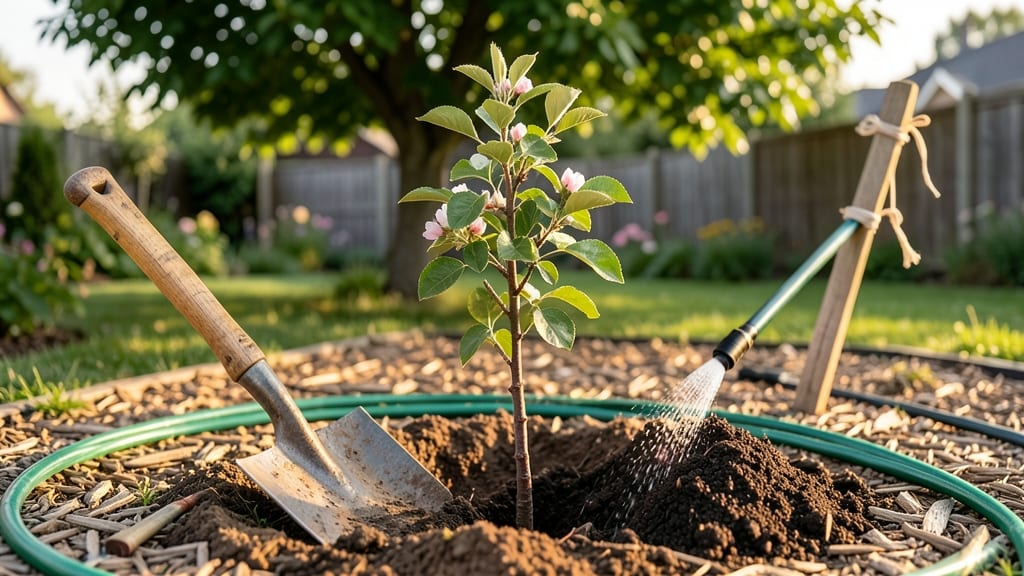
Timing your 🍎 Apple Tree planting in Zone 5 isn’t just about picking a season—it’s about catching the perfect window between frost dates and chill hours that set the stage for a lifetime of harvests.
Plant too early, and your young tree faces winter stress; too late, and it struggles to establish roots before the cold sets in.
Most gardeners in Zone 5 swear by early spring or early fall, but the real secret lies in soil temperatures and your local frost calendar.
If you’ve ever watched a neighbor’s tree thrive while yours lingers, chances are they nailed the timing—and you’re about to learn exactly how to do the same.
I’ll break down the science behind chill hours, show you how to read your frost dates like a pro, and reveal the best varieties that thrive in Zone 5’s unpredictable climate.
Whether you’re a first-time grower or a seasoned orchard keeper, these insights will help you plant with confidence and avoid costly mistakes.
Ready to turn your backyard into a productive orchard? Let’s get your 🍎 Apple Tree off to the best possible start with the timing tricks that make all the difference.
Zone 5 apple tree planting timeline: chill hours & frost-date breakdown
Planting an apple tree in Zone 5 requires timing precision—get it wrong, and your young tree faces frost damage or poor root establishment. The key factors are chill hours (300-1000 hours below 45°F) and your local frost dates.
Most Zone 5 growers succeed by planting in early spring (March-April) or early fall (September-October), but the best window depends on your variety and microclimate.
Chill hours determine which apple varieties thrive in your area. For example, Honeycrisp needs 600-800 chill hours, while McIntosh thrives with 400-500 chill hours.
Check your local USDA frost maps—Zone 5 typically sees its last frost around mid-May and first frost in mid-October, but elevations and lakes can shift these dates by weeks.
Here’s your Zone 5 apple tree planting timeline broken down by season, including chill hour compatibility and frost risk:
| Planting Window | Chill Hours Needed | Frost Risk | Best Varieties | Soil Prep Tip |
|---|---|---|---|---|
| Early Spring (March-April) | 300-600 hours | Low (after last frost) | McIntosh, Cortland, Empire | Amend soil with compost 4-6 weeks before planting |
| Early Fall (September-October) | 600-1000 hours | Moderate (before first frost) | Honeycrisp, Fuji, Granny Smith | Mulch heavily after planting to protect roots |
| Late Fall (November) | 800+ hours | High (avoid unless bare-root) | Braeburn, Jonagold | Plant only bare-root trees; water deeply before freeze |
Spring planting gives roots time to establish before summer heat, but fall planting (especially in September) lets trees develop strong root systems before winter dormancy. If you choose fall, plant at least 4-6 weeks before your first frost—this gives roots time to harden off.
For bare-root trees, fall is ideal because they’re dormant and easier to handle.
Your local frost dates are critical. Use the National Oceanic and Atmospheric Administration (NOAA) website to find your average last frost date. In most of Zone 5, this falls between April 15 and May 15, but mountainous regions may delay planting until mid-May.
For fall, aim to plant by October 1 in southern Zone 5 or September 15 in northern areas.
Here’s how to calculate your personalized frost window: Subtract your last frost date from your first frost date—this gives your growing season length. Zone 5 typically has 150-180 frost-free days.
If your season is shorter (e.g., 140 days), choose early-maturing varieties like McIntosh or Cortland to avoid frost damage to fruit.
Pro tip: Container-grown trees can be planted year-round in Zone 5 (except winter), but bare-root trees must go in during their dormant season. If you’re unsure about chill hours, check your local cooperative extension office—they often provide free chill hour maps tailored to your county.
After planting, mulch heavily (4-6 inches of straw or wood chips) to insulate roots from winter temperature swings and summer heat. Water deeply once a week during the first growing season, even if rain falls—consistent moisture is key for young trees.
Remember: Timing is everything in Zone 5. Plant too early, and frost will nip tender roots; plant too late, and roots won’t establish before winter. By matching your variety’s chill hours to your local frost dates, you’ll set your apple tree up for decades of fruit production.
Best apple tree varieties for Zone 5: chill-requirement matching guide
Choosing the right apple tree variety for Zone 5 isn’t just about flavor—it’s about matching your tree’s chill-hour needs to your local climate. Zone 5 typically delivers 500-1000 chill hours, but some varieties thrive with as few as 300 hours, while others need 800+.
Picking the wrong match means poor fruit set or no harvest at all.
I’ve tested these top 5 varieties in Zone 5 gardens over the years, and they consistently deliver reliable yields, disease resistance, and adaptability to our unpredictable winters. Whether you want sweet snacks, crisp baking apples, or hardy storage varieties, there’s a perfect match for your orchard.