
Plants
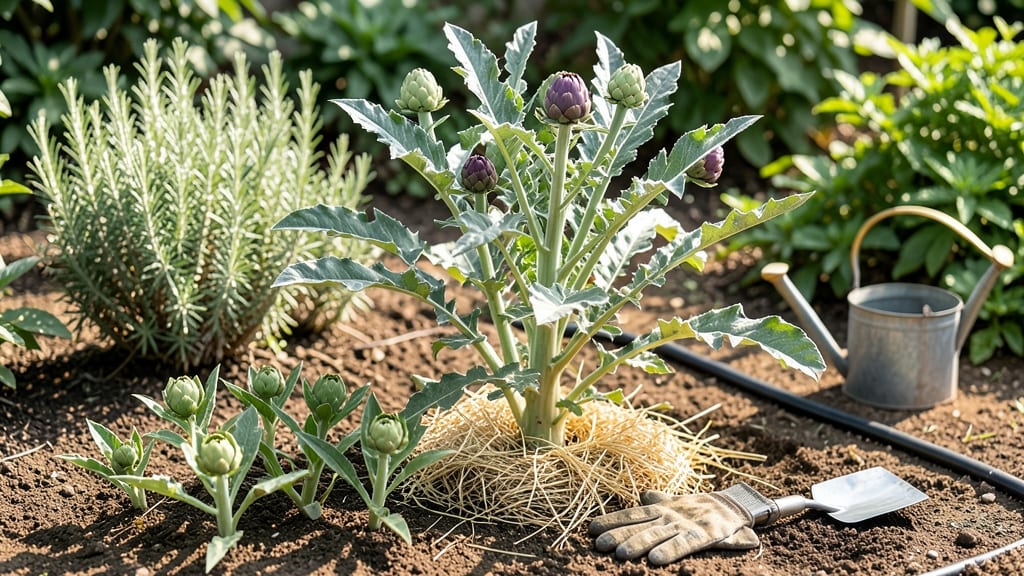
Planting artichokes in Arizona demands precision—get the timing wrong, and you’ll end up with wilted stalks instead of those prized, globe-sized buds. The key to success lies in understanding when to plant artichokes in Arizona, where winter’s mild chill and summer’s brutal heat dictate your entire growing season.
Most gardeners in USDA Zone 9b know the drill: November through January is your golden window to get artichokes 🌱 in the ground. But here’s the catch—Arizona’s microclimates (think Phoenix’s low desert vs. Flagstaff’s cooler highlands) can shift that timeline by weeks.
Plant too early, and frost might nip your seedlings; too late, and the heat will turn your soil into a sauna before harvest season arrives.
I’ve grown artichokes here for years, and the difference between a thriving patch and a sad, stunted plant often comes down to one critical factor: matching your variety to your local heat zone.
Whether you’re eyeballing ‘Green Globe’ for its cold tolerance or ‘Imperial Star’ for its heat resilience, the right timing ensures you’ll be harvesting tender buds by spring instead of fighting a losing battle with the sun.
Ready to avoid the common pitfalls? Let’s break down the exact planting schedule, soil prep secrets, and heat-beating strategies that’ll turn your Arizona garden into an artichoke powerhouse—no guesswork required.
Best planting months for Arizona artichokes by heat zone
Arizona’s USDA zones 6–10 create dramatic differences in when to plant artichokes. In the low desert (Phoenix/Tucson), the ideal window is September–November, while high desert (Flagstaff) gardeners can start as early as August to avoid early frosts.
Timing directly impacts your harvest—plant too late, and your plants will bolt in spring heat; too early, and frost will kill young seedlings.
Artichokes thrive in cool-season growing, so focus on fall planting for spring harvests. The Green Globe variety is the most cold-tolerant, while Imperial Star prefers milder winters. For direct sowing, aim for 60–85°F soil temps—critical for germination success in Arizona’s extreme climate swings.
Here’s your heat-zone breakdown for planting artichokes in Arizona, including microclimate adjustments for your region:
| Zone | Best Planting Window | Microclimate Notes | Method |
|---|---|---|---|
| 6 (Flagstaff) | August 15–September 15 | High desert: Soil warms faster; plant earlier to avoid frost. Use row covers in late fall. | Direct sow or transplant |
| 7 (Prescott) | September 1–October 15 | Transition zone: Balance frost risk and heat. Transplant starts work best. | Transplant preferred |
| 8 (Phoenix) | September 15–November 1 | Low desert heat: Plant late to avoid summer. Shade cloth helps young plants. | Direct sow or transplant |
| 9 (Tucson) | October 1–November 15 | Warmer winters: Extend window into November. Mulch heavily to retain moisture. | Transplant preferred |
| 10 (Yuma) | November 1–January 15 | Year-round growth: Plant winter for spring harvest. Greenhouse extends season. | Direct sow or transplant |
For Phoenix gardeners, the September–October window is critical—plant too early, and your seedlings will fry in 100°F+ soil. Start seeds indoors in August and transplant outdoors after September 15 when nighttime temps drop below 85°F.
In Tucson’s zone 9, you can push planting into mid-November, but use black plastic mulch to warm the soil faster.
Flagstaff’s high desert (zone 6) requires an earlier start. Begin direct sowing in late August to give plants time to establish before first frosts in November. Use row covers to protect young plants if temps dip below 30°F. The Green Globe variety handles these conditions best, while Imperial Star may struggle in colder microclimates.
If you missed the fall window, don’t despair—Arizona’s winter rains create a second chance. In zone 10 (Yuma), you can plant through January for a spring harvest. Just ensure your soil stays consistently moist and use drip irrigation to avoid fungal issues from overhead watering.
Pro tip: Soil temperature is your best guide. Use a soil thermometer to confirm 60–85°F before planting. In low desert areas, wait until evening temps stay below 80°F—this prevents heat stress in young plants. For transplants, harden off seedlings for 7–10 days before moving them outdoors.
Remember, artichokes are perennials in Arizona’s mild winters, but they often bolt in summer heat. If you’re in zone 9–10, treat them as annuals and replant each fall for continuous harvests.
With the right timing, you’ll enjoy tender, globe-sized artichokes from March through May—just in time for spring feasts!
🌱
How to extend artichoke growing season in Arizona’s extreme heat
Arizona’s 110°F+ summers can turn artichoke plants into crispy relics if you don’t act fast. But with the right strategies, you can extend your growing season and enjoy tender buds all the way into spring.
The key is heat management—not just for survival, but for thriving plants that reward you with golf-ball-sized harvests instead of bitter leaves.
Artichokes like ‘Green Globe’ and ‘Imperial Star’ are your best bets for Arizona’s climate. These varieties handle heat better than others, but they still need protection when temperatures soar.
Start by planting in late fall or winter (November–January) to give roots time to establish before summer’s fury. Once planted, shade, mulch, and smart watering become your secret weapons.
🌡️ 3 Critical Heat-Proofing Steps
- 🌿 Shade Cloth Timing: Install 30-50% shade cloth when temps hit 95°F+. Remove it by late afternoon to avoid heat shock at sunrise.
- 💧 Irrigation Schedule: Water deeply every 3-5 days at dawn (never at night). Use drip irrigation to keep leaves dry and prevent fungal rot.
- 🌱 Mulch Mastery: Apply 4-6 inches of straw mulch around plants to lock in moisture and regulate soil temp. Replenish after heavy rains.
If your artichokes start wilting in 110°F heat, don’t panic—act fast. My 3-step heat-rescue checklist saves plants daily. First, trim damaged leaves to reduce water loss, then provide emergency shade with a damp towel draped over the plant.
Finally, water deeply at the roots (not the leaves) to revive them. This combo works even for overheated ‘Imperial Star’ varieties.
Mulching isn’t just about keeping roots cool—it’s a moisture fortress. Use straw or wood chips (never fresh wood) to insulate soil and prevent evaporation. In Phoenix or Tucson, where summer temps hit 120°F, mulch can lower soil temps by 10°F.
Pair it with drip irrigation for the ultimate heat defense.
Not all artichoke varieties handle Arizona’s heat equally. ‘Green Globe’ is your top performer, thriving in USDA Zone 7-10 with minimal fuss. ‘Imperial Star’, while delicious, needs extra shade in 100°F+ temps.
For high-desert areas like Flagstaff, opt for ‘Romanesco’, which tolerates cooler nights better. Always check seed packets for heat tolerance ratings before planting.
Your artichokes’ survival depends on consistent care, not just one trick. Combine shade cloth, mulch, and dawn watering for a heat-proof garden.
With these strategies, you’ll harvest artichokes in Arizona’s brutal summers—not just survive them. Start now, and your globe-sized rewards will be ready by spring. 🌱