
Vegetables
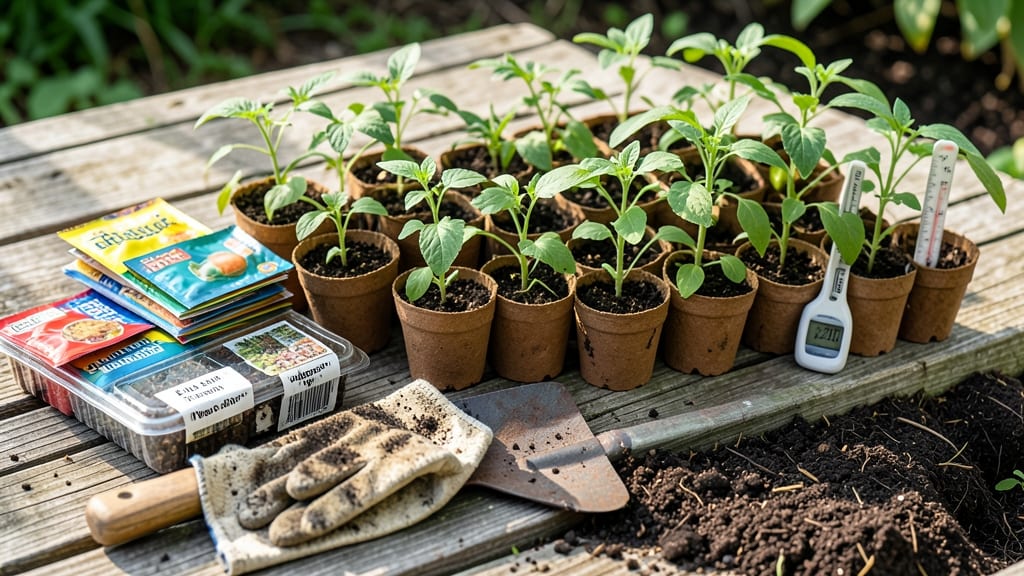
Timing your vegetable planting in Oklahoma isn’t just about following a calendar—it’s about beating the state’s unpredictable spring weather while giving your garden the best shot at success. Whether you're growing frost-sensitive tomatoes or hardy greens, getting it right means the difference between a thriving harvest and wasted effort.
With Oklahoma’s USDA Zones 6-7 and average frost dates ranging from mid-March to mid-April, knowing exactly when to plant each variety is key.
I’ll break down the best months for everything from warm-season crops like peppers and squash to cool-season favorites such as lettuce and broccoli—so you can avoid common mistakes and maximize your garden’s potential.
What you’ll discover here goes beyond generic advice. We’re talking about region-specific adjustments for northern vs. southern Oklahoma, soil prep tips to speed up germination, and even how to extend your growing season with simple tools. Ready to turn your garden dreams into reality? Let’s get started.
No more guessing games—just proven strategies to help your vegetables thrive, no matter where you are in the state. Whether you're a first-time gardener or a seasoned green thumb, these insights will give you the confidence to plant at the perfect time and enjoy a bountiful harvest all season long.
Oklahoma planting calendar: best months by vegetable type for frost-free success
Oklahoma’s USDA Zones 6-7 mean you can grow a year-round garden with careful planning. The key is understanding frost dates—typically March 15 to April 15 for last frost—and matching crops to soil temperatures.
Warm-season plants like tomatoes and peppers need 60°F+ soil, while cool-season crops thrive in 50-60°F ranges.
Southern Oklahoma (Zone 7) enjoys 2-3 extra weeks of growing season compared to northern areas. For example, green beans can go in April in Zone 7 but wait until May in Zone 6.
Always check your local frost data—Oklahoma State University Extension provides county-specific updates that can shift planting by 1-2 weeks.
Here’s your Oklahoma planting calendar broken down by crop type, with ideal months and soil temperature guidelines to maximize yields:
For warm-season crops, wait until soil temperatures consistently hit 60°F—test with a soil thermometer or press your hand into the ground. If it feels warm to the touch, it’s ready for tomatoes or peppers.
Southern Oklahoma gardeners can start 2 weeks earlier than northern areas, so adjust accordingly.
Cool-season crops like broccoli and kale love fall planting in Oklahoma. Seed them in August–September for harvests before first frost. These plants thrive in 50–60°F soil and can even survive light frosts, making them perfect for extended harvests.
Herbs like basil and cilantro are year-round workhorses in Oklahoma. Plant basil after last frost (April–May) and cilantro in fall or early spring to avoid bolting. Radishes are another quick win—sow every 2 weeks from March–October for continuous harvests in just 25–30 days.
Pro tip: Use Oklahoma State University’s frost maps to fine-tune your schedule. For example, Lawton (Zone 7b) can plant squash by April 1, while Tulsa (Zone 7a) waits until April 15.
Always err on the side of waiting for warm-season crops—frost damage is harder to recover from than a delayed start.
Don’t forget succession planting! Crops like lettuce and green beans benefit from weekly sowings to stretch harvests. In Oklahoma, this means March–April for spring lettuce and August–September for fall plantings. Radishes and turnips are ideal for interplanting between slower-growing crops like carrots.
For high-risk crops like melons or corn, use row covers or black plastic mulch to warm soil faster. Oklahoma’s unpredictable spring rains can delay planting, so have backup dates ready. If your May planting gets delayed, opt for fast-maturing varieties like ’Early Girl’ tomatoes (65 days) instead of heirlooms.
Finally, keep a planting journal to track what works in your microclimate. Note soil moisture
How to adjust planting times for Oklahoma’s unpredictable weather patterns
Oklahoma’s weather can shift from freezing nights to 90-degree heat in a single week, making planting timing a real challenge. The key to success lies in flexibility—knowing how to extend your growing season and adjust for unexpected weather.
I’ve learned that using row covers, selecting fast-maturing varieties, and monitoring soil temperatures can save your garden when Mother Nature throws curveballs.
For example, if you plant tomatoes too early in April, a late frost can wipe out your seedlings. But if you wait until May, you might miss the optimal window for a full harvest.
The solution? Start seeds indoors in early March and transplant after the last frost date—typically mid-April in southern Oklahoma and late April in northern regions. This gives you a buffer for those unpredictable swings.
⚠️ callout warning ⚠️
Northern Oklahoma (USDA Zone 6) faces earlier frosts (March 15–April 15), while southern areas (Zone 7) can push planting to mid-April. High-stakes crops like melons and corn need at least 120 frost-free days—plant too early, and you risk losing your entire harvest to a late freeze.
✅ Pro Tip: Use a soil thermometer—warm-season crops (peppers, squash) need soil temps above 60°F to germinate. If temps dip, wait or use black plastic mulch to warm the soil faster.
One of my favorite tricks is using row covers or low tunnels to protect tender seedlings. These simple tools can add 2–4 weeks to your growing season by shielding plants from frost and wind.
For instance, I’ve extended my spinach harvest into early summer by covering it in late winter, then removing the cover once daytime temps stay above 50°F. It’s a game-changer for cool-season crops.
When it comes to high-risk crops like watermelons or corn, I always choose fast-maturing varieties. For example, ‘Sugar Baby’ watermelons mature in 70–80 days, giving them enough time to ripen before Oklahoma’s first frost in October–November.
Check seed packets for days to maturity and count backward from your expected frost date to determine the latest safe planting window.
Don’t forget to harden off seedlings before transplanting, especially if you’re rushing to beat the heat. Gradually expose them to outdoor conditions over 7–10 days to avoid shock.
I also keep a garden journal to track when I plant and how the weather affects growth—this helps me fine-tune my schedule each year.
Finally, stay ahead of the game by signing up for local weather alerts and checking the Oklahoma Mesonet for real-time soil and air temperatures. With these strategies, you’ll turn Oklahoma’s unpredictable weather into an advantage, not a roadblock.
Your garden will thank you with a longer, more productive season! 🌱