
Plants
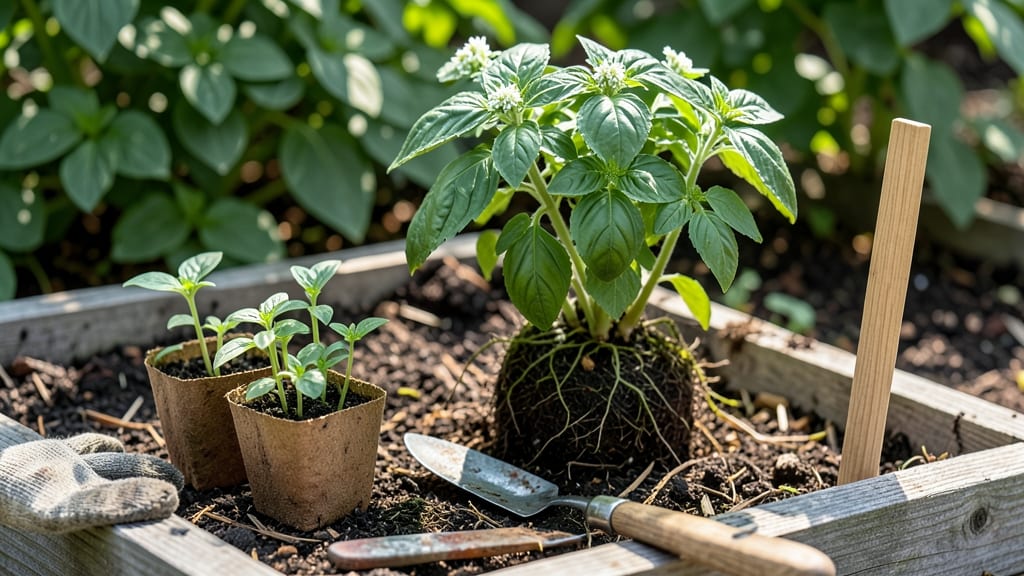
Planting basil at the wrong time in Virginia’s USDA Zone 7a can turn your fresh herb dreams into wilted disappointment—so getting the timing right is the key to lush, flavorful 🌿 harvests all summer long.
Here’s the deal: Virginia’s humid summers and unpredictable spring frost dates mean basil thrives only when planted after the last frost (typically late April to early May), but before the heat of July arrives.
Too early, and your tender seedlings will bolt or rot; too late, and you’ll miss out on months of harvest.
I’ve grown basil in Virginia for years, and the difference between a thriving plant and a sad, leggy one comes down to soil temperature (wait for 50°F+) and picking the right microclimate—whether you’re in coastal Norfolk or inland Roanoke.
Let me walk you through the exact planting window, soil prep secrets, and how to stretch your basil season from June through September—even in Virginia’s tricky climate.
Virginia basil planting calendar: exact dates for USDA Zone 7b success
Virginia’s USDA Zone 7b climate demands precision when planting basil—too early and frost zaps tender seedlings, too late and summer heat stunts growth. The last frost dates vary dramatically across regions, with Richmond averaging April 15, Roanoke around April 22, and Norfolk typically May 1.
Soil temperature must reach 55°F+ for seeds to germinate reliably, a critical threshold often missed in rushed spring plantings.
For direct sowing, wait until late April to early May when nighttime temperatures consistently stay above 50°F. If starting indoors, begin seeds 6-8 weeks before your last frost date—Roanoke gardeners might start by March 15, while Norfolk’s coastal warmth allows March 25 starts.
Transplant seedlings outdoors only after all frost risk has passed, typically mid-May for inland areas and early May near the coast.
| Planting Method | Start Date (Zone 7b) | Transplant Date | Key Climate Factor | Notes |
|---|---|---|---|---|
| Indoor Seed Start | March 15-25 | May 1-15 | Soil 55°F+ | Hardens off seedlings before transplant |
| Direct Sowing | April 20-May 10 | N/A | Night temps 50°F+ | Best for heat-tolerant varieties |
| Transplant Seedlings | April 1-May 1 | May 15-30 | Frost-free guarantee | Use shade cloth first week |
| Fall Planting | August 15-Sept 1 | N/A | Daylength <12 hours | Cold-hardy varieties only |
| Container Growing | April 10-May 5 | N/A | Portable warmth | Move indoors before frost |
Northern Virginia’s higher elevation (like Roanoke) often experiences 2-3 weeks later last frost dates than coastal Norfolk, so adjust your timeline accordingly. Use a soil thermometer to verify 55°F+ temperatures—cold soil delays germination by weeks.
For direct sowing, plant seeds ¼-inch deep and keep soil consistently moist until sprouts appear in 7-14 days.
My personal trick for Virginia gardeners: mark your calendar for May 10 as the absolute latest for transplanting basil outdoors. After this date, the humidity and heat combine to create ideal conditions for powdery mildew, which can devastate basil plants.
If you miss this window, consider container growing on a patio or balcony where you can control watering and airflow.
For succession planting, make a second sowing every 2 weeks from May through July to ensure a continuous harvest. This works especially well for Genovese basil, which thrives in Virginia’s summer heat.
Space seedlings 12-18 inches apart to allow airflow and prevent fungal diseases that flourish in Virginia’s high humidity.
Don’t forget about microclimates—southern exposures warm up faster than northern ones, and urban areas like Richmond often experience heat islands that allow earlier planting.
Test your garden’s warmth by placing a black plastic sheet on the soil for 24 hours; if it feels warm to touch, your basil seeds are ready to go in.
If you’re in Zone 7a (like the Shenandoah Valley), push your planting dates back 1 week to account for cooler nights. The key is observing your local patterns—not just following average dates. Keep a garden journal to track when your basil thrives best each year.
Remember, basil hates cold feet
5 Signs your Virginia basil planting timing is wrong (and how to fix it)
Virginia’s humid summers and unpredictable spring frosts make basil timing tricky. Plant too early, and frost zaps your seedlings. Too late, and scorching heat stunts growth before harvest. Even experienced gardeners misjudge—here’s how to spot the warning signs before your plants protest.
Your basil leaves turn yellow or crisp at the edges? That’s not just underwatering—it’s a cry for help from poor timing. Maybe you planted in March’s chill or waited until July’s brutal sun. Let’s decode the visual cues and fix them fast.
Don’t let Virginia’s fickle climate ruin your basil harvest. The fix often starts with adjusting your calendar: aim for late April to early May for outdoor planting, or start seeds 6-8 weeks before your last frost.
If you’ve already planted and see these signs, act fast—your flavorful leaves are worth the effort!
Pro tip: Mark your calendar with May 15 as your ideal transplant deadline. After that, shade cloth becomes your best friend. Now go rescue those wilting stems—your pesto dreams depend on it! 🌿