
Plants
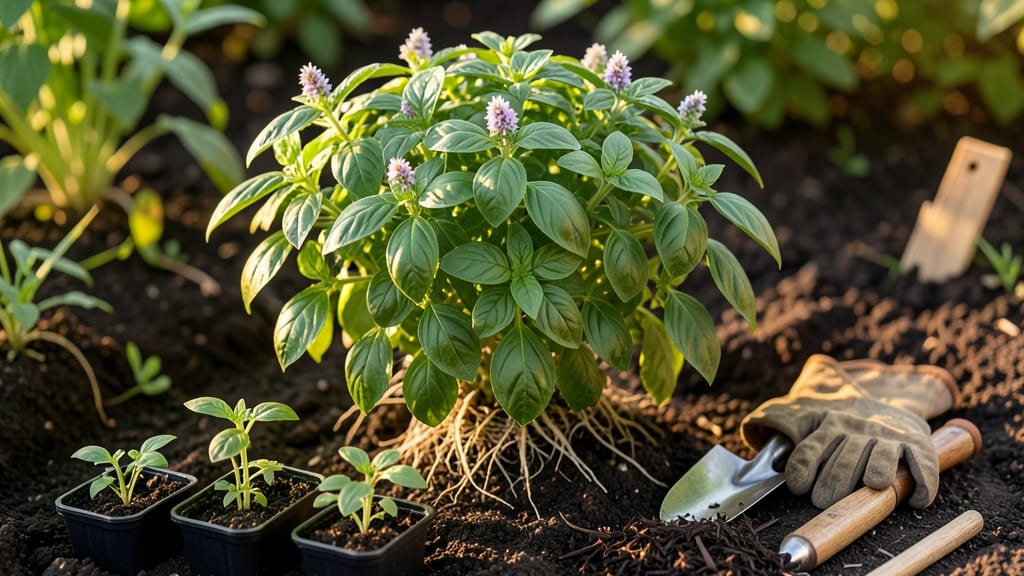
Timing your basil planting in California can mean the difference between a thriving 🌿 herb garden and a sad, bolted disappointment—especially when summer heat hits fast. If you've ever watched your basil flowers shoot up instead of growing lush leaves, you know how frustrating it can be.
California's microclimates make this even trickier. Coastal areas like Santa Barbara can grow basil year-round, while inland spots near Sacramento need precise timing to avoid heat stress. The key is planting when soil temperatures hit 50°F—usually between February and November—but with regional tweaks that most guides miss.
I'll show you exactly when to plant in your specific zone, whether you're in a frost-free coastal pocket or a hotter inland valley. You'll also discover how to stagger plantings for continuous harvests, even through summer's peak heat.
With these microclimate-specific tips, you'll finally get that perfect basil harvest—no bitter surprises included. Let's get your garden growing right the first time.
California basil planting zones by microclimate (avoid bolting with perfect timing)
California's diverse microclimates mean your basil planting window can vary dramatically from Santa Barbara's coastal breezes to Death Valley's scorching heat. Timing is everything—plant too early, and cold snaps will kill seedlings; too late, and summer heat triggers bolting.
The key is understanding your USDA zone and local frost-free dates to avoid these pitfalls.
Coastal areas like San Francisco and Los Angeles enjoy year-round growing potential with USDA Zone 10, while inland valleys (e.g., Sacramento) fall into Zone 8-9 with cooler nights.
Desert regions like Palm Springs (Zone 10-11) demand shade protection during peak summer. Let's break down the ideal planting windows for each microclimate.
Genovese basil, the classic Italian variety, thrives in cooler coastal climates but struggles in 100°F+ desert heat. Thai basil handles higher humidity better, while Purple basil tolerates dry conditions slightly better. Your variety choice should align with your local heat thresholds—more on that below.
🌿
For coastal California, you can plant basil year-round—but focus on February through November for continuous harvests. The cool ocean breezes delay bolting, but summer afternoons can still push temperatures over 95°F.
Use 30% shade cloth during peak heat to protect your plants while maintaining 6+ hours of sunlight.
Inland Central Valley gardens face hotter days and cooler nights, creating a narrow sweet spot for basil. Plant Genovese basil in March–May and September–October to avoid bolting.
Soil temperatures below 50°F will stunt growth, while above 90°F triggers flowering. Use mulch to regulate soil temps and drip irrigation to keep roots cool.
Desert regions like Palm Springs require strategic timing—plant in September–November or February–March to escape 110°F+ summers. Thai basil and Purple basil handle heat better, but you’ll need 50% shade cloth during June–August. Container growing with self-watering pots works best in desert microclimates.
Soil preparation is critical across all regions. Amend your soil with compost and perlite to ensure well-draining conditions—basil hates soggy roots. Test your soil’s pH (6.0–7.0) and add lime if needed. In container gardens, use a lightweight potting mix with 20% coconut coir for moisture retention.
Pro tip: Use seedlings instead of seeds for faster results. Start seeds indoors 4–6 weeks before your last frost date (or 2 weeks before transplanting outdoors). Harden off seedlings by gradually exposing them to outdoor conditions
How to stagger basil plantings for continuous harvests in California’s climate
Staggering basil plantings is my secret weapon for avoiding summer bolting while keeping fresh leaves on the table year-round. In California’s unpredictable climate, where coastal areas stay mild and inland zones can hit 90°F+ by May, timing is everything.
The key is planting in 3-week intervals starting in late winter, then again in early fall—this creates overlapping harvest windows that shield you from heat stress.
For urban gardeners with limited space, container gardening lets you control soil temperature better than in-ground beds. I’ve found that 5-gallon pots with heat-resistant fabric (like black plastic mulch) can keep roots 10°F cooler than open soil during peak summer.
Pair this with drip irrigation timed for early morning, and you’ll extend your harvest by 4-6 weeks compared to single-season plantings.
Here’s exactly how I stagger plantings—with soil temperature triggers, container hacks, and shade strategies tailored to California’s zones:
- 1.
- 2.
- 3.
- 4.
Pro tip: If you’re in Southern California (Zone 10+), you can plant year-round with shade cloth. I’ve grown basil in December under 40% shade and still harvested 3-4 weeks later before spring planting. The trick is monitoring soil temps with a $10 thermometer—never guess!
For urban balconies, use stacked containers (tall planters) to maximize space. I plant 3 basil varieties in one 12-inch pot: Genovese (top), Thai (middle), and Purple (bottom).
This gives me 3 harvest windows staggered by 2 weeks each. Just ensure the bottom variety gets extra water—it’s shaded by the top plants.
With this system, I’ve harvested basil every month in California—no bitter bolting, no wasted plants. The key is adapting to your microclimate and protecting plants when heat spikes. Start small, track your soil temps, and soon you’ll have fresh basil whenever you need it. 🌿