
Plants
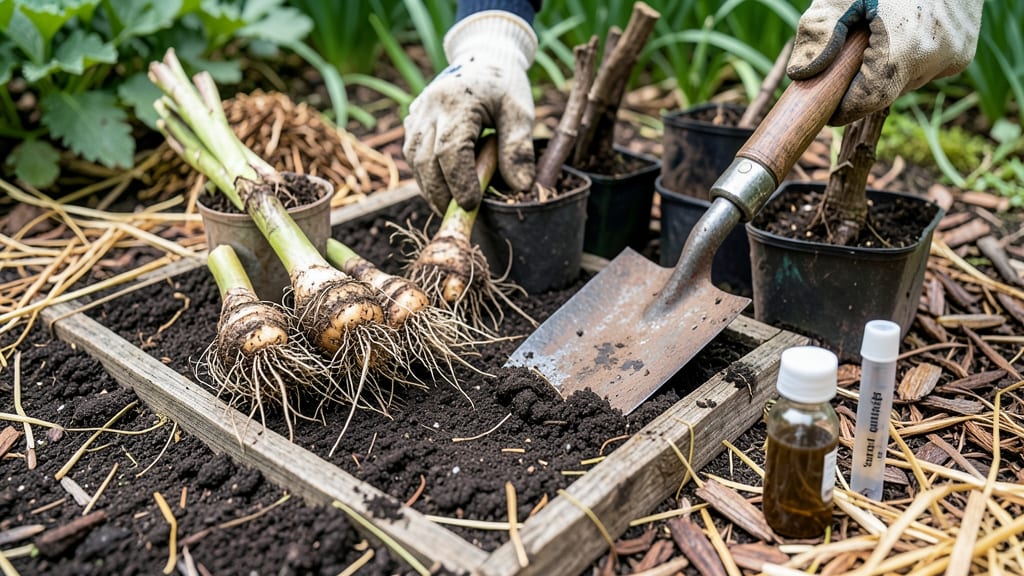
Planting asparagus in Maine isn’t just about throwing crowns into the dirt—it’s about outsmarting frost, rocky soil, and a growing season that barely stretches past summer.
The perfect window for planting asparagus crowns opens in early spring, when soil temperatures hover around 50°F and the last frost is still weeks away.
Why does timing matter so much? Because asparagus is a patient plant—it takes 2-3 years to produce spears, and getting it wrong means wasted effort.
In zones 5b-6b, where cold snaps linger into May, choosing the right variety and preparing the soil properly can mean the difference between a thriving patch and a failed experiment.
I’ve grown asparagus in Maine for years, and I’ll share the exact steps to set yours up for success—from selecting cold-hardy varieties like ‘Mary Washington’ to mulching techniques that protect roots through winter. Let’s get your asparagus off to the right start.
Ready to dig in? You’ll learn how to time your planting for maximum yield, prep soil that drains well (a must in Maine’s clay-heavy earth), and even troubleshoot common mistakes before they happen. Your first harvest is just a few seasons away.
Best planting timeline for asparagus in Maine’s climate zones
Timing your asparagus planting in Maine is all about soil temperature and frost dates. Unlike warmer climates, Maine’s USDA zones 5b-6b demand patience—planting too early risks frost damage, while waiting too long cuts harvest potential.
The ideal window spans from late March to early May, but your exact timing depends on whether you’re planting crowns or seeds.
For most Maine gardeners, crown planting (the preferred method) starts when soil reaches 50°F and stays above freezing. This usually lands in late April for coastal areas (like Portland) and early May inland (e.g., Bangor or Presque Isle).
Seed planting, less common but possible, needs 60°F soil and happens 4-6 weeks earlier.
Here’s the critical timeline broken down by month, including prep steps to avoid common mistakes:
| Month | Task | Details | Soil Temp Threshold |
|---|---|---|---|
| February | Soil Prep | Test pH (6.5–7.5), amend with compost, loosen soil 12" deep. | N/A |
| March | Trench Digging | Create 8–12" deep trenches; add 2" sand if clay-heavy. | 40–50°F |
| Late April | Crown Planting | Place crowns 12–18" apart, roots down, 6" deep. | 50°F+ |
| Early May | Mulching | Apply 4" straw mulch; protect from late frosts. | 55°F+ |
| June–August | Watering | 1–2" weekly; avoid wetting foliage. | N/A |
If you’re transplanting 1-year-old crowns, aim for the same 50°F soil threshold but adjust for your region. Coastal Maine (e.g., Bar Harbor) can plant 2–3 weeks earlier than inland areas like Auburn, where late frosts are more common.
Always check your local USDA frost calendar—last frosts in Portland average May 15, while Caribou can see frost until June 1.
Pro tip: Use a soil thermometer to confirm readiness. Cold soil delays root growth, and asparagus crowns planted in chilly, wet soil rot before establishing. I’ve seen gardeners rush planting in March only to lose their entire patch to frost—don’t make that mistake!
For direct seeding (less common but viable), sow seeds in late February under row covers or in a greenhouse. Seedlings need 60°F soil to germinate, which typically aligns with early April in Maine. However, seedlings are far more vulnerable to frost than crowns, so this method requires extra protection.
After planting, focus on mulching and weed control. A thick layer of straw or wood chips insulates roots through Maine’s freezing winters and suppresses weeds that compete for nutrients.
In my garden, I’ve found that mulching in October (after the first frost) adds an extra layer of protection for winter.
Remember: Asparagus is a long-term investment. Crowns take 2–3 years to produce spears, but with the right timing, your patch can yield 25+ years. Start small—plant 3–5 crowns to test your soil and conditions before expanding.
And if you’re in Zone 5b, opt for ‘Mary Washington’ or ‘Jersey Knight’, two varieties proven to handle Maine’s harsh winters.
Now grab your gloves and mark your calendar! The earlier you prep, the sooner you’ll be enjoying homegrown asparagus—Maine’s version of a golden harvest. 🌱
Top 3 cold-hardy asparagus varieties for Maine gardens
Choosing the right asparagus variety is critical in Maine’s USDA Zones 5b-6b, where winters can stretch into May and frosts linger late. The three varieties I’ve had the most success with—‘Mary Washington’, ‘Jersey Knight’, and ‘Purple Passion’—each bring unique strengths to Maine’s short growing season.
These cultivars not only survive brutal winters but also deliver consistent yields despite our rocky, cold soil.
‘Mary Washington’ remains a classic for good reason: it’s the most cold-tolerant variety I’ve grown, with roots that handle -20°F without flinching. Gardeners in northern Maine swear by it, and its high spear production (up to 20 spears per plant in year 3+) makes it worth the wait.
The trade-off? It needs well-draining soil—a must in Maine’s clay-heavy earth.
‘Jersey Knight’ is my go-to for earlier harvests, producing spears 2-3 weeks ahead of ‘Mary Washington.’ This variety thrives in cooler soils, which is perfect for Maine’s slow spring warming.
It’s also disease-resistant, a lifesaver when fungal spores linger into summer. I’ve seen it yield 15-18 spears per plant in ideal conditions, though it’s slightly less cold-hardy (-15°F tolerance).
For something truly unique, ‘Purple Passion’ adds a splash of color to Maine gardens. Its deep purple spears (which turn green when cooked) are a conversation starter, and the variety handles -10°F well.
While its yields are 20-30% lower than the others, the novelty factor makes it a favorite for cutting gardens or ornamental beds. It also matures slightly faster, giving you spears in year 2 if planted early.
All three varieties should be planted in 8-12-inch-deep trenches, spaced 12-18 inches apart in rows 3 feet apart. This spacing is crucial—crowded plants lead to smaller spears and more disease.
In Maine, I’ve found that planting crowns in late March to early April (when soil temps hit 50°F) gives them time to establish roots before summer heat arrives. Mulch heavily with straw or leaves in fall to protect roots from winter heaves.
Pro tip: If you’re in southern Maine (Zone 6b), you can push planting into early May for a second harvest cycle. Just be prepared to cover plants with row fabric if late frosts threaten.
With the right variety and timing, you’ll be enjoying homegrown asparagus for 20+ years—that’s how long these perennials live!
Which variety will you try first? I recommend starting with ‘Mary Washington’ for reliability, then adding ‘Jersey Knight’ for earlier spears. Save ‘Purple Passion’ for a decorative touch or if you love experimenting with heirloom varieties. 🌱