
Plants
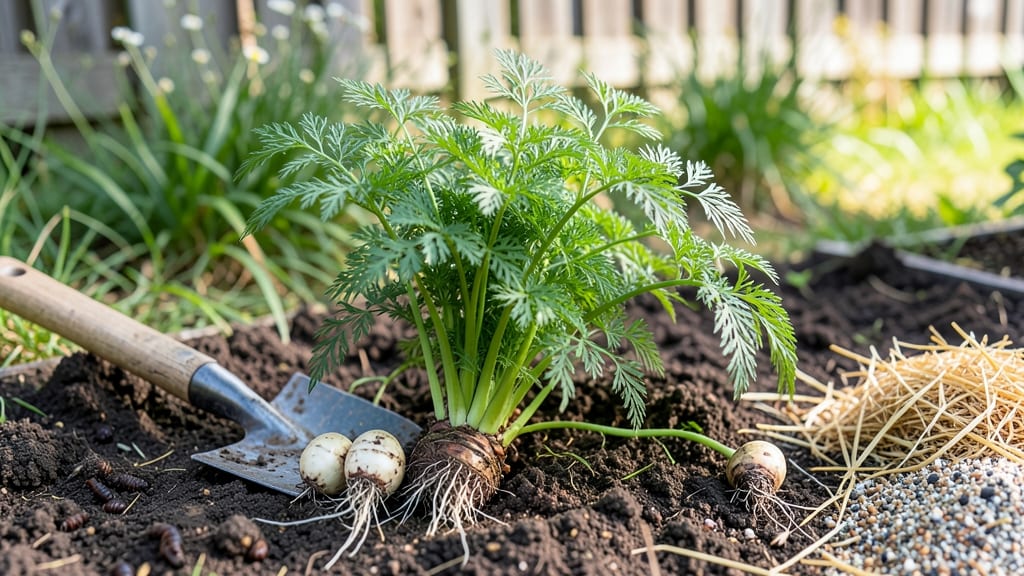
Planting asparagus in Zone 9 during the wrong season could mean years of waiting for your first harvest—because unlike many plants, asparagus needs patience to establish strong roots before it rewards you with those tender spears.
Here’s the secret: in Zone 9’s mild winters, the perfect timing isn’t spring or summer—it’s late winter, when soil temperatures dip just enough to encourage root growth without risking heat stress. December through February is your sweet spot, but there’s more to it than just the calendar.
I’ve grown asparagus in Zone 9 for years, and the difference between a thriving patch and a struggling one often comes down to one critical factor: soil prep and crown depth. Too shallow, and your plants won’t survive the heat; too deep, and they’ll rot before they even sprout.
In this guide, I’ll break down exactly when to plant asparagus crowns (not seeds), how to prep your soil for Zone 9’s unique climate, and the 3 biggest mistakes that kill asparagus before it even gets started. Let’s get those spears growing right.
Ideal planting windows for asparagus in Zone 9 climate
If you're growing asparagus in Zone 9, timing your planting window is critical for strong root development. Unlike cooler climates, Zone 9's mild winters and extended growing seasons demand precise timing to avoid heat stress or poor establishment.
The best months to plant asparagus crowns are December through February, when soil temperatures stay cool but remain workable.
Zone 9's unique microclimates—especially the difference between coastal areas and inland regions—can shift ideal planting times by weeks.
Coastal areas with cooler, foggy winters may extend the window into early March, while inland zones should aim for planting by late February to avoid early spring heat waves that stress young roots.
Here’s a quick reference for your planting schedule, tailored to Zone 9’s specific conditions:
| Planting Window | Soil Temp Threshold | Microclimate Notes | Key Consideration |
|---|---|---|---|
| December | 50–60°F | Coastal: Ideal | Cool soil prevents rot |
| January | 55–65°F | Inland: Best time | Avoid frost pockets |
| February | 60–70°F | Coastal: Last chance | Heat stress risk rises |
| March | 70°F+ | Inland: Risky | Only for early varieties |
For coastal Zone 9 gardens, the ocean’s moderating effect keeps soil temperatures cooler longer, allowing you to plant asparagus crowns as late as early March.
In contrast, inland areas should prioritize planting by late February to prevent the soil from warming too quickly, which can lead to crown rot or poor root establishment.
Always check soil temperatures at a depth of 6 inches—aim for 50–65°F for optimal planting. Use a soil thermometer to avoid guesswork. If your soil is warmer than 70°F, wait until temperatures drop naturally or use shade cloth to protect the planting area during the hottest part of the day.
Another critical factor is moisture management. Zone 9’s dry summers mean newly planted asparagus crowns need consistent watering to establish roots before the heat sets in. Mulch heavily with straw or wood chips to retain moisture and regulate soil temperature, especially in inland microclimates where evaporation rates are higher.
Pro tip: If you miss the winter window, consider container growing for asparagus. Containers allow you to move plants to shaded areas during peak summer heat, extending your planting flexibility. Just ensure pots have drainage holes and use a well-draining mix to prevent waterlogging.
Remember, asparagus is a perennial crop, so investing time in the right planting window now will pay off for years with minimal maintenance. With the right timing and care, your Zone 9 garden can yield tender spears for decades—starting as early as the second year after planting.
How to prepare asparagus crowns for Zone 9 planting success
Preparing asparagus crowns for your Zone 9 garden requires special attention to soil, spacing, and moisture to combat the region's warm winters and hot summers. Unlike cooler climates, Zone 9's mild temperatures mean crowns can rot if planted too deep or in soggy soil.
Start by selecting 1-year-old crowns with firm, white roots and multiple healthy buds.
Before planting, inspect each crown for signs of disease or pests. Trim any damaged roots with clean, sharp shears, but avoid cutting healthy tissue. Soak the crowns in lukewarm water for 1-2 hours to rehydrate roots—this jumpstarts growth in Zone 9's dry conditions.
For best results, use organic-rich soil with a pH between 6.5 and 7.5.
⚠️ CALLOUT-WARNING
Problem: Zone 9's mild winters can cause crown rot if soil stays too wet. Unlike cooler zones, asparagus crowns need well-draining soil but consistent moisture—not saturation.
Fix: Amend soil with compost and perlite (1:1 ratio) and plant on a slight mound to prevent water pooling. Space rows 18 inches apart for airflow.
Pro Tip: Test soil moisture by squeezing a handful—if it forms a ball, it's too wet.
Dig trenches 6-8 inches deep—deeper planting risks crown rot in Zone 9's humidity. Space crowns 12-18 inches apart in rows, allowing room for ferns to spread.
Place each crown 2 inches below soil level, with roots fanned out and buds facing upward. This depth balances moisture retention and heat tolerance.
After planting, water deeply to settle soil but avoid waterlogging. Mulch with straw or wood chips (2-3 inches thick) to retain moisture and suppress weeds. In Zone 9, mulch also protects crowns from temperature fluctuations between day and night. Avoid synthetic mulches—they can overheat soil.
Monitor soil moisture weekly, especially during Zone 9's dry spells. Asparagus crowns need 1-1.5 inches of water per week, but adjust for rain. In summer, water early morning to reduce evaporation and fungal risks. Avoid overhead watering—it spreads disease in warm, humid conditions.
For the first 30 days post-planting, avoid fertilizing. Let roots establish before adding nutrients. Once shoots emerge (typically 6-8 weeks in Zone 9), apply a balanced fertilizer (5-10-10) lightly. Focus on phosphorus to encourage root growth—critical for Zone 9's heat stress.