
Plants
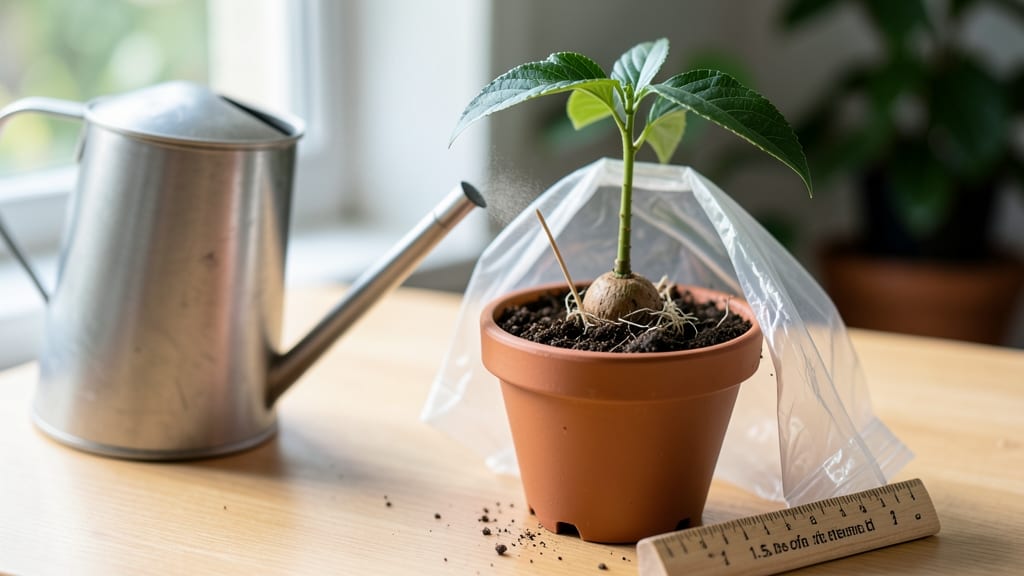
Planting an avocado pit in soil at the right time is the difference between a thriving 🥑 sapling and a sad, moldy failure. You’ve got one shot to get it right—too early and the pit rots, too late and germination stalls.
The best window starts in spring, when soil temperatures climb above 60°F, but your exact timing depends on whether you’re growing indoors or outdoors.
If you’re in a warmer climate, you can plant directly in garden soil after the last frost, giving those roots a head start in the earth.
But in cooler zones, starting your pit indoors under a grow light in early spring lets you control the environment until conditions outside are just right. Either way, patience is key—some pits take 4-6 weeks to crack open, while others wait months.
What most people miss is how soil temperature affects germination. Cold soil slows things down, while heat speeds it up—sometimes too fast, leading to rot. I’ll walk you through the exact steps to prep your pit, when to transplant, and how to spot signs of trouble before they become problems.
Let’s get that 🥑 growing the right way.
By the end, you’ll know whether to plant now or wait, how deep to bury those roots, and what to watch for in the first 12 weeks. No more guesswork—just a foolproof timeline for turning that pit into a tree. Ready to start?
Best time of year to plant an avocado pit in soil
Timing is everything when growing an avocado tree from a pit. Planting too early in cool soil causes rot, while waiting too long risks slow or failed germination.
The ideal window depends on your climate zone—warm regions can start as early as late winter, while temperate zones should wait until spring after last frost. Avocado pits thrive in warm soil temperatures (above 65°F) and need consistent moisture to sprout.
For indoor starters, you can begin the process anytime, but transferring to soil outdoors should align with your local last frost date. Tropical climates offer year-round planting opportunities, but even there, summer heat can stress young seedlings.
Understanding your microclimate—like urban heat islands or shaded spots—helps fine-tune the best timing for your specific conditions.
Here’s a quick comparison of planting windows based on climate to help you decide when to plant your avocado pit:
In tropical zones, you can plant avocado pits almost anytime, but avoid the hottest months (June-August) when soil can dry out too quickly. Instead, aim for spring or fall when temperatures are mild and rainfall is steady.
For indoor starters, you can begin the soaking process in winter, but transfer to soil only when outdoor conditions are favorable.
Avoid planting in cool, wet soil, as this leads to rotten pits and mold. Test soil temperature with a thermometer—65°F+ is ideal for germination.
If your soil is too cold, start your pit in a warm, sunny window or use a heat mat to encourage root growth before transplanting outdoors.
One common mistake is planting pits too early in spring before the soil has warmed. Avocado pits need consistent warmth to germinate, so if your area experiences late frosts, wait until after May 1 or when nighttime temperatures stay above 50°F.
Patience here pays off—rushing the process often results in failed sprouts or stunted growth.
If you live in a dry climate, consider planting in late summer when monsoon rains or irrigation can keep the soil moist. Mulch heavily around the pit to retain moisture and warmth, which are critical for the first 4-6 weeks of growth.
In container gardens, use a well-draining potting mix and place pots in a sunny, sheltered spot to mimic ideal outdoor conditions.
Remember, avocado pits can take 4-12 weeks to germinate, depending on conditions. If you plant in late spring, your seedling may be ready to transplant by summer, giving it time to establish roots before fall temperatures drop.
For indoor starters, keep them near a south-facing window or under grow lights until you’re ready to move them outside.
Finally, monitor your seedling’s progress closely. If you notice yellowing leaves or stunted growth, it may be a sign of overwatering or poor drainage.
Adjust care based on your local climate and the seasonal changes around you—this flexibility is key to nurturing a healthy avocado tree from the start. 🌱
Step-by-step avocado pit germination timeline (weeks 1-12)
Once your avocado pit is ready for soil, the real adventure begins! Germination can take 4-12 weeks, depending on conditions. The key is patience and consistency—your avocado sprout will reward you with lush growth if you follow this week-by-week timeline.
Whether you're growing indoors or outdoors, these milestones will guide you through root emergence, sprout development, and the perfect moment to transplant.
Start by placing your pit in a well-draining potting mix with the flat side down and the pointy end up. Keep the soil moist but not soggy—this balance is critical for preventing rot and mold.
Use a clear container so you can monitor root growth without disturbing the pit. A south-facing window or grow light ensures your sprout gets the 6+ hours of sunlight it needs to thrive.
Here’s what to expect each week, along with actionable steps to keep your avocado pit on track for success:
Monitor for tiny white roots sprouting from the bottom. Keep soil consistently moist—tap the container if the top inch feels dry. Avoid overwatering, which can cause anaerobic conditions and rot.
A green shoot (1-3 inches) will break through the soil. Place the container in bright, indirect light to prevent legginess. Rotate the pot daily for even growth.
Your sprout will develop 2-4 large, glossy leaves. Increase sunlight gradually to 4-6 hours daily. If growing indoors, supplement with a grow light for 12 hours/day.
When roots fill the container and leaves reach 6+ inches, it’s time to transplant to soil. Choose a 5-gallon pot with drainage holes or a garden bed in USDA Zone 10+ after last frost.
If transplanting outdoors, harden off for 7-10 days by placing the pot in partial shade during the day. Water deeply every 5-7 days to encourage root spread.
Your sapling will double in height (now 12-18 inches). Fertilize lightly with balanced 10-10-10 to support new growth. Watch for yellowing leaves, a sign of overwatering or nutrient deficiency.
Troubleshooting is part of the process—mold on the soil surface or stagnant water in the container are red flags. If you see fuzzy gray mold, reduce watering and improve airflow.
For slow or no growth, check your light source: avocado trees crave bright, direct light. If your sprout leans toward the window, it’s time to rotate it!
By Week 12, your avocado sapling should be thriving with a sturdy stem and 4-6 true leaves. This is when you can start training it for outdoor planting (if in a warm climate) or continue nurturing it indoors until spring.
Remember, patience is key—some pits germinate faster, while others take their time. Celebrate each milestone, and soon you’ll be harvesting fruit from your very own tree! 🌱