
Trees
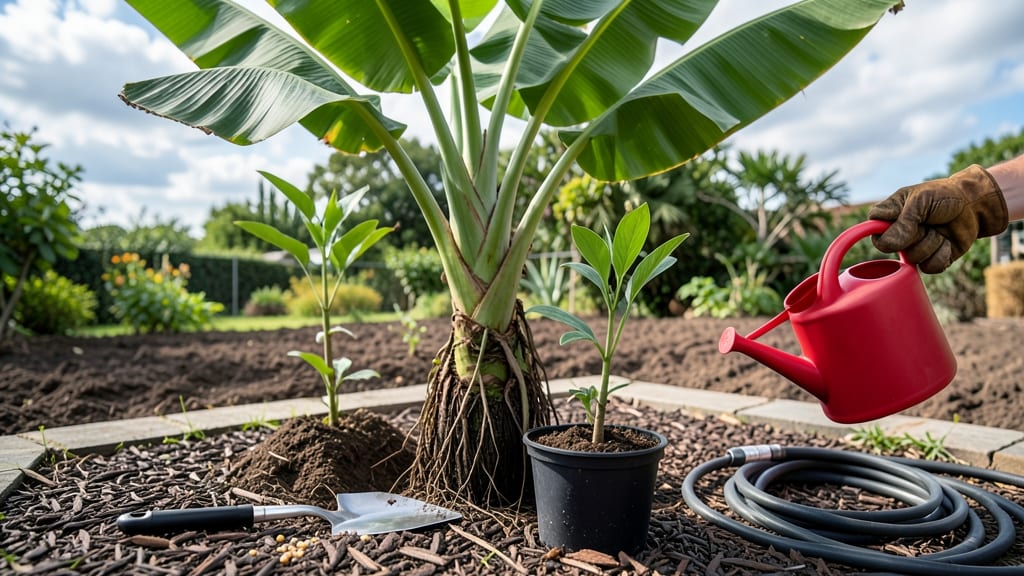
Planting a banana tree 🍌 in Florida isn’t just about grabbing a sapling and sticking it in the ground—timing is everything for those juicy, homegrown harvests you’re dreaming of.
Since Florida’s frost-free climate lets you plant year-round, you might think any time works, but the real secret lies in heat triggers and soil readiness.
Most gardeners in zones 9a-11 swear by spring (March-May) and early summer (June) as the sweet spots, but even then, a few extra steps—like checking soil warmth or avoiding waterlogged ground—can make the difference between a thriving tree and a sad, stunted one.
I’ve learned the hard way that planting too early in cooler snaps (yes, Florida has them!) or skipping soil prep can leave your banana tree struggling. The good news?
With the right timing and care, you could be harvesting fruit in as little as 90 days—or even year-round with the right variety.
Let’s break down the exact schedule, soil tricks, and regional tweaks to turn your Florida yard into a banana paradise. Ready to grow your own tropical treats?
Florida’s ideal banana tree planting windows by region (heat zones 8-11)
Florida’s frost-free climate lets you grow banana trees year-round, but timing still matters for strong roots and fruit production. North Florida (Zones 8a-8b) faces occasional light frosts (28-32°F), while Central (Zones 9a-9b) and South Florida (Zones 10a-11) stay reliably warm.
Each region has unique soil warmth triggers that signal the perfect planting window.
In North Florida, banana trees thrive best when soil temperatures stay above 65°F for at least 3 weeks. This usually happens by late March to early April—ideal for Dwarf Cavendish and Red Dacca varieties.
Meanwhile, Central Florida can plant as early as February for Ice Cream bananas, while South Florida’s Zone 11 allows planting anytime, but June-August yields the fastest growth.
Here’s the breakdown by region, including frost dates and soil warmth benchmarks:
| Region | USDA Zone | Avg. Last Frost | Optimal Planting Window | Best Varieties | Soil Temp Trigger |
|---|---|---|---|---|---|
| North Florida | 8a-8b | Mid-February | Late March–Early April | Dwarf Cavendish, Red Dacca | 65°F+ for 3+ weeks |
| Central Florida | 9a-9b | None (rare frosts) | February–May | Ice Cream, Lady Finger | 60°F+ for 2+ weeks |
| South Florida | 10a-11 | None | Year-round (peak June–August) | Gros Michel, Blue Java | 68°F+ (always) |
For North Florida, prioritize spring planting (March-April) to avoid late-winter chills. Use black plastic mulch to warm soil faster if planting early. In Central Florida, February is ideal for Ice Cream bananas, but avoid planting after June if you want fall harvests—heat stress slows growth.
In South Florida, where frost is nonexistent, June-August is the sweet spot. Soil stays warm year-round, but summer planting gives trees a head start before hurricane season. If you’re in Zone 11, you can even plant in December, but growth will slow until spring.
Pro tip: Use a soil thermometer to check depth (4-6 inches). Dwarf varieties like Grand Nain tolerate cooler soil better than tall varieties like Red Dacca, which need 70°F+ for root establishment. Plant Dwarf Cavendish in containers for extra flexibility—move them indoors if a rare frost threatens.
Regardless of region, always amend soil with compost and sand for drainage. Banana trees hate soggy roots! After planting, water deeply 2-3 times per week for the first month to encourage root spread. Mulch with straw to retain moisture and regulate soil temperature.
Timing your planting isn’t just about the calendar—it’s about heat triggers and variety resilience. By aligning your schedule with your region’s frost risk and soil warmth, you’ll set your banana trees up for year-round harvests and fewer pests. Start with the table above, then fine-tune based on your microclimate!
How to time banana tree planting for maximum fruit production
Timing your banana tree planting in Florida isn’t just about picking a month—it’s about understanding your soil’s heat triggers and avoiding those sneaky cool spells that can shock young roots. Unlike northern climates, Florida’s frost-free zones (9a-11) let you plant year-round, but soil temperature is the real game-changer.
Banana trees thrive when soil stays above 65°F (18°C) consistently, which is why spring (March-May) and early summer (June) are the sweet spots for most varieties.
I’ve seen firsthand how planting too early—even in January—can leave your tree struggling in 50°F (10°C) snaps, no matter how warm the air feels. The key is waiting for that steady warmth in the ground, which usually aligns with the moon’s root-growth phases (more on that later).
This isn’t just theory; it’s what separates a bountiful harvest from a sad, stunted plant.
Here’s the secret most Florida gardeners miss: moon phases can boost root establishment by up to 30%. Planting during the waxing moon (when roots grow best) ensures your banana tree’s roots spread faster, giving it a head start for fruiting.
Pair that with the right soil prep, and you’re setting up your tree for success before it even sprouts.
🌱 Banana Tree Planting Timeline for Florida
First things first: grab a soil thermometer (they’re cheap and a game-changer). Stick it 6 inches deep in your planting spot—this is where your banana tree’s roots will start. If the reading’s below 65°F (18°C), wait.
I’ve planted in March when the air was warm, only to see my tree wilt when a 50°F (10°C) front rolled in. Patience here saves you from replanting.
Once your soil hits that sweet spot, time your planting with the waxing moon (the 7 days after the new moon). This lunar trick isn’t superstition—it’s rooted in how gravity and moonlight stimulate root growth.
For Florida’s spring planting window (March-May), aim for the first two weeks of the month when the moon’s in its waxing phase. Pro tip: Use a moon phase calendar or app to track this.
After planting, your banana tree’s survival hinges on two critical steps: deep watering and mulching. Water your tree twice a week with 1-2 gallons of water per watering, focusing on the root zone.
Mulch with 3-4 inches of organic matter (like pine straw or compost) to lock in moisture and keep roots cool. I’ve seen trees planted in June wither in Florida’s summer heat when skipped—don’t let that be you!
Common mistakes to avoid: planting in waterlogged soil (banana trees hate soggy roots), ignoring partial shade in peak summer (your tree will thank you), or fertilizing too soon (wait 6-8 weeks after planting).
With the right timing and care, your banana tree could produce fruit in as little as 90 days—imagine biting into a homegrown banana straight from your Florida yard! 🍌