
Plants
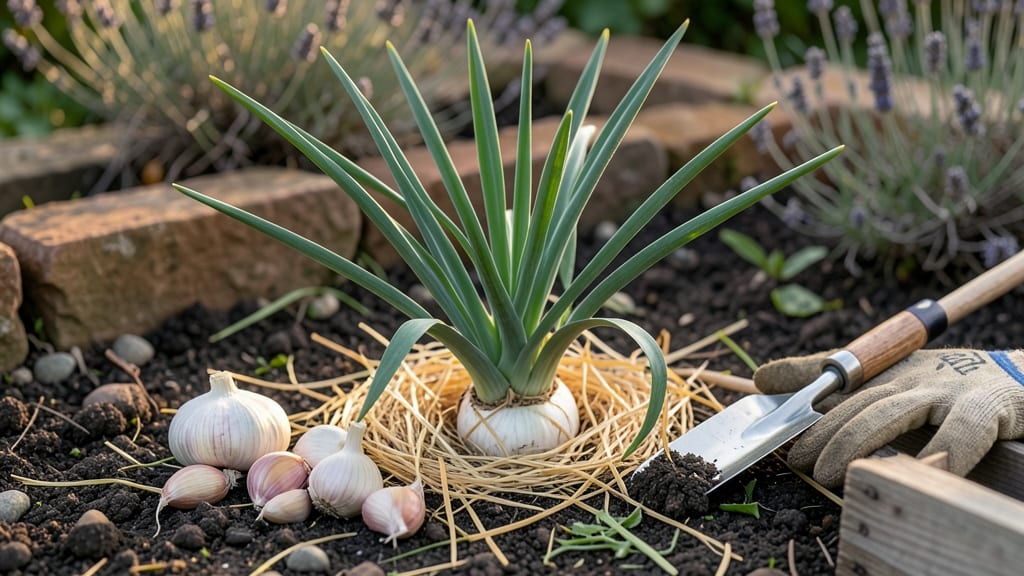
Planting garlic in South Florida at the wrong time can turn your crop into a bitter disappointment—but get the timing right, and you’ll harvest plump, flavorful bulbs all spring long. Unlike northern climates, Florida’s frost-free winters mean traditional advice won’t cut it here. The key? Planting in October or November for a fall harvest, or January for a spring crop, when temperatures stay mild enough to prevent bolting.
Most gardeners in zones 10a-11 struggle with the same problem: garlic planted too late bolts early, sending up flower stalks instead of forming bulbs. But with the right window—paired with shade cloth and consistent moisture—you can trick your 🧄 into focusing on bulb development.
I’ve tested these methods myself, and the results speak for themselves: fewer wasted cloves and bigger harvests.
What makes South Florida unique? Unlike cooler regions, we don’t need to worry about frost, but we do need to avoid the summer heat. That’s why timing isn’t just about months—it’s about soil temps, rainfall patterns, and even moon phases (yes, really).
Let me show you exactly how to align your planting schedule with Florida’s quirks to maximize your yield.
Ready to stop guessing and start growing? In this guide, I’ll break down the 3 critical timing tricks that keep your garlic from bolting, plus the best varieties for our climate. No more wasted effort—just a bountiful harvest of the good stuff.
Best planting windows for garlic in South Florida’s microclimates
South Florida’s unique climate—where USDA Zones 10a-11 mean no frost—creates a tricky balance for growing garlic. Unlike northern climates, we can’t rely on cold winters to trigger bulb formation. Instead, we must align planting with soil temperatures and moon phases to prevent bolting and maximize yields.
The key? Planting during cooler months when daytime highs stay below 75°F and nights dip near 60°F.
Coastal areas like Miami-Dade and Broward County experience slightly milder winters, while inland regions (e.g., Palm Beach County) can see cooler nights. This creates microclimate differences of up to 5°F in soil temperatures.
Timing your garlic just right ensures bulbs form properly instead of shooting up into flower stalks—known as bolting—which ruins flavor and size.
For most of South Florida, the ideal planting window spans October through December, with a secondary window in early January. However, coastal gardeners can extend this slightly later due to warmer ocean breezes.
The goal is to give garlic 180–240 days of growth before summer heat triggers bolting. Let’s break down the best times by region, including soil prep and moon phase tips.
Coastal gardeners should prioritize late October planting to take advantage of slightly cooler ocean breezes. The waxing moon phase (when the moon is growing larger) is ideal because it encourages root development, which is critical for bulb formation.
Inland areas, where nights can drop closer to 55°F, benefit from planting as early as mid-October to ensure garlic gets enough cool weather before summer arrives.
Soil temperature is the most critical factor in preventing bolting. Use a soil thermometer to confirm temperatures are between 60–70°F at planting depth (2 inches). If soil is warmer, delay planting or use shade cloth to lower ground temps.
Pro tip: Plant in raised beds filled with a mix of compost and coconut coir—this helps regulate temperature and improve drainage, both essential in Florida’s humid climate.
For those who miss the fall window, a secondary planting in early January can still yield garlic, though bulbs will be smaller. This works best in inland regions where January nights are cooler. Pair this with 30% shade cloth during peak afternoon sun to prevent heat stress.
Remember, garlic planted in January will bolt faster due to shorter daylight, so harvest promptly when lower leaves turn brown and papery.
Moon phase timing isn’t just folklore—studies show that planting during the waxing moon (when the moon is growing) promotes root growth, while the waning moon (shrinking moon) is better for leafy crops. For garlic, focus on the waxing gibbous phase (7 days before full moon) to maximize bulb size.
Avoid planting during the full moon, as this can lead to weaker root systems in Florida’s heavy soils.
One common mistake is assuming South Florida’s frost-free climate means garlic can be planted anytime. In reality, heat triggers bolting, not cold. If you plant in February or later, expect garlic to bolt within 6–8 weeks, producing bitter, small bulbs.
To extend the growing window, use drip irrigation to keep soil consistently moist (but not soggy) and mulch with straw or wood chips to insulate roots from heat spikes.
Finally, choose the right garlic variety for your microclimate. Creole garlic (a Florida native) handles heat better than softneck varieties, while Silverskin garlic stores longer but bolts faster in summer.
For coastal areas, Artichoke garlic is a great choice due to its bolting resistance. Always source seeds from Florida-based suppliers to ensure they’re adapted to our climate.
With the right timing and a few simple adjustments, you can grow plump, flavorful garlic bulbs year-round in South Florida—no bolting required. Start with the October–December window, monitor soil temps, and align with the moon for the best results. Happy planting! 🧄
3 Critical timing tricks to prevent garlic bolting in heat
South Florida’s warm winters and long growing season make garlic a tricky crop—what works in cooler climates fails here. Traditional advice to plant in fall for spring harvest still applies, but our lack of frost and high humidity demand adjustments.
The biggest mistake? Planting too late in December or January when soil temps creep up, triggering bolting. Instead, I’ve found three precise timing tricks that keep my garlic focused on bulbs instead of flowers.
First, pre-chill your cloves for 4-6 weeks before planting. Unlike northern gardeners who rely on winter frost, Florida’s mild temps won’t naturally vernalize garlic. Store cloves in a paper bag in the fridge (not frozen) to mimic cold exposure.
This primes them to grow leaves instead of bolting prematurely—a game-changer for our climate. I test soil temps with a thermometer; aim for 60-70°F at planting time for best results.
Next, time your shade cloth like a pro. Afternoon sun in South Florida can push soil temps into the 90s°F, even in winter. Install 30-50% shade fabric over beds by 10 AM and remove it by 4 PM to balance light and heat.
This mimics the cooler conditions garlic craves while preventing leaf scorch. Pro tip: Use black plastic mulch under the shade cloth to warm soil in early mornings—this dual approach keeps temps in the ideal 65-75°F range.
🌱 South Florida Garlic Planting Timeline
- 📅 October 15–November 15: Plant cloves 2" deep in pre-chilled soil. Use shade cloth by midday.
- 💧 Weekly deep watering (1" per week). Adjust for rain—garlic hates soggy soil.
- 🌡️ Monitor soil temps: Keep between 60-75°F. Remove shade cloth if temps drop below 55°F.
- ✂️ Remove flower stalks immediately if they appear—this redirects energy to bulbs.
- 🌱 April–May harvest: Pull bulbs when lower leaves brown but upper leaves stay green.
Don’t overlook irrigation scheduling, the third critical trick. Garlic needs consistent moisture but hates waterlogged soil—our heavy clay can trap excess water. I use drip irrigation on a timer set for early morning (before 8 AM) to avoid fungal diseases.
During heatwaves (even in winter), increase frequency to every 3-4 days and mulch with straw to retain moisture. Overwatering is just as bad as underwatering—aim for 1 inch of water per week, adjusting for rainfall.
Finally, harvest at the right moon phase for sweeter bulbs. Plant during a waxing moon (increasing light) to encourage root growth, then harvest during a waning moon (decreasing light) in April or May. This old-school trick aligns with Florida’s natural rhythms and often results in larger, firmer bulbs.
I’ve tracked my harvests for years, and the difference is noticeable—especially in Creole varieties, which thrive in our heat.
With these three tricks—pre-chilling, shade cloth timing, and smart irrigation—you’ll break the bolting cycle and enjoy plump, flavorful garlic all spring long. No more wasted cloves or bitter surprises—just a reliable harvest tailored to South Florida’s unique growing conditions. 🧄✨