
Plants
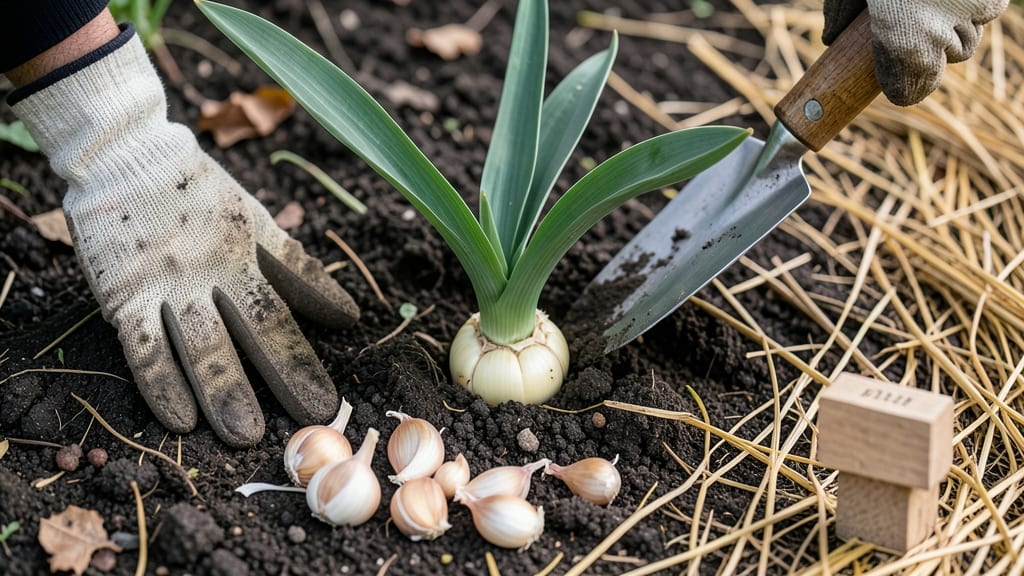
Planting garlic bulbs in Zone 5 at the wrong time can mean the difference between a bountiful harvest of plump 🧄 and a disappointing flop—so timing is everything. The secret lies in understanding your region's unique climate quirks and how they affect your garlic's growth cycle.
Most gardeners in Zone 5 assume fall planting is simple, but there's actually a 6-week window where conditions are just right. Plant too early, and your garlic might bolt before winter; too late, and frost could damage the young roots. I'll show you exactly when to plant for maximum success.
Beyond the calendar, soil temperature and daylight hours play crucial roles. Cold-hardy varieties need time to establish roots before winter sets in, but they also need enough daylight to develop properly. Let me break down the ideal conditions and how to adjust if your season runs a little differently.
Once you've mastered the timing, we'll cover soil prep and mulching techniques that protect your garlic through winter. By following these steps, you'll be on track for those juicy, flavorful bulbs next summer—ready to elevate every dish from pasta to roasted potatoes.
Optimal fall planting window for Zone 5 garlic: exact dates and moon phases
Timing your garlic planting in Zone 5 is all about catching that sweet spot between warm soil and the first hard frost. The ideal window spans 6-8 weeks, starting in late September and ending by mid-November.
This period ensures garlic cloves establish roots before winter dormancy, leading to larger, healthier bulbs next summer. Miss this window, and you risk stunted growth or frozen cloves.
Garlic thrives when soil temperatures hover between 40°F and 50°F—warm enough for root development but cool enough to prevent premature sprouting. In Zone 5, soil typically cools below 40°F by mid-November, signaling the end of your planting window.
Use a soil thermometer to confirm—50°F is your upper limit for planting.
The lunar calendar also plays a surprising role in garlic success. Planting during the waxing moon phase (when the moon is growing brighter) encourages robust root growth, while the waning moon (shrinking light) can lead to weaker bulbs.
Aim for the first or second quarter moon in October or November for the best results.
Here’s your Zone 5 garlic planting timeline broken down by key factors, including soil temps, frost dates, and lunar phases to maximize bulb size:
| Factor | Zone 5 Specification | Actionable Tip |
|---|---|---|
| Soil Temperature | 40°F–50°F | Test with a thermometer; plant when temps stabilize below 60°F. |
| Last Planting Date | Mid-November | Aim for 6 weeks before ground freezes—check your local frost date. |
| Moon Phase | Waxing Moon (1st–2nd Quarter) | Plant during root-friendly phases for stronger bulb development. |
| Daylight Hours | 10–12 hours | Longer days signal garlic to focus on bulb growth over foliage. |
| Frost Timing | 4–6 weeks before hard freeze | Roots need time to harden off before winter; mulch after planting. |
| Ideal Planting Week | Late September–October | Start early for larger bulbs; late October is your last chance. |
Pro tip: If your soil stays warm into early November, you can push planting to Thanksgiving week. Just ensure cloves have 4–6 weeks to root before the ground freezes. For example, if your first frost is November 20th, plant by October 20th for optimal results.
In Zone 5, hardneck garlic varieties like 'Music' or 'German White' perform best because they’re cold-hardy and adapt well to short growing seasons. Softneck varieties (like 'Artichoke') can also work but may produce smaller bulbs.
Always choose large, firm cloves from the outer bulb for planting—they yield the biggest harvests.
Mulching is non-negotiable in Zone 5. After planting, cover beds with 4–6 inches of straw or leaves to insulate bulbs from winter temperature swings. This protects roots during freeze-thaw cycles and prevents heaving (bulbs pushing out of the soil). Remove mulch in early spring once new growth appears.
Don’t wait until December to plant—soil temperatures drop too low, and cloves may rot before spring. If you miss the fall window, you can try spring planting, but bulbs will be 30–50% smaller due to shorter root development time.
For the best results, stick to the fall timeline and let winter do the work for you.
🌱
Signs your Zone 5 garlic planting timing is perfect (or too late)
Getting your Zone 5 garlic planting timing right means watching for specific soil conditions and weather cues. The ideal window is when daytime temperatures hover between 40°F and 60°F, signaling your garlic is ready to establish roots before winter dormancy.
This usually falls between late September and mid-November, but exact timing depends on your local frost dates.
One of the first signs of perfect timing is when your soil temperature consistently stays below 60°F at night but doesn’t freeze yet. Use a soil thermometer to check—if it’s 50°F to 55°F, you’re in the sweet spot.
Another clue? Daylight hours are shrinking rapidly, giving your garlic the long nights it needs to trigger bulb formation.
⚠️ WARNING: Late Planting Risks
Planting garlic too late (after mid-November) risks frozen roots before establishment. If you miss the window, try high tunnels or cold frames to extend the season—but expect smaller bulbs. Early planting (before September) can lead to premature sprouting and weak plants.
Check your local weather forecast for a 3-4 week frost-free period after planting. This ensures your garlic has time to root before winter sets in. If you’re unsure, plant a few cloves in early October and others in mid-November—this gives you a backup if the first batch struggles.
For Zone 5 gardeners, pay attention to leaf growth patterns after planting. Healthy garlic should sprout within 2-3 weeks and grow 2-3 inches of green shoots before winter. If growth stalls or leaves turn yellow, you may have planted too late or in poorly drained soil.
If you’re a late starter, don’t panic! Plant garlic in early December and cover it with 6+ inches of straw mulch to insulate roots. While bulbs may be smaller, this method still yields edible garlic—just avoid softneck varieties, which need longer growing seasons.
Pro tip: Use a moon planting calendar for Zone 5—root crops like garlic thrive when planted during the waning moon in autumn. This aligns with natural root growth cycles and can improve bulb size by up to 20%. 🌱