
Plants
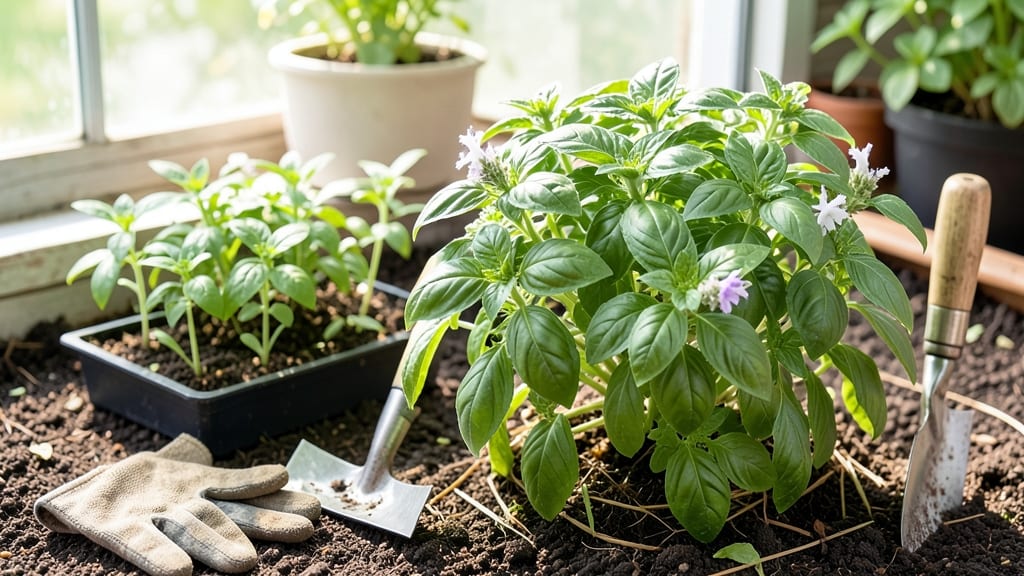
Planting basil in Maryland at the wrong time means wasted effort—frost can kill tender seedlings, while late starts leave you scrambling for harvests before summer’s end. The sweet spot?
Between April 15 and May 15, once soil warms and frost risks fade, but timing varies by county from Zone 5A to 8B. Whether you’re in humid Baltimore or drier Western Maryland, getting this right ensures lush, aromatic 🌿 basil from June through October.
I’ve grown basil in Maryland for years, and the difference between a thriving plant and a bolted disappointment comes down to one key factor: aligning your planting with your specific heat zone.
Skip the guesswork—this guide breaks down exact frost-free windows for Baltimore, Frederick, and coastal areas, so you can start seeds indoors or direct-sow with confidence. No more waiting until it’s too late!
What you’ll discover here is how to extend your basil season using row covers, succession planting, and shade cloth to beat Maryland’s heat and humidity.
Plus, I’ll share the best varieties for your region—Genovese for pesto, Thai for spice, and Purple basil for visual flair—and when to transplant them for maximum yield. Ready to grow basil that tastes like summer all season long?
Let’s dive into the exact timeline by county, so you can plant with precision and harvest like a pro. Your garden—and your taste buds—will thank you!
Maryland basil planting timeline by county heat zones
Maryland’s diverse heat zones (5A–8A) create dramatic differences in last frost dates, meaning your basil planting window could shift by weeks depending on where you garden. In Coastal counties like Calvert, you might plant by April 1, while Western Maryland’s Frederick County waits until May 1.
Understanding these county-specific timelines ensures your basil thrives without frost damage or summer bolting.
Basil is a warm-season herb that hates cold—even a light frost will kill it. That’s why I always check my local frost-free date and adjust my planting schedule accordingly.
For Maryland, this means starting seeds indoors 4–6 weeks before your last frost or waiting until after May 10 for direct sowing in most areas. Let’s break down the exact planting windows by county heat zone.
🌱 Key Rule: Never plant basil outdoors until the soil temperature reaches at least 50°F and nighttime temps stay above 45°F. Use a soil thermometer to confirm—this is non-negotiable for healthy basil growth.
| County Heat Zone | Last Frost Date | Best Planting Window | Indoor Seed Start | Harvest Ready |
|---|---|---|---|---|
| Coastal (5A–6A) | April 1–15 | April 15–May 1 | March 1–15 | June 1–15 |
| Baltimore (6B–7A) | April 10–20 | April 25–May 10 | March 15–April 1 | June 10–20 |
| Frederick (6A–7B) | April 20–May 1 | May 10–20 | March 20–April 5 | June 20–July 1 |
| Western MD (7A–7B) | April 25–May 5 | May 15–25 | April 1–15 | July 1–10 |
| Southern MD (8A) | March 20–April 5 | April 1–15 | February 15–March 1 | May 15–30 |
🌡️ Note: Adjust for microclimates—valleys frost later, hills earlier.
If you’re in Baltimore County, aim to transplant basil by May 1 to avoid late frosts. I’ve seen April 25 work in warmer microclimates near the Patapsco River, but Western Maryland’s higher elevations often need to wait until May 15.
For Coastal counties, you can push it to April 1—the moderating ocean influence delays frost longer.
For container gardeners in urban areas like Baltimore City, heat absorbs faster, so I recommend planting 1–2 weeks later than rural zones.
Use black pots to warm soil quicker if needed. Black plastic mulch can also help raise soil temps by 5–10°F, giving you a 2-week head start in cooler zones.
Pro tip: Succession planting is key for a continuous basil harvest. In Southern Maryland (Zone 8A), I sow seeds every 2 weeks from April to June to keep fresh basil until October’s first frost.
For Northern counties (Zone 5A–6A), limit to 2 plantings—one in early May and another in mid-June.
Watch for false springs
Best basil varieties for Maryland’s climate and when to start seeds indoors
Maryland’s humid summers and variable frost dates make selecting the right basil varieties and timing critical for success. Genovese basil is the classic choice for pesto lovers, while Thai basil adds a spicy kick perfect for Southeast Asian dishes. Purple basil not only thrives in Maryland’s heat but also adds stunning color to containers.
Each variety has unique needs, but all demand precise planting schedules to avoid early bolting or frost damage.
Starting basil seeds indoors gives you a 4–6 week head start before Maryland’s last frost (typically mid-April in most counties). I recommend beginning seeds in early March for Zone 7A–8B areas like Baltimore and Frederick, or late March for cooler regions like Western Maryland.
This timing ensures seedlings are robust enough to transplant outdoors by mid-May, just as soil temperatures hit the ideal 50°F+ range.
For urban gardeners with limited space, container gardening is ideal—just ensure pots have drainage holes and use a lightweight potting mix. Basil in containers can be moved indoors before the first frost in November, extending your harvest season.
I’ve had success keeping potted basil on a sunny windowsill through winter, though growth slows significantly during Maryland’s cooler months.
- 🌱 Start seeds indoors: 4–6 weeks before last frost (early March for most of Maryland)
- 🌡️ Transplant outdoors: After soil reaches 50°F+ (mid-May in Zone 7A–8B)
- 🪴 Container adjustments: Use 5+ gallon pots for full-sized plants; add compost for moisture retention
- ☀️ Sunlight needs: 6+ hours daily—south-facing windows or balcony work for containers
- 💧 Watering tip: Keep soil consistently moist (avoid soggy roots) and water in the morning
Genovese basil, the most popular variety for Maryland gardens, prefers well-draining soil and benefits from a light application of balanced fertilizer (5-10-5) every 4–6 weeks. Thai basil, on the other hand, handles Maryland’s humidity better and often requires less frequent feeding.
Purple basil, with its vibrant foliage, is drought-tolerant once established, making it a low-maintenance choice for busy gardeners.
If you’re in a cooler microclimate like Garrett County (Zone 5A–6A), extend your indoor seed-starting window to late February and use row covers for early outdoor protection. For urban areas, consider succession planting—sow new seeds every 2 weeks from May through July to ensure a continuous harvest.
This method works especially well for container gardens on patios or balconies.
Remember, basil is sensitive to temperature fluctuations, so avoid transplanting when nighttime temps dip below 55°F. If frost threatens in late fall, bring potted basil indoors to a sunny spot and reduce watering slightly.
With the right variety and timing, you’ll enjoy fresh basil from June through October, with the potential to extend harvests into November with proper care.