
Plants
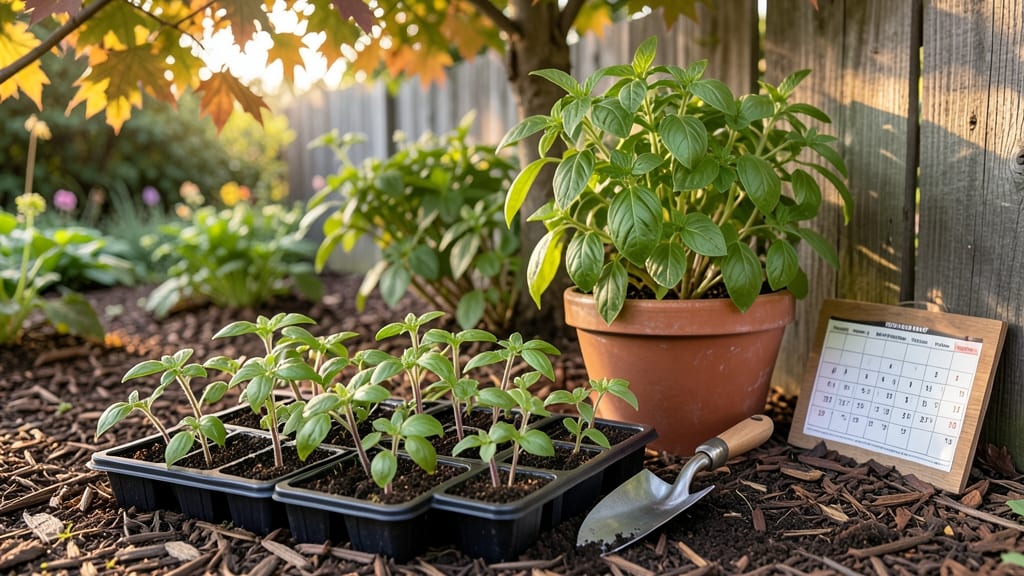
Timing your 🌿 basil planting in Michigan isn’t just about avoiding frost—it’s about unlocking the peak flavor of the season. Plant too early, and your seedlings will wilt before they even sprout; too late, and you’ll miss the sweet, aromatic harvests from June to September.
The key lies in understanding your USDA Zone 5b-6b frost dates and soil temperature triggers.
I’ve spent years perfecting my Michigan garden’s basil schedule, and the difference between a thriving plant and a failed experiment comes down to two critical factors: waiting for soil to warm to at least 50°F and knowing exactly when your last frost date falls.
Whether you’re starting seeds indoors in March or transplanting seedlings in May, these precise windows make all the difference.
What if you’re unsure about your exact last frost date? Don’t worry—I’ll break down the frost-free timeline for Detroit, Grand Rapids, and Ann Arbor, plus how to adjust for your microclimate.
You’ll also discover how to extend your basil’s growing season with simple tricks that keep your garden productive well into summer.
Ready to grow basil that’s bursting with flavor and free from common Michigan pitfalls? Let’s dive into the exact planting schedule, soil prep secrets, and transplanting tips that will turn your garden into a basil powerhouse—no guesswork required.
Michigan basil planting dates by last frost timeline (zones 5-6)
Getting your basil planted at the right time in Michigan means the difference between a thriving herb garden and a sad, frost-nipped failure. Since Michigan spans USDA Zones 5b-6b, frost dates vary dramatically—from late April in Detroit to early May in Grand Rapids.
Timing isn’t just about avoiding frost; it’s about maximizing your harvest window before Michigan’s summer heat triggers bolting.
Basil is a warm-season herb that refuses to grow when soil temps dip below 50°F. That means waiting for last frost isn’t enough—you need to check soil temperature with a thermometer.
I’ve planted basil too early in Ann Arbor only to watch seedlings wilt overnight. Trust me, you don’t want that heartbreak.
Here’s the golden rule: Plant basil after May 15th in northern Michigan and after April 30th in southern Michigan. But since weather is unpredictable, I recommend using a frost-free date calculator or checking your local Cooperative Extension Service for updates.
For example, Detroit’s average last frost is April 28, but 2022 saw frost as late as May 10.
If you’re eager to start early, begin indoor seedlings in late March under grow lights. Transplant them outdoors only after soil warms to 50°F and all frost risk has passed. I’ve had success with Genovese basil started indoors in early April, then hardened off and moved outside by late May.
Microclimates matter too. A south-facing garden bed warms up faster than a shaded spot, so you might plant there 1-2 weeks earlier. Conversely, low-lying areas or urban heat islands can have frost pockets—always scout your yard for these before planting.
For succession planting, sow new seeds every 2 weeks after your first planting until July 1. This ensures a steady supply of fresh basil all summer. I’ve used this method to harvest basil from June through September, even in cooler Michigan summers.
Just remember: basil bolts (goes to seed) faster in hot weather, so harvest leaves regularly to keep plants productive.
If you’re worried about late frosts, use row covers or cloche tunnels to protect seedlings. I’ve saved many a basil plant by covering them with a floating row cover during cold snaps in May.
These simple tools can extend your planting window by 2-3 weeks, giving you more time to enjoy fresh basil.
Pro tip: Test your soil temperature before planting. Use a soil thermometer to confirm it’s at least 50°F at a depth of 2 inches. Cold soil will stunt growth, and basil won’t thrive until it’s warm enough.
I’ve seen seedlings struggle in 55°F soil, so don’t rush—wait for the perfect moment.
Finally, consider container growing if your yard has unpredictable frost pockets. Containers warm up faster and can be moved to sheltered spots during late frosts. I grow basil in 5-gallon pots on my patio, which lets me control the environment and avoid frost entirely.
With these frost-free planting dates and a little patience, you’ll have lush, flavorful basil all season long—no frost-related disappointments included. Happy planting! 🌿
Step-by-step basil planting guide for Michigan gardens
Michigan’s cool springs and unpredictable frosts demand precision when planting basil. The key to 100% survival lies in waiting for soil temperatures to hit 50°F+ and all frost risk to pass.
I’ve learned the hard way—planting too early means leggy, frost-bitten seedlings, while waiting too long risks missing the peak harvest window of June-September.
For Michigan gardeners, this means timing your transplanting between mid-April (southern MI) and early May (northern MI). If you’re starting indoors, begin seeds 6-8 weeks before your last frost date. The secret? Using organic fertilizers like compost tea and mulching to protect tender roots from temperature swings.
🌱 Step-by-Step Basil Planting Guide
- Step 1: Test soil temperature with a soil thermometer—wait until it reaches 50°F+ for 5+ days in a row.
- Step 2: Prepare planting beds by amending soil with 2 inches of compost and a balanced organic fertilizer (10-10-10). Basil thrives in well-draining, slightly acidic soil (pH 6.0-7.0).
- Step 3: Space seedlings 12-18 inches apart in rows 18-24 inches apart to allow airflow and prevent fungal diseases. Basil grows 1-2 feet tall but needs room to spread.
- Step 4: Transplant seedlings carefully, burying stems up to the first set of leaves to encourage root growth. Gently pat soil around roots and water deeply to eliminate air pockets.
- Step 5: Mulch with straw to retain moisture and protect roots from temperature fluctuations. Apply a 2-inch layer after planting and replenish as needed.
- Step 6: Water at soil level in the morning to prevent fungal spores from spreading. Basil needs 1-2 inches of water weekly, but avoid overwatering—soggy soil causes root rot.
- Step 7: Protect from late frosts using frost cloth if temperatures dip below 40°F. Even a light frost can kill basil plants, so monitor forecasts closely.
Once your basil seedlings are in the ground, consistency is key. I fertilize mine every 4-6 weeks with a fish emulsion to boost flavor and growth. For Michigan’s humid summers, I also rotate plants to improve airflow and reduce disease pressure.
Prune regularly to encourage bushier growth and prevent bolting.
If you’re in northern Michigan (Zone 5b), consider starting a second batch indoors in early June for a fall harvest. With the right timing and care, you’ll enjoy fresh basil from June through September—perfect for pesto, salads, and summer dishes! 🌿