
Plants
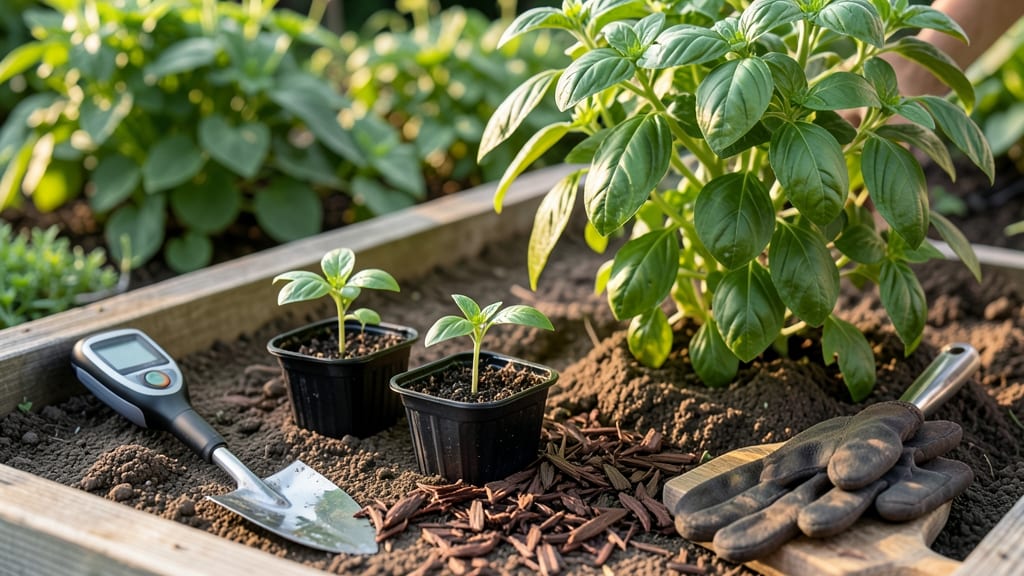
Timing your basil planting in Ohio wrong could mean the difference between a thriving 🌿 harvest and a sad, frost-nipped disappointment. Ohio’s famously fickle spring weather—where late frosts can linger well into May—means you can’t just follow a generic calendar.
The key is waiting for that last frost date (usually around April 15 in most of the state) and ensuring soil temps hit at least 50°F before sticking basil in the ground.
But here’s the catch: even if you nail the planting window, Ohio’s short growing season means you’ll need to act fast to maximize your basil’s potential.
We’re talking 45-60 days from seed to harvest, so if you miss the mid-April to early May boat, you might end up with stunted plants or bitter-tasting leaves. The good news?
With the right strategies—like starting seeds indoors in March or using row covers—you can stretch your basil’s season well into September.
Let’s cut to the chase: I’ll walk you through Ohio-specific planting dates, soil prep tricks, and how to protect your basil from the state’s infamous humidity and early autumn frosts.
Whether you’re a first-time gardener or a seasoned green thumb, these insights will help you grow basil that’s bursting with flavor and ready for your kitchen by summer.
Ready to skip the guesswork? You’ll learn exactly when to plant, how to tell if your soil is ready, and even how to extend your harvest window—so you’re not left scrambling when the first frost rolls around. Let’s get those basil seeds in the ground the right way!
Ohio basil planting calendar: exact weeks before/after last frost
Ohio’s last frost dates vary dramatically by region—from late April in southern counties like Hamilton to mid-May in northern areas like Ashtabula. Basil seedlings can’t handle frost, so timing your seed-starting or transplanting is critical for a thriving harvest.
I’ll break down the exact windows for Ohio’s USDA Zones 5-7, including soil temperature requirements and microclimate adjustments.
For successful basil growth, soil must reach 60°F+ (15°C+) before planting. In Ohio, this typically aligns with 2-4 weeks after the average last frost. Northern Ohio gardeners should wait until May 1-15, while southern Ohio can plant as early as mid-April.
I’ll show you how to calculate your exact planting window using local frost data.
Key takeaway: Start basil indoors 6-8 weeks before your last frost date if using seedlings, or direct-sow 2-3 weeks after soil warms to 60°F. Ohio’s humidity and clay soil add extra challenges—more on that below.
Visual reference: Use this table to pinpoint your planting timeline based on Ohio’s microclimates. Adjust dates 1-2 weeks earlier for southern Ohio or 1-2 weeks later for northern regions.
| Region | Avg. Last Frost | Soil Temp. (60°F+) | Seed Start Indoors | Transplant Outdoors |
|---|---|---|---|---|
| Southern Ohio (Zones 6-7) | April 15-May 1 | April 1-15 | Feb 15-Mar 15 | April 30-May 15 |
| Central Ohio (Zones 5b-6) | April 20-May 5 | April 15-30 | Feb 28-Mar 20 | May 10-25 |
| Northern Ohio (Zones 5a-5b) | May 1-15 | May 1-15 | Mar 15-Apr 1 | May 20-June 1 |
If you’re direct-sowing basil seeds (not transplanting), wait until 2-3 weeks after your region’s last frost date. This gives soil time to warm and reduces damping-off risk from cold, wet conditions.
For example, in Columbus (Zone 6a), I direct-sow basil around May 10-15 after testing soil temperature with a thermometer.
Pro tip: Use black plastic mulch or row covers to warm soil faster in northern Ohio. This can shave 1-2 weeks off your planting timeline. I’ve seen soil temperatures rise 10°F+ in just 3 days with this method.
Ohio’s first frost typically arrives in mid-October, but basil can often survive until late September if protected. For a fall harvest, start a second batch of seedlings 8-10 weeks before your first frost date. This extends your growing season by 4-6 weeks.
For container gardening, basil thrives in pots and can be moved indoors before frost. Start containers 4-6 weeks before your last frost date to ensure they’re large enough (at least 6-inch diameter) for healthy root growth.
I’ve grown basil in containers on my patio until November using grow lights.
Monitor local weather forecasts for late-season frost warnings. Even a light frost (28°F) can damage basil leaves. If frost is predicted, cover plants with frost cloth or move containers to a sheltered area. Hard frosts (below 25°F) will kill basil outright.
Ohio’s clay-heavy soils can delay soil warming. Amend beds with compost or sand to improve drainage and heat retention. I mix in 2-3 inches of compost before planting to help basil establish faster in cooler springs.
How to extend basil’s growing season in Ohio’s short summers
Ohio’s summers are short—frost can sneak in as early as mid-October, cutting your basil harvest short. But with the right strategies, you can keep your plants thriving until late September or even October.
The key is combining season extension tools with smart planting techniques tailored to Ohio’s climate.
Basil loves warmth but struggles with temperatures below 50°F. By using row covers, cold frames, and succession planting, you can push your harvest window by 4-6 weeks. Even in colder Ohio regions like Zone 5b, these methods work—if you start early and protect your plants.
- 🌱 Start a second crop in late July—plant Genovese or Thai basil varieties for a fall harvest before frost.
- 🛡️ Use row covers (like frost cloth) to protect plants when night temps drop below 55°F.
- 🏡 Set up a cold frame over your basil bed—extends season by 3-4 weeks with minimal effort.
- 🌿 Plant near heat-tolerant companions like tomatoes or peppers to share warmth and deter pests.
- ⏰ Harvest aggressively in September—pinch back flowers to redirect energy to leaf growth.
For succession planting, sow new seeds every 2-3 weeks from early June through mid-July. This ensures a continuous harvest until frost. Choose compact varieties like Spicy Globe—they’re more cold-tolerant than traditional basil and perfect for containers or cold frames.
Companion planting is another game-changer. Basil pairs well with tomatoes, oregano, and marigolds, which repel pests and improve growth. Place your basil close to tomatoes—the tomato’s shade helps basil tolerate afternoon heat, while basil deters whiteflies that plague tomatoes.
When using row covers, secure them tightly at dusk and remove by 10 AM to prevent overheating. For cold frames, vent them daily after 9 AM to avoid condensation issues. These simple steps can double your harvest compared to unprotected plants.
Don’t forget to harvest regularly—this encourages bushier growth and delays flowering, which makes basil less cold-hardy. With these techniques, you’ll enjoy fresh basil pesto straight from your garden until October’s first frost—or even later in sheltered microclimates.