
Plants
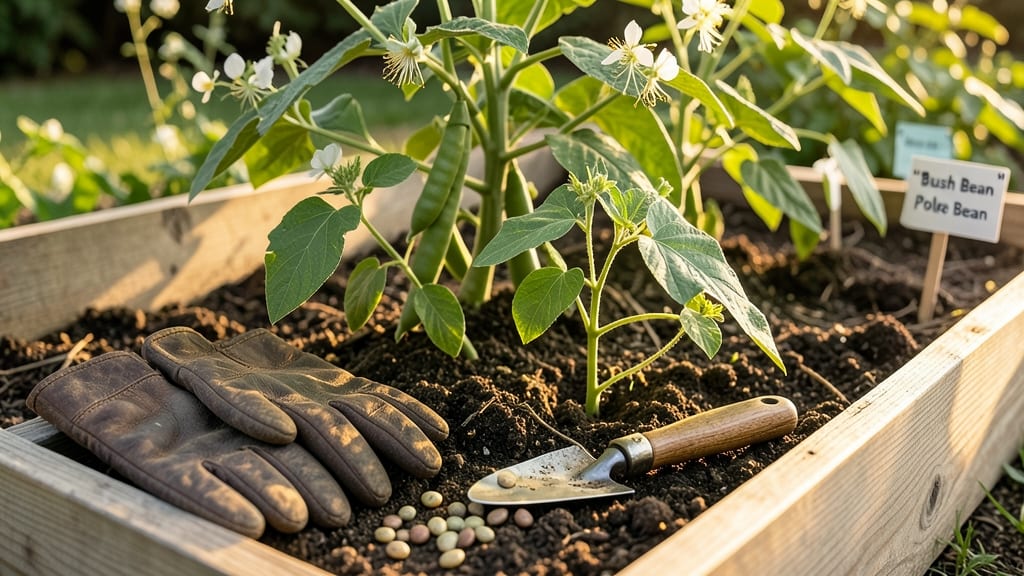
Planting beans at the wrong time in California can mean the difference between a bumper crop and a sad, bolted disappointment—especially when coastal fog clashes with inland heat.
The perfect window depends on where you live, but getting it right means fresh pods from spring through fall without the stress of premature flowering.
Whether you're in chilly Zone 10a-11 coastal areas or baking Zone 9a-10b inland valleys, timing matters more than you might think.
I’ve grown beans across California’s microclimates, and the secret isn’t just picking a month—it’s understanding your local frost dates, soil warmth, and even the type of beans you’re planting (pole vs. bush). Let’s break down the exact months to start seeds or transplants for zero bolt risk.
For coastal gardeners, February through March is your sweet spot, while inland growers should wait until March or April. But here’s the game-changer: with a few simple tricks—like succession planting and heat-tolerant varieties—you can stretch your harvest window into October.
Ready to avoid the common mistakes that turn your beans into early flowers? Let’s dive into the calendar that works for your corner of California.
You’ll leave here knowing not just when to plant, but how to set yourself up for success—whether you’re battling coastal chill or desert heat. No more guessing games, just a clear plan tailored to your microclimate. Let’s get those 🌱 beans growing!
California bean planting calendar by microclimate (avoid bolting in coastal vs. desert zones)
California’s coastal fog, Central Valley heat, and desert extremes create wildly different growing conditions for beans. The key to success? Planting at the right time to avoid premature bolting—when beans flower and pod before maturing.
Coastal areas can start as early as February, while desert zones should wait until April to avoid frost or heat stress. Let’s break down the ideal planting windows for each microclimate, including pole vs. bush bean varieties and frost/heat thresholds.
Your first step is understanding your last frost date and soil temperature. Most bean varieties need soil at 60°F+ to thrive. Coastal regions like San Francisco can plant 2-4 weeks earlier than inland areas like Bakersfield.
Meanwhile, desert zones like Palm Springs must time plantings to avoid 100°F+ heat, which stunts growth. Below, you’ll find a side-by-side planting calendar for California’s four key regions, plus the best varieties for each zone.
For Northern Coast regions like San Francisco, start seeds indoors in late January or direct-sow in mid-February once soil hits 60°F. Varieties like Blue Lake thrive in cooler temps but bolt quickly if planted too early.
Use row covers if frost threatens after planting. The fall window (August-September) works well here, as cooler coastal nights prevent heat stress.
In the Central Valley, where temperatures swing wildly, aim for March-April plantings. Provider bush beans and Rattlesnake pole beans tolerate the valley’s heat better than other varieties. If you’re planting in July-August for a fall crop, focus on short-season varieties like Roma II and water deeply to prevent bolting.
Mulch with straw to retain moisture and cool roots during 90°F+ days.
The Southern California climate offers a longer growing season, but coastal fog can delay germination. Plant Blue Lake or Maxibel in February-March for spring harvests or August-September for fall.
Avoid planting in June-July when temperatures exceed 85°F for extended periods—beans will bolt within 2-3 weeks. Shade cloth (30-50%) can help during peak summer heat.
Desert regions like Palm Springs require the most caution. Wait until April 1 to plant, when soil temperatures stabilize above 70°F. Contender bush beans and Scarlet Runner pole beans handle heat well but need consistent watering (1-2 inches per week).
For a fall crop, plant in September and harvest before November’s first frost. Use drip irrigation to avoid wetting leaves, which increases disease risk in desert humidity spikes.
Pro tip: Test soil temperature with a soil thermometer before planting. Beans need 60-85°F soil for optimal growth. If your soil runs cooler (common in coastal areas), wait until nighttime temps stay above 50°F to prevent bolting. In desert zones, shade cloth during the hottest afternoon hours can extend your planting window by 2-3 weeks.
Succession planting is your secret weapon in California. For bush beans, sow seeds every 2 weeks from your region’s start date until June 1 to ensure a continuous harvest. Pole beans, which take longer to mature, benefit from one-time plantings in spring and fall.
Pair them with fast-maturing varieties like Blue Lake (55 days) to maximize yield.
Finally, watch for bolting signs: rapid vine growth, yellowing leaves, or flowers without pods. If you see this, reduce water slightly (beans bolt when stressed) and provide afternoon shade.
In desert zones, evening watering (after 6 PM) helps prevent heat stress. With this calendar, you’ll avoid the most common mistakes and enjoy **pod
How to extend bean season in California: soil, succession planting, and heat-tolerant varieties
California’s unpredictable weather—from coastal chill to desert heat—can shrink your bean harvest window faster than you can say "bolt risk." But here’s the good news: with the right soil prep, succession planting, and heat-tolerant varieties, you can grow beans from spring through fall without stress.
I’ve tested these techniques in my own garden, and they’ve added 3-4 months to my harvest season. The key? Understanding when your soil is truly ready and how to protect young plants from temperature swings.
Most gardeners stop at a single spring planting, but that leaves gaps in your harvest. By using staggered sowings every 2-3 weeks, you can ensure a steady supply of fresh pods. Pair that with mulching to retain soil warmth, and you’ll be harvesting well into October—even in inland heat.
Let’s break down the exact steps to make this work in your microclimate, no matter where you’re growing.
🌱 Extend Your Bean Season: Step-by-Step
- Test soil temperature—wait until it reaches 60°F+ before planting. Use a soil thermometer for accuracy, especially in coastal areas where mornings stay cool.
- Choose heat-tolerant varieties like 'Contender' or 'Blue Lake', which handle 90°F+ better than standard types. These stay productive even when other beans bolt.
- Mulch heavily with straw or wood chips to keep roots cool and moisture locked in. Replenish mulch every 4-6 weeks as it breaks down.
- Succession plant every 2 weeks—sow a new batch when seedlings emerge. This ensures continuous harvests and reduces bolting risk from heat stress.
- Water deeply in the morning to encourage strong root growth. Avoid evening watering, which promotes fungal diseases in California’s humid nights.
- Use shade cloth (30-50%) for late-season plantings to protect young plants from intense summer sun. Remove after 2-3 weeks once plants establish.
- Harvest regularly—picking pods every 2-3 days encourages more production and prevents plants from shutting down early.
One of the biggest mistakes I see is planting too early in cold, wet soil, which slows germination and invites rot. Always check for soil warmth—if your hands feel cold pressing into the earth, wait a few more days.
In my Zone 10a coastal garden, I’ve found that late February is the magic window for first plantings, while inland growers should wait until mid-March.
For fall plantings, aim for August-September in most of California. This gives beans 60-70 days to mature before frost hits. Use black plastic mulch to warm soil faster if you’re in a cooler microclimate.
I’ve had success with 'Provider' beans in fall—they’re drought-resistant and handle the transition from summer heat to autumn chill better than most varieties.
Don’t forget to rotate planting locations each season to prevent soil-borne diseases. Beans are heavy feeders, so amend the soil with compost before planting, but avoid fresh manure, which can cause bolting.
My go-to mix is equal parts compost, aged manure, and perlite to improve drainage in California’s heavy clay soils.
With these techniques, you’ll turn your bean harvest from a single summer blip into a year-round bounty. Start with one method—like testing soil temperature or trying a heat-tolerant variety—and build from there. Your future self (and your dinner table) will thank you for the extra pods! 🌱