
Plants
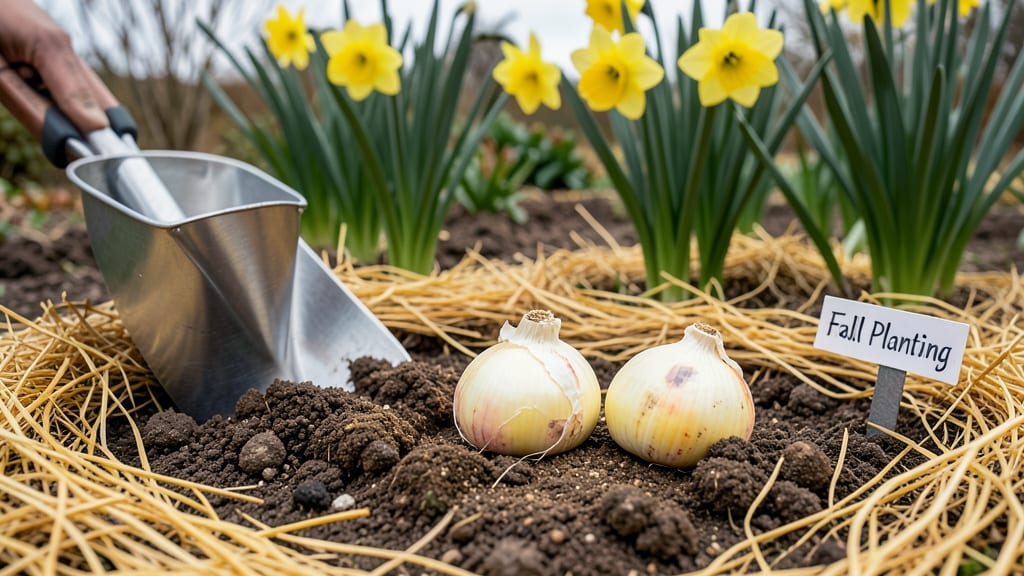
Planting daffodil bulbs in Southern California might seem tricky with its mild winters, but timing is everything to avoid soggy bulbs or missed blooms. The key is knowing when to tuck those 🌼 beauties into the ground—too early, and they’ll rot; too late, and spring’s vibrant displays might never arrive.
In USDA zones 9b-11, your best bet is late fall, between October and December, when soil temps drop to 50-60°F. Coastal areas like Santa Barbara can plant a little later, while inland desert regions should aim for early October to beat any lingering heat.
Why does this matter? Because Southern California’s microclimates—from frost-free coastal breezes to inland heat pockets—mean one-size-fits-all advice won’t cut it. I’ll break down the exact windows for your region, plus soil prep tricks to guarantee those cheerful blooms pop up right on schedule.
Ready to skip the guesswork? Let’s dive into the zero-frost planting strategy that’ll have your garden bursting with color come spring—without the stress.
Optimal daffodil planting windows by Southern California region (with frost risk zones)
Southern California’s diverse microclimates create unique challenges for daffodil planting. While most regions enjoy zero frost risk, coastal areas like Santa Barbara can experience light frosts (28-32°F), while inland deserts like Palm Springs stay frost-free year-round. Understanding these variations ensures your daffodil bulbs thrive without premature blooming or rot.
For zero-frost success, aim to plant when soil temperatures consistently reach 50-60°F. This typically falls between October and December, but timing shifts dramatically depending on your specific USDA Zone 9-11 location.
Coastal regions should plant earlier (late September-October) to avoid potential late frosts, while desert areas can wait until November-December.
Pro Tip: Use a soil thermometer to confirm ideal planting temps. Daffodils need 6-8 weeks of cool soil to establish roots before winter. In Zone 10-11, this means planting by mid-November at the latest to ensure vibrant spring blooms.
| Region | USDA Zone | Frost Risk | Ideal Planting Window | Soil Temp Goal | Microclimate Notes |
|---|---|---|---|---|---|
| Coastal (Santa Barbara, San Diego) | 9b-10a | Light frost (28-32°F, rare) | Late Sept - Oct | 50-60°F | Humid air; amend soil with sand for drainage |
| Inland Valleys (Los Angeles, Riverside) | 9b-10b | None (30°F+ rare) | Oct - Nov | 50-60°F | Warmer nights; plant deeper (8" depth) |
| Desert (Palm Springs, Joshua Tree) | 10a-11 | None | Nov - Dec | 55-65°F | Hot days; water deeply post-planting |
| Mountain Foothills (Altadena, Big Bear) | 8b-9a | Moderate frost (25-28°F) | Sept - Early Oct | 45-55°F | Cooler temps; use frost cloth if late |
In coastal regions, where humidity lingers, focus on well-draining soil to prevent bulb rot. Amend heavy clay with compost and perlite to create an airy mix. For inland valleys, where nights stay warm, plant bulbs deeper (8 inches) to protect them from temperature swings.
Desert gardeners should prioritize deep watering after planting to encourage root growth before winter rains arrive.
For mountain foothills, where frosts occasionally dip below 28°F, choose frost-hardy varieties like 'Ice Follies' or 'Tête-à-Tête'. These miniature daffodils bloom earlier and tolerate cooler temps better than standard types. Always plant at least 6 weeks before your area’s average first frost date, even in mild zones.
Pre-planting prep is critical. Work bone meal (5 tbsp per 10 sq ft) into the soil to provide phosphorus for root development. In urban gardens with compacted soil, consider raised beds filled with 50% native soil and 50% compost.
This ensures bulbs get the oxygen-rich environment they need to establish before winter.
After planting, mulch heavily (3-4 inches) with straw or wood chips to insulate bulbs from temperature fluctuations. In desert areas, this mulch layer also helps retain precious moisture. Avoid synthetic mulches that can trap heat—stick to organic options that break down slowly and improve soil structure over time.
Monitor your daffodils' progress by marking planting locations. In Zone 10-11, you’ll see shoots emerge as early as January, while coastal plantings may not sprout until February. This delay is normal—patience is key for zero-frost success.
Remember:
How to time daffodil bulbs for peak spring blooms (and avoid common mistakes)
Timing your daffodil bulbs for Southern California means balancing soil temperatures and variety maturity. Early bloomers like 'Tête-à-Tête' need 12-14 weeks of chill, while late varieties such as 'Ice Follies' require 16-18 weeks.
Without proper timing, you might end up with blooms arriving after your spring frost window—or worse, no blooms at all.
Most gardeners in USDA zones 9b-11 plant between October and December, but your exact timing depends on elevation and microclimate. Coastal areas can wait until late November, while inland desert regions should plant by early October to avoid summer heat stress.
I’ll walk you through how to adjust for your specific zone and daffodil variety.
Key mistake #1: Planting too shallow or deep. Bulbs should sit 6-8 inches deep, with the neck above soil level. Too shallow, and they’ll rot; too deep, and blooms struggle to surface. Pair this with well-draining soil to prevent soggy bulbs in Southern California’s occasional winter rains.
- 1. Choose your variety: Early bloomers (e.g., 'Jack Snipe') need 12-14 weeks of chill; late bloomers (e.g., 'Thalia') need 16-18 weeks. Count backward from your target bloom date (March-May).
- 2. Adjust for elevation: Add 1 week of chill time for every 1,000 feet above sea level. Mountainous areas like Big Bear may need earlier planting.
- 3. Soil temperature check: Wait until soil cools to 50-60°F (use a soil thermometer). Coastal areas hit this by mid-October; inland deserts may need to wait until November.
- 4. Planting depth: Dig holes 6-8 inches deep, with the bulb’s neck 2 inches above soil. Use a well-draining mix (sand + compost) to prevent rot.
- 5. Watering schedule: Water deeply once planted, then monthly in winter. Avoid overwatering—daffodils hate soggy roots.
- 6. Bloom forecast: Use this timeline for 6 popular varieties:
- 'Tête-à-Tête': 12 weeks → Blooms late March
- 'Ice Follies': 16 weeks → Blooms mid-April
- 'Jack Snipe': 13 weeks → Blooms early April
- 'Thalia': 17 weeks → Blooms late April
- 'Carlton': 14 weeks → Blooms mid-April
- 'February Gold': 15 weeks → Blooms early May
If your daffodils fail to bloom, check for these common pitfalls: insufficient chill time, overcrowded bulbs, or poor drainage. For example, 'Ice Follies' planted in January may not get enough cold exposure, while 'Tête-à-Tête' planted in December might bloom too early and get heat-stressed.
Adjust your planting window by 2-4 weeks if blooms arrive late.
Pro tip: Mark your planting date and variety on a garden map. This helps track progress and troubleshoot delays. For instance, if 'Thalia' doesn’t bloom by late April, it’s likely due to insufficient chill—try planting earlier next year.
With these adjustments, your Southern California daffodils will burst into bloom right on schedule, turning your garden into a springtime spectacle without the guesswork. Happy planting! 🌼