
Plants
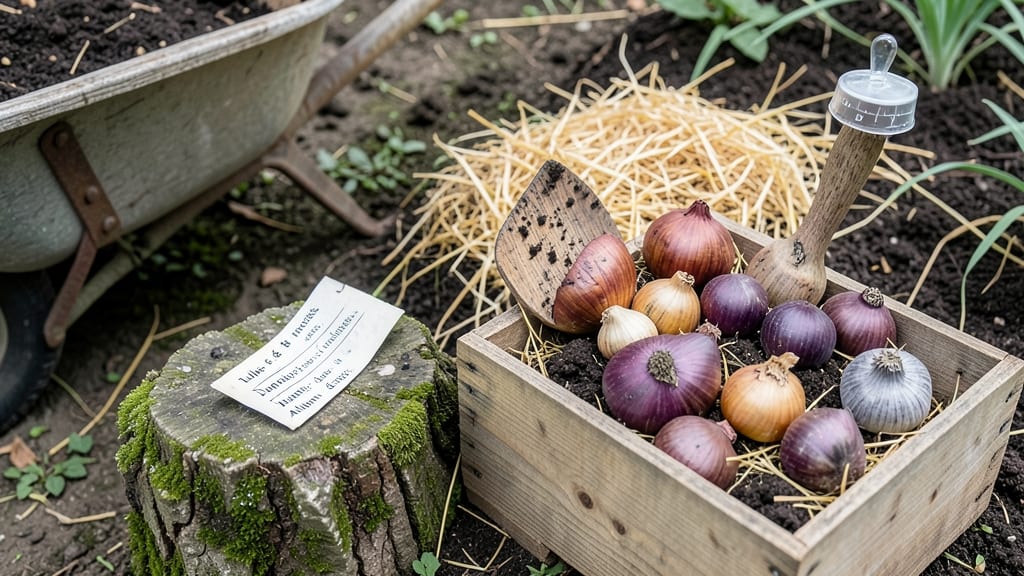
Timing your bulb planting in Portland, Oregon isn’t just about the calendar—it’s about beating frost, avoiding soggy soil, and giving those 🌷 beauties the perfect start. Plant too early, and winter’s chill can stunt their roots; too late, and they’ll miss their chance to bloom.
But here’s the good news: with Portland’s Zone 8a climate, you’ve got a 6-week window every fall to get it right.
Most gardeners in Portland focus on fall planting for spring bloomers like tulips and daffodils, but did you know some varieties—like alliums and crocuses—thrive when planted in early spring? The key is understanding your local frost dates and soil conditions.
I’ll break down the exact months to plant, plus how to adjust for Portland’s microclimates, so you can enjoy vibrant blooms year after year without the guesswork.
Whether you’re a first-time bulb planter or a seasoned gardener, these insights will help you avoid common mistakes like overwatering or planting too shallow. You’ll learn how to prep your soil, choose the right varieties for Portland’s mild winters, and even extend your blooming season with a few simple tricks.
Let’s get those bulbs in the ground at the perfect time!
Ready to transform your garden into a springtime spectacle? By the end of this guide, you’ll know exactly when to plant each type of bulb—from September’s early starters to November’s latecomers—so you can enjoy a burst of color that starts in March and lasts well into June.
No more missed deadlines, no more wilted dreams—just perfect timing for Portland’s most reliable blooms.
Portland bulb planting calendar: exact months for spring vs fall bloomers
Portland’s USDA Zone 8a/8b climate means bulbs need precise timing to thrive. Spring-flowering bulbs like tulips and daffodils must be planted in fall, while fall-planted varieties like alliums and crocuses go in late summer to early fall.
Missing these windows risks frost damage or poor root growth. Here’s your exact schedule, tailored to Portland’s first frost (mid-October) and last frost (mid-April).
For spring bloomers, aim to plant 6-8 weeks before ground freezes—typically mid-September to mid-October. This gives roots time to establish before winter. Fall-planted bulbs, like snowdrops and grape hyacinths, can handle cooler soil and go in August through early November.
The key is soil temperature: bulbs root best when temps are 60°F (15°C) but above freezing.
| Bulb Type | Planting Window | Soil Temp Trigger | Critical Deadline | Portland Notes |
|---|---|---|---|---|
| Tulips, Daffodils, Hyacinths | Mid-September to mid-October | 50-60°F (10-15°C) | Before first frost (Oct 15) | Plant 6" deep; mulch after planting to insulate. |
| Alliums, Crocuses, Snowdrops | Late August to early November | 40-50°F (4-10°C) | Before ground freezes (Nov 1) | Dwarf varieties (e.g., crocuses) can handle partial shade. |
| Late Bloomers (Lilies, Fritillaries) | January to early February | 45-55°F (7-13°C) | Before spring rains peak (Feb 15) | Wait until soil is workable but not soggy. |
| Summer Bloomers (Dahlias, Gladiolas) | March to April | 55-65°F (13-18°C) | After last frost (April 15) | Soak bulbs 24 hours before planting for faster growth. |
Your last chance for spring bloomers is mid-October. After that, bulbs won’t root deeply enough to survive Portland’s wet winters. For fall-planted bulbs, extend your window to early November—just don’t wait until the ground freezes.
Use a soil thermometer to check temps: aim for 50°F (10°C) or warmer for tulips and daffodils.
Pro tip: Mulch after planting with 3-4 inches of straw or shredded leaves to protect bulbs from temperature swings. In urban areas, heat from pavement can delay frost—adjust deadlines 1-2 weeks later if you’re near concrete. Rural spots with cooler microclimates may need earlier planting.
If you miss the fall window, January-February is your backup for late bloomers like lilies. These varieties tolerate cooler soil but still need 6 weeks before blooming. For example, grape hyacinths planted in late October will bloom in March-April, while tulips planted in September peak in April-May.
Portland’s wet springs can drown bulbs if planted too shallow. Always dig holes 2-3 times the bulb’s height—6" for tulips, 8" for daffodils. Add a layer of gritty soil (like sand or perlite) at the bottom to improve drainage.
This is especially critical in clay-heavy soils common in Portland’s outer neighborhoods.
For container gardening, plant bulbs in well-draining pots with fast-draining mix. Use a terracotta pot (not plastic) to prevent root rot. Water deeply once a week in fall and reduce to monthly in winter.
Containers warm up faster in spring, so move pots to shade if temps exceed 75°F (24°C).
Watch for squirrels and voles, which love tulip bulbs. Bury bulbs deeper than usual (8-10") or use wire mesh cages in high-risk areas. If you’re planting daffodils, their bitter scent deters rodents—a natural deterrent for Portland gardens.
Mark planting spots with stakes or flags to avoid digging into them later.
Timing isn’t just about months—it’s about moon phases too. Planting bulbs during a waxing moon (when the moon is growing) encourages root growth. Check a lunar calendar for Portland’s phases; aim for <
How to adjust planting time for Portland’s microclimates (urban vs rural)
Ever notice how your neighbor’s tulips bloom weeks before yours? That’s likely due to Portland’s microclimates—tiny but critical differences in urban heat islands, elevation shifts, and wind exposure that can push planting windows by 2-4 weeks.
In the city, pavement and buildings trap heat, while rural areas stay cooler. Here’s how to fine-tune your schedule for zero-frost success.
Start by checking your local frost dates. Urban Portland averages mid-October for last frost, but rural spots near the Willamette Valley foothills can freeze 2 weeks earlier.
For late bloomers like fritillaries or lilies, this means delaying fall planting by 2 weeks in rural zones to avoid winter die-off.
🌱 numbered-highlights
- 📍 Urban Heat Islands: Plant tulips and daffodils 2 weeks later (late October) than rural areas—soil stays 5°F warmer in cities.
- 🏔️ Elevation Adjustments: Add 1 week to planting for every 500 ft above sea level (e.g., Sauvie Island vs. Hillsdale).
- 💨 Wind Exposure: Shelter fritillaries and hyacinths with mulch or windbreaks—exposed areas lose 10% more heat overnight.
For rural gardeners, aim to plant spring bulbs by October 15—but shift to October 22 if your yard sits above 400 ft elevation. Use soil thermometers ($10 at garden centers) to confirm 50°F soil temps before planting; rural soils hit this 1 week earlier than urban spots.
Pro tip: Test your microclimate by planting a test row of crocuses in September. If they bloom 3+ weeks early, you’re in a heat-island zone—delay other bulbs by 10 days.
For windy rural areas, add 3 inches of straw mulch to insulate bulbs during January freezes.
Don’t overlook late-season bloomers like rain lilies or autumn crocuses. In urban areas, plant these by November 1; in rural zones, wait until November 15. These varieties thrive in cooler fall soil, so rushing them risks rot from excess moisture.
By adjusting for your specific microclimate, you’ll match your neighbor’s bloom times—or even beat them. Start with these tweaks, and soon your garden will be the first to show color in spring! 🌸