
Plants
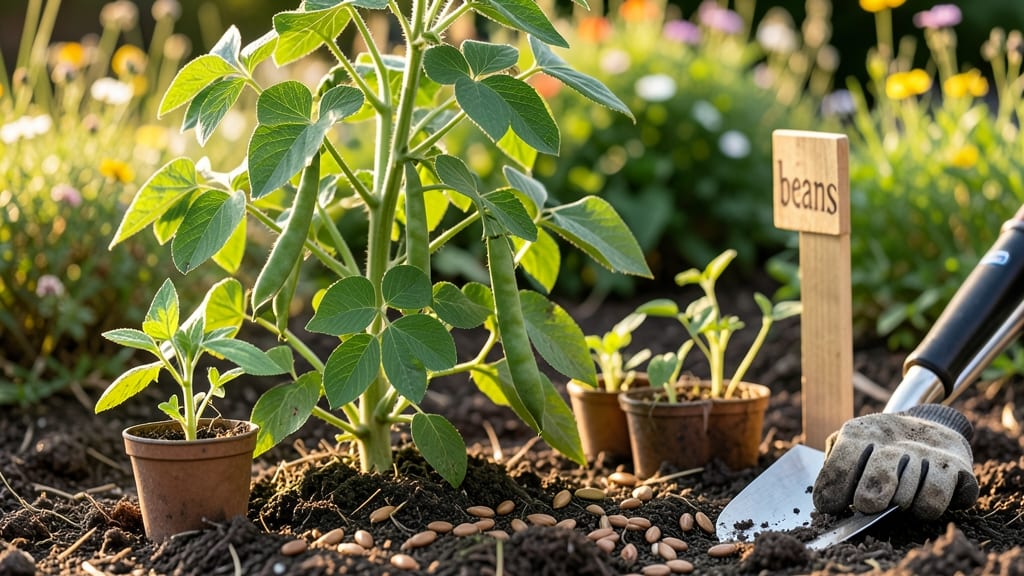
Planting beans at the wrong time in Indiana can mean the difference between a fast, bountiful harvest and weeks of waiting for stubborn seeds to sprout—or worse, watching them rot in cold soil.
The key to success lies in understanding when your garden soil reaches that sweet spot of 60°F or warmer, which triggers quick germination.
For most Indiana gardeners in Zone 6a, the ideal window opens around April 15—just after the last frost—though exact timing depends on your microclimate. Northern Indiana may need to wait until early May, while southern regions can start as early as late April.
The goal? Get those seeds in the ground when the earth is warm enough to work with, not against you.
I’ve learned the hard way that rushing beans into cold soil leads to slow starts, stunted growth, and even disease. But with the right approach—like using black plastic mulch to warm the soil faster—you can shave weeks off the growing season and enjoy fresh pods by July.
Let’s break down exactly how to time it right for your Indiana garden.
Whether you’re growing bush beans for quick harvests or pole beans for a steady supply, mastering this timing will make all the difference. Ready to turn your bean patch into a productivity powerhouse? Let’s get started.
Optimal planting dates for beans in Indiana based on soil temperature
Indiana’s USDA Zones 5-6 mean beans need warm soil to germinate quickly—55°F+ for sprouting and 60°F+ for vigorous growth. Planting too early in cold soil leads to rot or stunted plants, while waiting too long risks pests and disease.
Here’s how to pinpoint the perfect window for bush beans, pole beans, and snap peas across Indiana’s microclimates.
Northern Indiana (e.g., Gary, South Bend) has later frost dates (average May 10 last frost), while southern Indiana (e.g., Louisville, Evansville) warms up 2-3 weeks earlier. Soil temperature is the real trigger—don’t rely solely on frost dates.
Use a soil thermometer to confirm warmth before planting, especially for heat-sensitive varieties like Kentucky Wonder pole beans.
Bush beans (e.g., Blue Lake) are the fastest to mature—50-60 days—so they can handle late-May plantings if soil is warm. Pole beans (e.g., Rattlesnake) take 60-75 days and need a longer growing season, making early May ideal in southern Indiana. Snap peas (e.g., Sugar Snap) are cooler-tolerant but still prefer 50°F+ soil.
| Bean Type | Optimal Planting Window (Indiana) | Soil Temp Requirement | Days to Maturity | Notes |
|---|---|---|---|---|
| Bush Beans (e.g., Blue Lake) | Late April–early June (after last frost) | 60°F+ (minimum 55°F) | 50–60 days | Fastest grower; plant in succession every 2 weeks for continuous harvest. |
| Pole Beans (e.g., Rattlesnake) | Early May–mid-June (soil 60°F+) | 60°F+ (needs warmth for vines) | 60–75 days | Requires trellis support; plant in warmer microclimates first. |
| Snap Peas (e.g., Sugar Snap) | Early April–mid-May (soil 50°F+) | 50°F+ (cooler-tolerant) | 60–70 days | Plant early for spring harvest; avoid summer heat. |
| Indiana Microclimate Adjustments | ||||
| Northern IN (Zone 5) | Wait until May 10–20 (soil 60°F+) | Use black plastic mulch to warm soil faster. | — | Choose early-maturing varieties (e.g., Contender). |
| Southern IN (Zone 6) | April 15–May 10 (soil 55°F+) | Can plant 2 weeks earlier than north. | — | Extend season with row covers for late plantings. |
How to test soil warmth and adjust planting for faster germination
Testing your soil's warmth before planting beans is the secret to beating Indiana's unpredictable spring weather. A simple soil thermometer ($10 at garden centers) gives you precise readings, but even without one, you can use your finger—if the soil feels cold and damp 2 inches deep, it's not ready.
I always aim for 60°F or warmer for consistent germination, especially for heat-loving varieties like Kentucky Wonder pole beans.
For gardeners eager to start early, black plastic mulch is my go-to trick. Lay it down 2-3 weeks before planting to raise soil temperatures by 5-10°F. I've seen it cut germination time from 14 days to just 7!
Just remember to remove it after planting to prevent overheating. Another pro move? Use row covers on cool nights to create a mini greenhouse effect.
🌱
⚠️ Warning: Don't Rush!
Planting beans in cold soil below 55°F triggers rot and fungal diseases. Even if your local forecast says "last frost passed," check soil temps—Indiana's nighttime chills can linger.
I once lost an entire row of Provider beans because I trusted the calendar over the thermometer. Always wait for 3 consecutive days above 60°F before sowing.
Seed soaking is another game-changer for speeding up germination. Soak your bean seeds in lukewarm water for 4-6 hours before planting—this jumpstarts hydration and can reduce germination time by 2-3 days. I prefer using a seedling heat mat ($25) for indoor starts or extending my season by 2 weeks.
These mats keep soil temps at 75-80°F, perfect for tropical bean varieties like Scarlet Runner.
Comparing traditional planting to early sowing with heat mats reveals dramatic differences. Traditional methods rely on waiting for natural soil warming, which in Indiana's Zone 6a typically means late April to early May.
But with heat mats, I've successfully planted bush beans in mid-April and enjoyed harvests by early July—weeks ahead of schedule. The trade-off? Heat mats require daily monitoring to prevent overheating above 85°F.
For container gardeners, dark-colored pots absorb more sunlight and warm faster than white ones. I use black nursery pots and place them on south-facing decks to maximize heat absorption.
This trick works especially well for dwarf varieties like Blue Lake Bush, which thrive in compact spaces. Just ensure pots have drainage holes—waterlogged soil is beans' worst enemy.
Remember, every degree counts. A 5°F difference in soil temperature can mean the difference between 7-day germination and 2-week struggles. Invest in a soil thermometer, monitor daily, and don't be afraid to adjust your planting timeline. Your future harvest will thank you.
☀️