
Plants
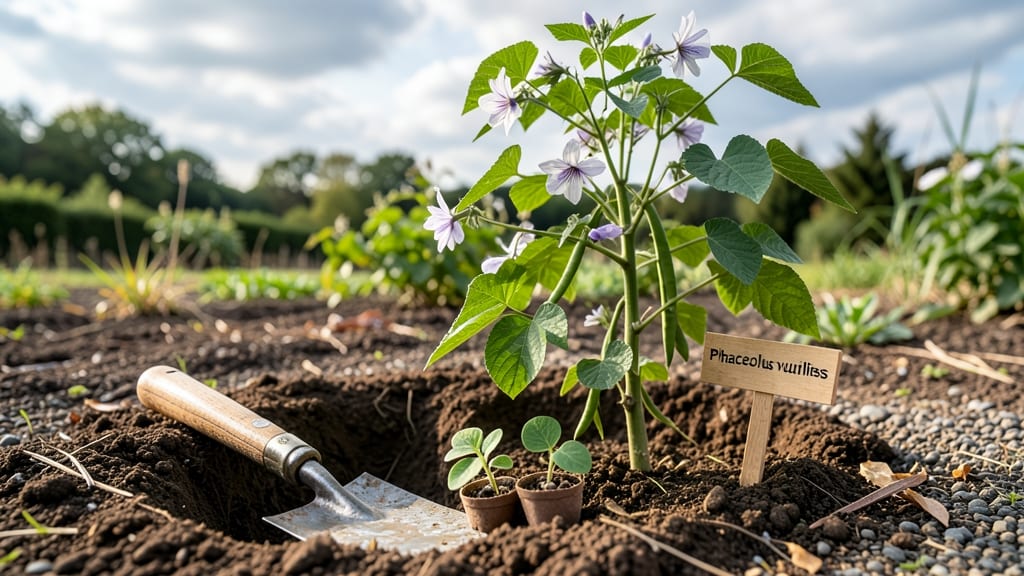
Planting beans in Iowa at the wrong time can mean the difference between a bumper crop and a sad, frost-nipped failure—so when exactly should you get those seeds in the ground for the best results?
With Iowa’s 5a-6b climate, your planting window is tight: too early and a late frost will wipe out tender seedlings, while sowing too late cuts your harvest short.
The ideal time to start is after the last frost, typically around mid-April, but soil temperature matters just as much as the calendar.
Whether you’re growing bush beans or pole varieties, timing isn’t just about the date—it’s about heat, soil prep, and even the moon phase (yes, really!). I’ll break down the exact windows, soil tricks, and variety-specific tips to help you maximize your 🌱 harvest from July through September.
Skip the guesswork and learn how to align your planting with Iowa’s unpredictable weather for a garden full of snap beans, shelling beans, and everything in between.
Iowa bean planting calendar: frost-free dates by bean variety
Iowa’s USDA Zones 5a-5b mean your bean planting timeline hinges on last frost dates that typically arrive between April 15-30. However, beans—especially heat-loving varieties—need soil temperatures above 60°F to germinate properly. Waiting until mid-May ensures both frost safety and ideal growing conditions for most varieties.
For bush beans, which mature quickly (50-60 days), you can start sowing as soon as the soil warms, even if frost lingers nearby. Pole beans, with their longer growing season (60-75 days), benefit from a slightly later start to maximize their climbing potential before Iowa’s first fall frost (October 15).
Specialty beans like black beans and pinto beans require even more warmth—plant these after May 15 to avoid stunted growth. Meanwhile, lima beans, Iowa’s heat-loving superstars, should wait until late May or early June when nighttime temperatures consistently stay above 65°F.
Here’s your Iowa bean planting calendar, broken down by variety and adjusted for early/late seasons to maximize yields:
| Variety | Ideal Planting Window | Soil Temp Requirement | Days to Maturity | Notes for Iowa |
|---|---|---|---|---|
| Bush Beans (e.g., Blue Lake) | April 25 - May 15 | 60°F+ | 50-60 days | Fast-growing; great for succession planting every 2 weeks. |
| Pole Beans (e.g., Kentucky Wonder) | May 1 - May 30 | 65°F+ | 60-75 days | Needs trellis; plant later for longer harvest window. |
| Black Beans | May 15 - June 1 | 70°F+ | 70-80 days | Heat-sensitive; avoid early planting. |
| Pinto Beans | May 20 - June 10 | 68°F+ | 75-85 days | Drought-tolerant; ideal for dry Iowa summers. |
| Lima Beans (Bush) | June 1 - June 15 | 75°F+ | 80-90 days | Wait until after June 1 for best results. |
For early-season planting, use row covers to protect seedlings if frost threatens after sowing. Conversely, late-season plantings (June 15+) work well for heat-loving varieties like lima beans, which thrive in Iowa’s July-August heat.
Pro tip: Test your soil temperature with a soil thermometer—beans won’t germinate below 55°F, even if frost-free. Aim for 60°F+ for reliable sprouting, especially in northern Iowa (Zone 5a), where soils warm slower.
Adjust your planting schedule based on Iowa State University’s frost predictions (available via their Climate Database) or local Cooperative Extension offices. For example, if your area had an early frost in 2023, push pole beans back to mid-May to avoid stunted vines.
Remember: Succession planting every 2 weeks after your initial sowing ensures a continuous harvest through Iowa’s July-September growing season. This works especially well for bush beans, which mature quickly.
🌱Key takeaway: Bush beans = April 25-May 15, pole beans = May 1-May 30, specialty beans = May 15-June 15. Always prioritize soil temperature over frost dates—your beans will thank you with bigger yields!
How to adjust planting times for Iowa’s unpredictable weather patterns
Iowa’s variable climate can turn a perfect planting window into a guessing game. One year, you’ll enjoy a long, frost-free summer, while the next brings late spring freezes or early fall chills.
The key to success? Flexibility. By combining soil warming tricks, cold-tolerant varieties, and succession planting, you can stretch your bean harvest—even when Mother Nature throws curveballs.
First, check your local frost dates from the Iowa State University Extension or NOAA Climate tools. While the average last frost hovers around April 15, I’ve seen it shift two weeks earlier or later in my own garden.
Use these dates as a starting point, not a rule. For example, if your soil stays cold past mid-April, delay planting until the ground reaches 60°F—critical for bean germination.
⚠️ Late Planting Pitfall
Don’t wait until June 1 to plant beans—you’ll sacrifice yield. If frost threatens before harvest, opt for fast-maturing varieties (50–55 days) like 'Blue Lake Bush' or 'Provider'. For pole beans, 'Kentucky Wonder' can handle cooler temps better than 'Rattlesnake'.
To warm cold soil faster, use black plastic mulch or clear row covers. Lay them down 2–3 weeks before planting to raise soil temps by 5–10°F. I’ve also had success with straw bales placed alongside rows—just remove them once seeds are in the ground.
For container gardens, use dark-colored pots or wrap them in bubble wrap to absorb heat.
For succession planting, sow a second crop every 2 weeks until June 15. This ensures a steady harvest even if the first planting gets hit by heat stress or pests.
Choose a mix of bush and pole beans: bush beans mature faster (60 days) while pole beans (70+ days) climb and produce longer. In my garden, I plant 'Tendercrop' bush beans first, followed by 'Blue Lake Pole' for a staggered yield.
Monitor weekly forecasts from the National Weather Service and adjust timing if unseasonable cold is predicted. For example, if a 50°F night is forecasted after planting, cover seedlings with floating row covers or old bedsheets.
I’ve saved entire rows this way—just secure the edges with bricks or soil to prevent wind damage.
Finally, test your soil for pH (aim for 6.0–7.0) and add compost or aged manure to improve drainage. Beans are nitrogen-fixers, so avoid over-fertilizing—too much nitrogen leads to leafy growth with few pods. Instead, focus on phosphorus and potassium for strong roots and disease resistance.