
Plants
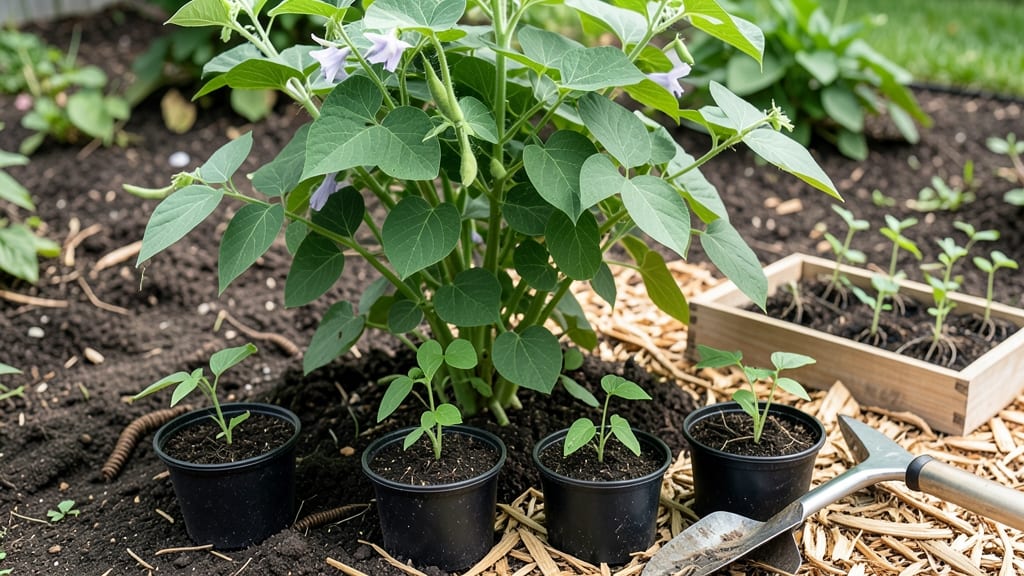
Planting beans in Zone 6 at the wrong time can turn your garden dreams into a sad, wilted mess—especially when late frosts or summer heat sneak up on you.
The key to a thriving crop lies in knowing exactly when to drop those seeds into warm soil after the last frost has passed.
I’ve learned the hard way that rushing beans into cold ground or waiting too long means missing out on that sweet, tender harvest we all crave.
In Zone 6, your window is tight—between April 15 and June 1, when soil finally warms to 60°F—but getting it right unlocks a summer of fresh, homegrown 🌱 goodness.
Whether you’re growing bush beans for quick snacks or pole beans for a climbing garden treasure, timing matters. I’ll break down the best planting dates for your favorite varieties, plus smart tricks to protect your crop from Zone 6’s unpredictable weather twists.
Ready to turn your garden into a bean bonanza? Let’s dive into the exact steps to plant, nurture, and harvest beans like a pro—no guesswork, just green thumbs.
Best planting times for beans in Zone 6 by variety (cool vs. warm season)
In Zone 6, where last frost dates can vary from mid-April to early May, timing your bean planting correctly ensures strong germination and a full harvest before summer heat sets in.
Beans thrive in warm soil (above 60°F) but can be damaged by late frosts—so knowing your variety type (bush, pole, or snap) changes everything. Cool-season beans like snap peas need early starts, while warm-season varieties like pole beans prefer the heat.
For Zone 6 gardeners, the ideal window spans from April 15 to June 1, but adjustments are key. Bush beans, for example, mature quickly (50-60 days) and can handle cooler soils, while pole beans need consistent warmth and longer growing seasons.
Let’s break down the best planting times by variety to maximize your harvest potential.
🌱 Summary Table: Best Planting Times for Beans in Zone 6
Bush beans are your early-season champions in Zone 6. Plant them 2-3 weeks after your last frost (typically April 15), once soil temperatures hit 60°F. Varieties like 'Blue Lake' or 'Provider' mature in 50-60 days, giving you a harvest by late June.
Their compact size makes them perfect for small gardens or containers, and they tolerate cooler soils better than other types.
Pole beans, however, demand warmer conditions and a longer season. Wait until after May 1 to plant varieties like 'Kentucky Wonder' or 'Rattlesnake', when soil temperatures are consistently 65°F+.
These vining plants need 60-70 days to reach harvest, so aim for a June 1 start to avoid autumn frosts. Provide a trellis or sturdy fence—they’ll climb 6-8 feet!
Don’t overlook snap peas for early harvests. These cool-season plants thrive when planted March 15-April 15, even before your last frost. Varieties like 'Sugar Snap' or 'Oregon Sugar Pod' tolerate light frosts and produce sweet pods in 60-70 days.
They’re ideal for succession planting—sow seeds every 2 weeks for continuous harvests through June.
For late-season success, consider Lima beans. These heat-lovers need soil at 70°F+, so plant them May 15-June 10. Varieties like 'Fordhook' take 70-85 days to mature, making them perfect for late summer harvests (August-September).
Their longer growing season means you’ll miss out if planted too early—wait until the soil is thoroughly warmed.
Pro tip: Use a soil thermometer to check temperatures before planting. Beans won’t germinate well in cold soil, and waiting a few extra days for ideal conditions pays off with stronger plants.
In Zone 6, where nights can still dip below 50°F in May, protect young seedlings with row covers or plant
How to adjust planting dates for Zone 6’s unpredictable frost risks
Zone 6 gardeners know all too well that late spring frosts and early autumn chills can wreak havoc on bean crops. Even after you've planted your beans at the ideal time, Mother Nature can throw curveballs.
The key to success? Flexibility and preparation. By using succession planting, season-extending tools, and heat-tolerant varieties, you can protect your hard work and still enjoy a bountiful harvest.
First, understand that Zone 6's frost dates can vary by 1-2 weeks from year to year. While the average last frost date is around April 15, some years it may linger until May 1.
Similarly, the first frost can arrive as early as October 1 in some locations. This variability means you need strategies to extend your growing season and safeguard your beans from unexpected cold snaps.
Frost Risk Warning for Zone 6 Beans
Even with perfect timing, late frosts can kill young bean plants within hours. Here's what you must do to protect your crop:
- 🌱 Monitor frost forecasts via local ag extensions or apps like Frost Alert.
- 🌡️ Use row covers (lightweight fabric) when temps drop below 40°F.
- ⏰ Plant heat-tolerant varieties like 'Provider' or 'Blue Lake'—they handle 90°F+ temps better.
- 📅 Stagger plantings every 2 weeks for a continuous harvest.
One of the most effective strategies is succession planting. Instead of planting all your beans at once, divide your seeds into 2-3 batches and plant them 2 weeks apart. This ensures that even if an early frost hits, not all your plants will be lost.
For example, if your first planting goes in on May 1, follow up with another on May 15 and a final batch on May 30. This way, you'll have beans at different stages of growth, increasing your chances of a successful harvest.
For those late-season risks, consider using row covers or cold frames to protect your plants. Lightweight row covers can raise soil temperatures by 5-8°F and shield young plants from light frosts. You can also use black plastic mulch to warm the soil faster in spring.
Another trick is to plant beans near taller plants like corn or sunflowers, which can create a microclimate that's slightly warmer and more protected from wind.
Choosing the right bean varieties can also make a big difference. Heat-tolerant varieties like 'Kentucky Wonder' or 'Romano' can handle the hot summer temperatures common in Zone 6. These varieties also tend to mature faster, giving you a better chance of harvesting before the first frost.
If you're growing pole beans, opt for varieties with a shorter maturity time, such as 'Blue Lake Bush', which typically reaches harvest in 50-55 days.
Finally, pay attention to soil temperature—beans won't germinate well in cold soil. Wait until the soil reaches at least 60°F before planting. You can use a soil thermometer to check, or simply press your hand into the soil; if it feels warm to the touch, it's ready.
If you're in a cooler microclimate within Zone 6, consider starting your seeds indoors 4-6 weeks before your last frost date to give them a head start.
With these strategies, you can adjust your planting dates to account for Zone 6's unpredictable frost risks and still enjoy a plentiful bean harvest all season long.
The key is to stay flexible, monitor your local conditions, and be ready to act quickly if the weather takes a turn for the worse. 🌱