
Plants
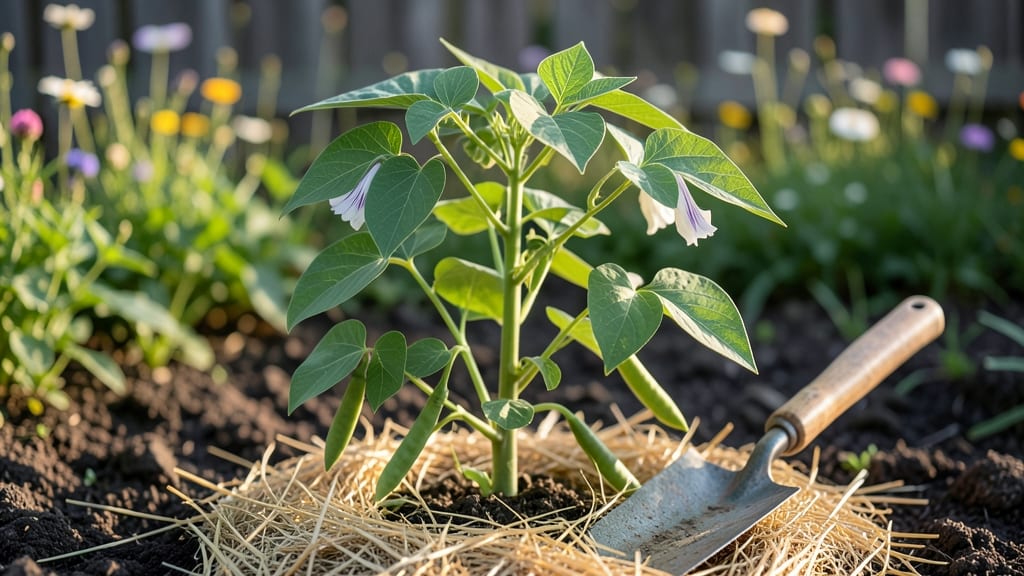
Timing your bean planting in Southern California can make or break your harvest—get it right, and you’ll enjoy fresh, homegrown 🌱 pods all season long. Unlike northern gardens, SoCal’s frost-free climate means you can grow beans year-round, but heat waves and soil conditions still play a critical role in success.
Most gardeners in zones 9b-11 plant beans twice a year: once in early spring and again in fall. The key is avoiding extreme summer heat, which can stress seedlings, and ensuring soil temperatures stay above 60°F for optimal germination.
Whether you’re growing bush beans for quick harvests or pole beans for continuous yields, the right planting window is everything.
In this guide, I’ll walk you through the exact months to plant beans in Southern California, including microclimate tips for coastal vs. inland areas. You’ll also discover how to extend your growing season with shade strategies and watering hacks—perfect for urban gardeners with limited space or containers.
Ready to grow beans that thrive in SoCal’s heat? Let’s dive into the best planting calendar and pro tips to guarantee a bountiful harvest, no matter where you live in the region.
Southern California heat zones: which bean varieties thrive in your microclimate?
Southern California’s climate is famously diverse, with coastal areas enjoying mild temperatures and inland desert zones baking under intense sun.
These microclimates create distinct heat zones that dictate when and what types of beans you should plant. Coastal regions like San Diego and Santa Barbara stay cooler year-round, while inland areas like Palm Springs and the Coachella Valley experience 100°F+ temperatures during summer.
Understanding your zone helps you avoid heat stress in seedlings or missed growing windows.
For coastal gardeners, the USDA Zone 9b-10 climate allows for year-round bean production with minimal frost risk. Meanwhile, inland desert zones (10a-11) demand heat-tolerant varieties that thrive in dry, hot conditions. The key difference?
Coastal areas can grow bush beans almost anytime, while inland growers rely on pole beans that climb and stay cooler off the ground. Let’s break down the best varieties for each zone.
| Heat Zone | Best Varieties | Planting Window | Key Notes |
|---|---|---|---|
| Coastal (Zone 9b-10) | Blue Lake, Contender, or Bush Blue Lake | Feb-Mar or Sep-Oct | Cool nights, low heat stress; ideal for bush types |
| Inland Desert (Zone 10a-11) | Rattlesnake Pole, Kentucky Wonder, or Scarlet Runner | Aug-Sep or late Oct | Heat-tolerant; pole beans climb to escape ground heat |
| Transitional (Zone 9a) | Provider Pole or Black Valentine | Feb-Mar or Sep | Adaptable to mild heat; good for inland edges |
Coastal gardeners should focus on bush bean varieties like Blue Lake, which mature quickly in 50-60 days and handle the mild coastal summers. These varieties thrive in 60-75°F soil temperatures, making them perfect for February-March or September-October plantings. The cooler coastal air also reduces pest pressure, like Mexican bean beetles, which love inland heat.
In contrast, inland desert zones demand pole beans that can withstand 90°F+ daytime temps and cool nighttime drops. Varieties like Rattlesnake Pole beans grow 10-15 feet tall, lifting foliage away from the scorching ground.
Plant these in late summer (August-September) to avoid the peak heat of July, or opt for a fall planting in October to extend harvests into winter.
If you’re in a transitional zone like Los Angeles or Riverside, you can grow both bush and pole beans, but timing is critical. Spring plantings (February-March) work well for bush beans, while pole beans should be sown in late summer to avoid wilting during the hottest months.
Always check your local microclimate—even a few miles inland can mean 10°F hotter soil temperatures.
For urban gardeners in containers, stick to bush bean varieties like Contender, which thrive in 5-gallon pots with well-draining soil. These compact plants tolerate coastal breezes better than tall pole beans, which can topple in windy areas.
Add a mulch layer of straw to retain moisture and keep roots cool during coastal heatwaves, which can still push temps into the 80s°F.
One common mistake is planting heat-sensitive varieties like Romano beans in inland zones—they’ll bolt (flower prematurely) under stress. Instead, opt for heat-tolerant heirlooms like Scarlet Runner, which produce edible flowers and pods even in 110°F+ conditions.
Always harden off seedlings by gradually exposing them to direct sun over 7-10 days before transplanting.
Pro tip: Use a soil thermometer to check temperatures before planting. Beans need soil temps above 60°F to germinate, but above 85°F can cause poor seedling development. In inland zones, plant in early morning or late afternoon to reduce transplant shock from intense midday sun.
With the right variety and timing, you’ll enjoy harvests from spring to fall—no frost worries in SoCal!
Exact months to plant beans in SoCal: avoiding heat stress and frost risks
Southern California’s frost-free climate means you can grow beans almost year-round, but timing is everything to avoid heat stress or poor germination. The best planting windows focus on soil temperatures between 60-75°F, which ensures strong seedling development.
For most of SoCal, this means two primary planting seasons: early spring (February-March) and fall (September-October). Inland desert zones can add a late summer planting (August) for heat-tolerant varieties.
Unlike northern climates, you won’t need to worry about frost damage, but unpredictable heatwaves can still ruin seedlings if planted too early. Coastal areas benefit from cooler evenings, while inland zones require shade cloth or afternoon planting to protect young plants.
Let’s break down the exact months and strategies for both bush and pole beans in your specific microclimate.
- 1 Spring Planting (Coastal Zones 9b-10): Plant bush beans like Blue Lake in February-March when soil temps hit 60°F+. Avoid planting after mid-April—summer heat will stress seedlings. Use row covers if nights dip below 50°F.
- 2 Fall Planting (All Zones): Sow seeds in September-October for harvests through November-December. Soil temps should stay above 65°F for germination. Inland zones can extend this to early November with black plastic mulch to retain heat.
- 3 Late Summer Planting (Inland Zones 10a-11): Plant heat-tolerant pole beans like Rattlesnake in late August to escape peak July heat. Use drip irrigation to keep soil moist and prevent bolting from stress. Harvest before October’s cooler nights reduce growth.
- 4 Soil Prep for All Seasons: Amend soil with compost 2 weeks before planting to improve drainage. Test pH—beans prefer 6.0-7.0. Add calcium (like crushed eggshells) to prevent blossom end rot in hot weather.
- 5 Extending the Season: Use shade cloth (30-50%) for summer plantings to reduce soil temps by 10-15°F. For fall, plant successive crops every 2 weeks in September for staggered harvests. In containers, use black pots to absorb heat and keep roots warm.
For coastal gardeners, the February-March window is ideal for bush beans, as soil warms gradually without sudden heat spikes. I’ve had great success with Contender beans planted in early March—they mature in 50 days and avoid the June gloom that can slow growth.
Always monitor soil moisture during this time, as coastal breezes increase evaporation rates.
Inland zones require more precision. Pole beans like Kentucky Wonder should be sown in late August when daytime highs drop below 95°F. I’ve found that planting in early morning (before 8 AM) reduces transplant shock.
Use trellises with shade cloth to protect seedlings from afternoon sun until they’re established. For fall plantings, aim for September 15th—this gives beans 8-10 weeks of growth before cooler temps slow them down.
One of my biggest mistakes was planting Romano beans in inland Palm Springs during June. The 110°F soil temps caused the seeds to rot before sprouting. Now, I stick to heat-tolerant varieties and use soil thermometers to confirm temps are below 85°F before planting.
If you’re in a transitional zone, like Orange County, you can experiment with January plantings for bush beans—just be prepared to provide row covers if nights dip below 50°F.
To maximize your harvest, consider succession planting. In coastal areas, sow new seeds every 2 weeks from February through April for continuous pods. For inland zones, August and September plantings will give you harvests in October-November, just before winter slows growth.
Always save seeds from your best-performing plants—localized varieties adapt better to your microclimate over time.
With these exact months and strategies, you’ll avoid heat stress and frost risks while enjoying fresh beans from spring through fall. The key is adapting to your microclimate—whether you’re in cool coastal Malibu or scorching Palm Springs, the right timing and variety will guarantee success.
Happy planting! 🌱