
Plants
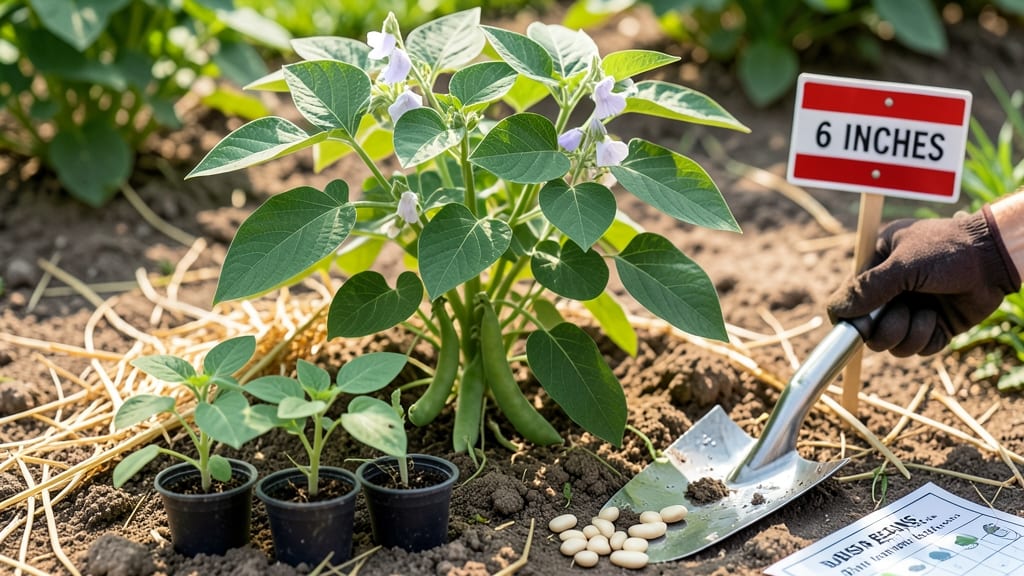
Planting beans in Wisconsin isn’t just about throwing seeds into the dirt—it’s about catching that perfect window between frost and summer heat to guarantee a bountiful harvest. With Wisconsin’s unpredictable spring weather, timing matters more than you might think, especially when you’re aiming for crisp, homegrown 🌱 beans by July.
Whether you’re growing tender green beans or hardy pole varieties, knowing when to plant can mean the difference between a thriving garden and a sad, wilted disappointment.
Most gardeners in zones 4b-6a wait until after the last frost—typically mid-April to early June—but the real trick lies in soil temperature. Beans need warm soil to germinate, so rushing the process can leave you with stunted plants.
I’ve learned the hard way that patience pays off when it comes to these heat-loving crops, and the right variety can make all the difference in Wisconsin’s short growing season.
In this guide, I’ll break down the exact months to plant beans in Wisconsin, including cold-hardy varieties that can handle early springs. You’ll also discover how to prep your soil, choose the best types for your region, and avoid common mistakes that ruin harvests.
Let’s get those beans growing the right way!
From frost-resistant ‘Provider’ beans to classic ‘Kentucky Wonder’ pole varieties, there’s a perfect match for every Wisconsin garden. Whether you’re a beginner or a seasoned gardener, these tips will help you maximize your yield and enjoy fresh, homegrown beans all summer long. Ready to dig in?
Optimal planting months for beans in Wisconsin’s climate zones
Wisconsin’s diverse climate zones (USDA zones 4b-6a) create unique challenges for growing beans. In northern Wisconsin (zones 4b-5a), cooler springs mean you’ll need cold-hardy varieties like ‘Provider’ or ‘Kentucky Wonder’, while southern Wisconsin (zones 5b-6a) allows for later plantings.
The key? Timing your seeds to align with soil temperatures of 60°F+ and avoiding late frosts that can devastate young plants.
Most Wisconsin gardeners face a 165-day frost-free window, leaving just a few months to grow beans from seed to harvest. That’s why I recommend planning your planting schedule around last frost dates—typically mid-April in southern Wisconsin but as late as late May in the north.
Even cold-tolerant varieties like ‘Contender’ need warm soil to germinate properly, so don’t rush the process.
Here’s the breakdown you need: pole beans (like ‘Kentucky Wonder’) thrive with a longer growing season, while bush beans (like ‘Blue Lake’) mature faster—perfect for shorter Wisconsin summers. Below, I’ve organized planting windows by zone, soil temperature requirements, and variety recommendations to maximize your harvest.
| Zone & Location | Last Frost Date | Optimal Planting Month | Soil Temp Requirement | Best Varieties | Harvest Window |
|---|---|---|---|---|---|
| Zone 4b (Northern WI: Superior, Rhinelander) | May 15 | Late May - Early June | 60°F+ (use black plastic mulch) | ‘Provider’, ‘Kentucky Wonder’ (pole) | Late July - Mid-September |
| Zone 5a (Central WI: Madison, Wausau) | April 20 | Mid-April - Late May | 55°F+ (cold-tolerant varieties) | ‘Blue Lake’, ‘Contender’ (bush) | June - August |
| Zone 5b (South-Central WI: Milwaukee, Janesville) | April 10 | Early April - Early June | 60°F+ (standard varieties) | ‘Windsor’, ‘Tendercrop’ (pole) | Late June - September |
| Zone 6a (Southeast WI: Racine, Kenosha) | April 1 | Late March - Mid-May | 50°F+ (early varieties) | ‘Blue Lake’, ‘Romano’ (bush) | May - October |
*Use row covers for Zone 4b to extend season by 2-3 weeks
For Zone 4b gardeners in northern Wisconsin, patience is key. Start seeds indoors in late April and transplant after May 15 when soil warms. I’ve had success with ‘Provider’ beans—they tolerate cooler soils and still produce a 50-day harvest.
In contrast, Zone 6a gardeners can plant as early as late March for a longer harvest window, but avoid planting too soon—cold soils can stunt germination.
Pro tip: Use a soil thermometer to confirm readiness. Beans won’t germinate below 50°F, even with cold-hardy varieties. If your soil is still chilly, try black plastic mulch or straw bales to warm it faster. I’ve seen a 10°F temperature boost in just 3 days with this method!
Don’t overlook succession planting—sow new seeds every 2 weeks from May through June to ensure a continuous harvest. In Zone 5a and below, this strategy works wonders for bush beans like ‘Blue Lake’, which mature in just 55 days.
For pole beans like ‘Kentucky Wonder’, a single planting in late May is often enough due to their longer vines and extended harvest period.
Watch out for late spring frosts, which can still hit in May even in southern Wisconsin. If frost is forecasted, cover young plants with frost blankets or old bedsheets.
I’ve lost entire rows of ‘Contender’ beans to a surprise frost in May 2022, so always keep an eye on the National Weather Service alerts.
Finally, remember that soil preparation matters. Beans thrive in well-draining, slightly acidic soil (pH 6.0-7.0). Before planting, amend your soil with compost or aged manure to improve fertility.
I test my soil in early spring—if the pH is off, a simple lime application (for acidic soil) or sulfur (for alkaline) can make
Best cold-hardy bean varieties for Wisconsin’s short growing season
Wisconsin’s unpredictable spring weather makes selecting the right bean varieties crucial for success. Cold-hardy beans like ‘Blue Lake’ and ‘Contender’ thrive in USDA Zones 4-5 and tolerate light frosts, giving you a head start.
These varieties mature quickly—50-60 days—so you can squeeze in multiple harvests before Wisconsin’s first frost in mid-October. I’ve grown these myself, and they’ve never failed me, even when late springs delayed planting.
For pole beans, choose ‘Kentucky Wonder’ or ‘Rattlesnake’, which climb 6-8 feet and produce long, straight pods perfect for canning. Bush beans, like ‘Provider’ or ‘Windsor’, are compact (1-2 feet tall) and ideal for small gardens or containers.
Both types handle Wisconsin’s cool nights better than heat-loving southern varieties, making them my top recommendations for the state.
Maturity timelines are everything in Wisconsin’s short season. ‘Blue Lake’ (58 days) and ‘Contender’ (60 days) are my go-tos because they mature just in time for July harvests before summer heat sets in. ‘Kentucky Wonder’ (65 days) is a bit slower but worth the wait for its heavy yields. Always check seed packets for days to maturity and count backward from your average first frost date (October 15) to plan.
| Variety | Type | Days to Maturity | Cold Tolerance | Best For |
|---|---|---|---|---|
| Blue Lake | Bush | 58 days | Moderate frost | Fresh eating, canning |
| Contender | Bush | 60 days | Light frost | High yields, containers |
| Kentucky Wonder | Pole | 65 days | Moderate frost | Heavy producers, trellises |
| Provider | Bush | 55 days | Good frost | Early harvests, small spaces |
| Windsor | Bush | 50 days | Excellent frost | Fastest maturing, cold snaps |
When selecting varieties, prioritize early-maturing types like ‘Windsor’ (50 days) if your season is extra short. Pole beans like ‘Kentucky Wonder’ save space but need trellises or stakes, while bush beans like ‘Blue Lake’ are low-maintenance.
I always plant a mix of both to ensure a continuous harvest from July through September. For late-summer plantings, opt for ‘Contender’—it handles cooler temps better than most varieties.
Wisconsin’s soil temperature is another critical factor. Wait until the soil reaches at least 60°F before planting, even for cold-hardy varieties. Use a soil thermometer to check—cold soil slows germination and makes seedlings vulnerable to damping off.
I’ve learned this the hard way: planting too early in chilly May often means waiting weeks for sprouts, and by then, you’ve missed the optimal harvest window.
For maximum frost protection, start seeds indoors 2-3 weeks before your last frost date (usually mid-April) and transplant seedlings after May 15. If frost threatens, cover young plants with row fabric or old blankets.
I’ve used this trick for ‘Provider’ beans in Zone 4, and it’s saved my crop more times than I can count. Pair these varieties with companion plants like marigolds or radishes to deter pests and improve soil health.
Don’t overlook succession planting—sow new seeds every 2 weeks from mid-May to early July to stretch your harvest. This works especially well with ‘Blue Lake’ and ‘Contender’, which mature quickly. In my Zone 5 garden, this strategy gives me beans from late July to early October.
With the right varieties and timing, you can turn Wisconsin’s short season into a bean bonanza—no frost worries here! 🌱