
Plants
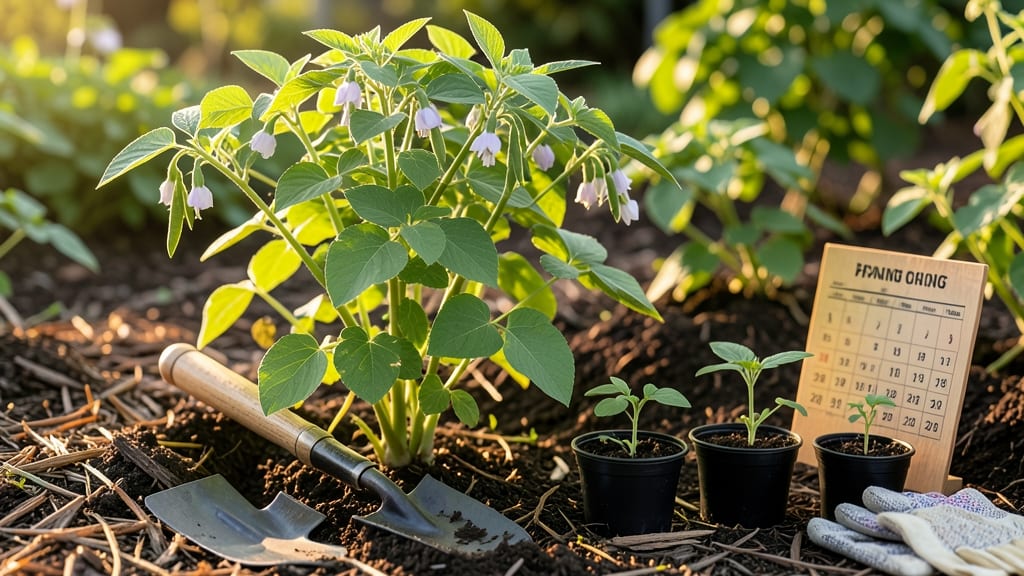
Timing your Green Bean 🌱 planting in Kansas can make or break your harvest—get it wrong, and you might end up with stunted plants or wasted seeds.
The key is knowing exactly when to plant based on your county's last frost date, which typically lands between mid-April and early June across most of the state.
I’ve learned the hard way that rushing the process—planting too early when soil temperatures are still chilly—leads to slow growth and vulnerable seedlings.
Instead, wait until the soil hits a steady 60°F and the air has warmed enough to support 3-4 weeks of consistent growth before the first frost returns in October.
Whether you’re growing bush beans for quick harvests or pole beans for a longer season, understanding your region’s microclimate is everything. Eastern Kansas, with its milder winters, often gets a head start, while western counties may need to hold off until late May to avoid unexpected cold snaps.
In this guide, I’ll break down the best planting windows, soil prep tips, and how to adjust for your specific USDA zone—so you can enjoy fresh Green Beans 🌱 from late June through September without the guesswork.
Kansas county-specific last frost dates for planting beans
Kansas' diverse geography means last frost dates can vary by 10-14 days between eastern and western regions. For bush beans and pole beans, timing is everything—plant too early, and frost will kill tender seedlings; too late, and you’ll miss the 60-70 day harvest window before summer heat sets in.
My garden in USDA Zone 6a (central Kansas) typically sees its last frost around April 15, but western counties like Hamilton or Sherman can be 2 weeks earlier.
Eastern Kansas—including counties like Douglas, Shawnee, and Johnson—often experiences later frosts due to higher humidity and slower warming. These areas should wait until mid-to-late April to plant beans, while western counties like Gove or Ness can start as early as early April.
The key is checking your local Kansas State University Extension frost date maps or using a frost calendar for your specific county.
Here’s how these frost dates translate into planting windows for your beans:
| Region | Last Frost Date | Safe Planting Window | Bush Beans (Days to Maturity) | Pole Beans (Days to Maturity) |
|---|---|---|---|---|
| Eastern KS (Douglas, Shawnee, Wyandotte) | April 15–22 | April 25–May 5 | 50–60 days | 60–70 days |
| Central KS (Sedgwick, Johnson, Geary) | April 10–18 | April 20–May 2 | 50–60 days | 60–70 days |
| Western KS (Hamilton, Sherman, Ness) | March 30–April 10 | April 10–20 | 55–65 days | 65–75 days |
| 💡 Pro Tip: Use row covers to extend your planting window by 2–3 weeks in colder areas! | ||||
For bush beans, which mature faster (50–60 days), you can afford to plant slightly later—even up to early June in eastern Kansas—for a fall harvest. However, pole beans, which take 60–70 days, need that earlier start to avoid summer heat stress.
My favorite heat-tolerant varieties like 'Blue Lake' or 'Kentucky Wonder' handle Kansas’ summer heat better than traditional types.
If you’re in a northern county like Cloud or Republic, consider starting beans indoors in late March and transplanting after the last frost. This gives you a 2-week head start on the growing season. Just be sure to harden off seedlings for 5–7 days before transplanting to avoid shock.
Another trick I use is planting succession crops every 2 weeks after the initial planting. This ensures a steady supply of fresh beans from June through August.
For example, if your last frost is April 15, plant your first batch on April 25, then follow up with additional plantings on May 10 and May 25.
Watch for false springs, where warm weather tricks you into planting early, only for a late frost to hit. I’ve seen this happen in May—always have frost cloth ready to protect young plants.
Signs of frost damage include blackened leaves or wilting stems, which can kill plants if they’re too young to recover.
Soil temperature is just as important as air temperature. Beans won’t germinate well in cold soil—wait until it reaches 60°F (about 2–3 weeks after your last frost).
You can test this with a soil thermometer or by pressing your finger into the soil; if it feels warm to the touch, it’s ready. In western Kansas, where soils warm faster, you might plant 1 week earlier than the frost date suggests.
Finally, don’t forget about fall planting for late-season varieties! In southern Kansas (e.g., Sedgwick or Finney counties), you can plant beans in early August for a fall harvest before the first frost in mid-October. Just choose shorter-day varieties like 'Contender' to avoid bolting.
Knowing
How to adjust planting times for bean varieties in Kansas
Kansas gardeners know that not all beans thrive at the same time. Cool-season varieties like Blue Lake Bush Beans need early planting, while heat-tolerant types such as Black Valentine Pole Beans perform best when soil temperatures rise.
The key is matching your bean variety to soil warmth and frost-free windows—which vary dramatically from USDA Zone 5 in the northwest to Zone 7 in the southeast.
I’ve found that soil temperature is the most critical factor. Most bean seeds won’t germinate well below 60°F, and cooler soils can lead to rot or stunted growth.
In western Kansas, where springs are slower to warm, I often wait until late May for heat-loving varieties, while eastern counties can start as early as mid-April for cooler-tolerant types.
- 1. Plant cool-season beans (e.g., Kentucky Wonder) 2-3 weeks after last frost when soil hits 55-60°F. Aim for early April-May in eastern Kansas.
- 2. Switch to heat-tolerant beans (e.g., Rattlesnake Beans) once soil exceeds 70°F. Western Kansas gardeners should wait until late May-early June.
- 3. For extended harvests, succession plant bush beans every 2 weeks from May through June. Pole beans can handle longer seasons and tolerate slightly cooler soils.
- 4. In Zone 5 counties, use row covers to extend the season. Remove covers when daytime temps hit 75°F to prevent overheating.
- 5. Monitor 7-day forecasts for late frosts. If a 32°F warning appears after planting, cover seedlings with lightweight fabric or move pots indoors temporarily.
One trick I’ve used in northern Kansas is to start pole beans indoors 4-6 weeks before the last frost. These varieties have longer vines and can handle cooler soils better than bush types, giving you an earlier harvest.
Just be sure to harden off seedlings gradually to avoid shock when transplanting.
For gardeners in southern Kansas, where summers are hotter, focus on shade-tolerant varieties like Contender Beans. These perform well in partial shade and can handle the intense midday sun without wilting.
Pair them with trellises to maximize vertical space and improve airflow, reducing the risk of fungal diseases.
Finally, don’t overlook fall planting for late-season varieties. In Zone 6-7 areas, you can sow heat-tolerant beans like Crimson Glory as late as mid-July for a September-October harvest. Just ensure there are at least 60 days until your first frost—check your county’s frost-free date to plan accordingly.
By adjusting planting times based on soil temperature, bean variety, and your local microclimate, you’ll turn Kansas’ variable growing seasons into an advantage. With the right timing, you could enjoy fresh beans from June through October—no wasted seeds in sight! 🌱