
Plants
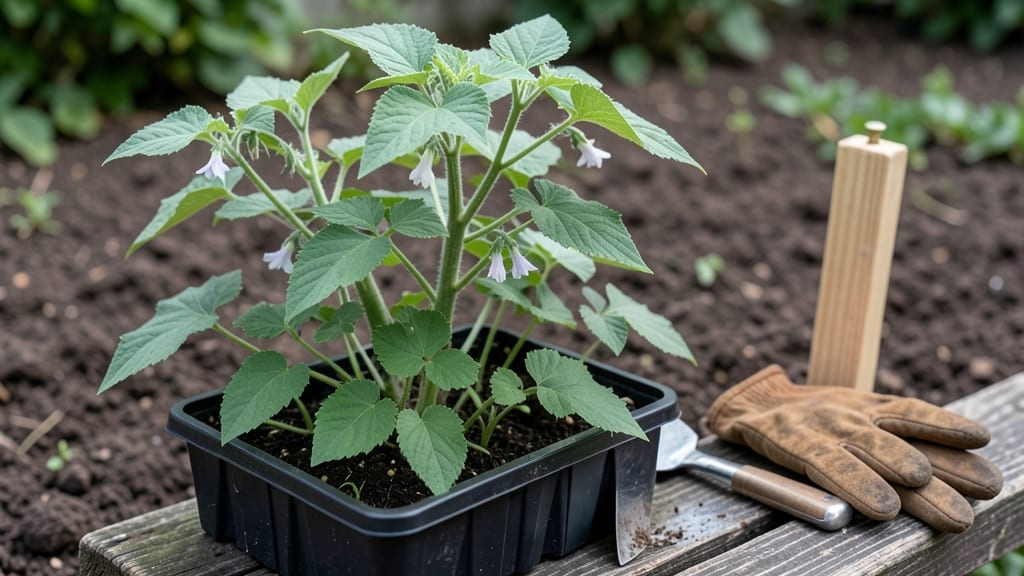
When to plant beans in Kentucky just right could mean the difference between a garden full of crisp, flavorful pods and a disappointing harvest. Planting too early risks frost damage, while waiting too long might leave you with stunted growth—especially in zones 6a-7b where spring temperatures can swing wildly.
Most gardeners in Kentucky know the general rule: wait until after the last frost date, usually around April 15, but that’s just the start.
The real secret lies in soil temperature and variety—bush beans thrive in cooler spring soil, while pole beans often need the warmth of late June or July to really take off.
I’ve learned the hard way that rushing beans into cold soil or planting them too late for summer heat can ruin even the most promising crop. Whether you’re growing Kentucky Blue or Contender varieties, getting the timing down to the week makes all the difference in yield and flavor.
In this guide, I’ll break down the exact weeks before your last frost to plant for peak harvests, plus how to adjust for Kentucky’s unpredictable weather. Let’s make sure your beans grow strong and productive from the very first seed.
Optimal Kentucky bean planting dates by variety (weeks before last frost)
Kentucky’s USDA Zones 6a-7b create unique challenges for bean growers, with Bluegrass Region areas typically 1-2 weeks cooler than Western Kentucky. To maximize your harvest, timing is everything—plant too early, and frost will kill tender seedlings; too late, and heat stress stunts growth.
The key is understanding weeks before last frost for each variety, adjusted by microclimate.
For pole beans (like Kentucky Wonder or Blue Lake), aim to plant 2-3 weeks before last frost in Zone 6a (typically April 1-15) and 1-2 weeks earlier in Zone 7b (Western KY).
These vining varieties need warm soil (60°F+) and 60+ days to mature, so don’t rush—wait for consistent 50°F nights.
Bush beans (e.g., Blue Lake Bush or Contender) are more forgiving, tolerating cooler soils and maturing in 50-60 days. Plant them 1-2 weeks after last frost (April 15-May 1 in Zone 6a, April 1-May 15 in Zone 7b). Their compact growth makes them ideal for succession planting every 2 weeks through June for continuous harvests.
Lima beans (Fordhook or Henderson varieties) are Kentucky’s heat-loving superstars but need soil temps above 65°F. Plant them 2-4 weeks after last frost (May 1-June 1), aligning with Western KY’s warmer microclimates. These slow starters benefit from black plastic mulch to warm the soil faster.
| Variety | Zone 6a (Bluegrass) | Zone 7b (Western KY) | Days to Maturity | Key Notes |
|---|---|---|---|---|
| Pole Beans (Kentucky Wonder) | April 1-15 (2-3 wks before frost) | March 25-April 10 | 60-70 days | Needs trellis; plant after soil hits 60°F |
| Bush Beans (Blue Lake Bush) | April 15-May 1 (1-2 wks after frost) | April 1-May 15 | 50-60 days | Ideal for succession planting; compact |
| Lima Beans (Fordhook) | May 1-June 1 (after soil 65°F+) | April 15-May 15 | 70-90 days | Use black plastic mulch for warmer soil |
| Summer Succession Planting | June 15-July 15 (for fall harvest) | June 1-July 10 | 50-60 days | Choose fast-maturing varieties like Contender |
Kentucky’s Western regions (like Paducah) often see earlier last frosts by 7-10 days compared to Lexington or Louisville. Use a soil thermometer to confirm 60°F+ for pole beans or 65°F+ for limas—cold soil delays germination.
For Zone 6a gardeners, consider row covers to extend the season by 2-3 weeks if planting early.
Don’t overlook summer planting for a fall harvest! In Zone 7b, sow bush beans from June 15-July 15 for pods ready by September-October.
This strategy avoids July heat stress while capitalizing on cooler fall nights. Just ensure consistent watering during Kentucky’s humid summers to prevent blossom drop.
Pro tip: Soak seeds overnight before planting to speed germination—critical in Kentucky’s variable spring weather. For pole beans, install trellises at planting time to avoid disturbing roots later. And always rotate crops to prevent soil-borne diseases like bean blight, which
How to adjust planting for Kentucky’s unpredictable spring weather
Kentucky’s spring weather can be a gardener’s worst nightmare—one day it’s 50°F with frost warnings, and the next it’s 80°F with heat advisories. Beans, in particular, are sensitive to these fluctuations, requiring consistent warmth to thrive.
Without proper adjustments, your plants may bolt prematurely or fail to germinate altogether. The key is flexibility: knowing when to hold back, when to plant, and how to protect your crop from Mother Nature’s mood swings.
I’ve learned the hard way that blindly following a planting calendar won’t cut it in Kentucky. Instead, I rely on soil temperature, microclimate conditions, and succession planting to maximize my bean harvest.
For example, while the average last frost date is April 15, Western Kentucky’s warmer microclimates can safely plant 2 weeks earlier, while the Bluegrass region often waits until May 1 to avoid late frosts. Understanding these nuances is what separates a thriving garden from a disappointing one.
⚠️ callout-warning
Kentucky’s late frosts can strike as late as May 10 in some areas. If you plant beans too early and a frost hits, your seedlings will wilt or die. Always wait until the soil temperature consistently stays above 60°F—use a soil thermometer to check! For extra protection, cover young plants with frost blankets or row covers during cold snaps.
One of my go-to strategies is succession planting, which lets me stagger my bean harvests throughout the summer. Since beans have a short growing season (55-70 days), I plant bush beans every 2 weeks from late April through early June.
This ensures a steady supply of fresh pods instead of one overwhelming harvest. For pole beans, which take longer to mature, I focus on 2-3 plantings in May and early July to avoid overlapping harvests.
Don’t overlook soil preparation either. Kentucky’s clay-heavy soils can stay too cold or waterlogged in spring. I always amend my beds with compost or aged manure in early spring to improve drainage and warmth.
Adding a thin layer of mulch after planting helps maintain stable soil temperatures and reduces moisture loss during sudden heatwaves. This small step has doubled my germination rates in unpredictable years.
If a heatwave hits early—like the 90°F+ days we sometimes see in June—beans can bolt or develop bitter pods. To combat this, I use shade cloth (30-50% coverage) during peak afternoon sun and increase watering frequency to daily deep soakings.
I’ve also had success with late summer plantings in August, choosing heat-tolerant varieties like ‘Blue Lake’ or ‘Kentucky Wonder’ that can handle the late-season heat before the first frost.
Finally, keep an eye on the 7-day forecast and your local Cooperative Extension Service updates. They often provide real-time frost advisories and soil temperature data tailored to your county. By combining data-driven decisions with flexible planting strategies, you can turn Kentucky’s unpredictable spring into your beans’ best growing season.
With these adjustments, I’ve gone from frustrated gardener to confident producer—and so can you! 🌱