
Plants
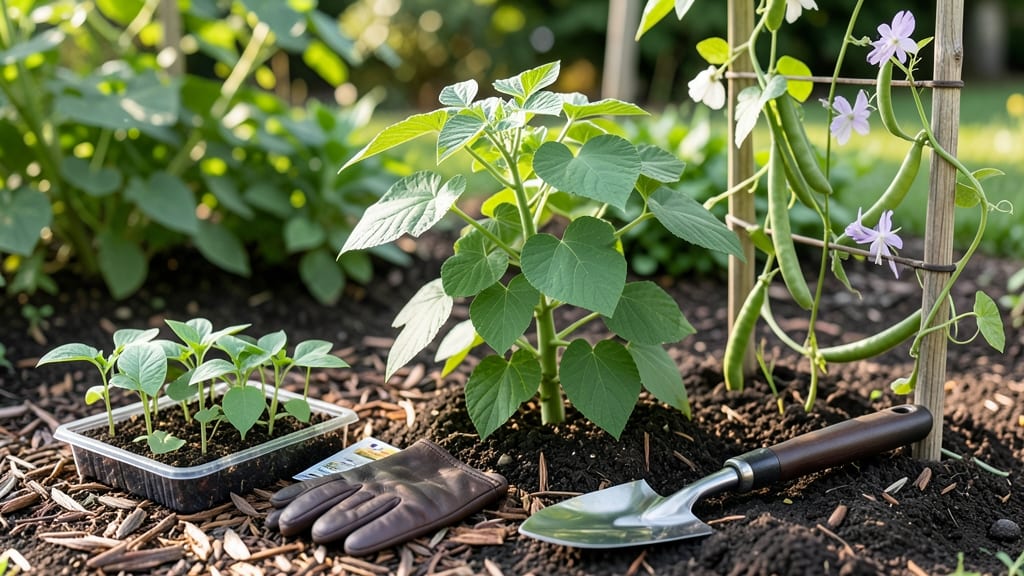
Planting beans in Massachusetts at the wrong time means frost-killed seedlings or missed harvests—both are frustrating, and neither gives you fresh, homegrown 🌱 pods. The key to success lies in knowing your zone’s last frost dates and adjusting your schedule accordingly, whether you’re growing bush beans or pole varieties.
For most of Massachusetts, that means waiting until mid-April (Zone 5) or early April (Zone 6) to plant after soil warms to at least 60°F. But timing isn’t just about dates—it’s also about soil conditions and microclimates.
A late frost in the Worcester hills could derail your entire crop if you’re not careful.
What if you want a second harvest? You can still plant beans in late July for a fall crop, but this requires shade cloth and cold-tolerant varieties like ‘Provider’ beans. I’ll show you exactly how to stretch your growing season without risking frost damage.
Ready to avoid common mistakes and maximize your yield? Let’s break down the exact planting windows, soil prep tips, and companion plants that keep pests away—so you can enjoy fresh beans from your garden all summer long.
Massachusetts bean planting timeline by last frost dates (Zone 5 vs. Zone 6)
Massachusetts' last frost dates vary dramatically between Zone 5 (western hills) and Zone 6 (coastal areas), creating a 3-week window difference for planting beans. In Boston (Zone 6a), the average last frost is April 15, while Springfield (Zone 5b) typically sees its last frost May 1.
This means your bush beans and pole beans should be timed precisely to avoid frost damage while maximizing your harvest season.
For spring plantings, aim to sow seeds 2-3 weeks after your region's last frost date.
In Zone 6, that’s late April to early May, while Zone 5 gardeners should wait until mid-to-late May. Fall plantings are also possible—sow seeds in late July to early August for a second harvest before the first frost in October.
The key is monitoring soil temperatures, which should stay above 60°F for consistent germination.
Here’s how microclimates affect your planting schedule across Massachusetts:
| Region & Zone | Avg. Last Frost | Spring Planting Window | Fall Planting Window | Best Varieties |
|---|---|---|---|---|
| Boston (Zone 6a) | April 15 | Late April - Early May | Late July - Early August | Blue Lake, Provider, Tendercrop |
| Worcester (Zone 5b) | May 1 | Mid-May - Early June | Early August - Mid-August | Kentucky Wonder, Contender, Blue Lake |
| Springfield (Zone 5b) | May 1 | Mid-May - Early June | Early August - Mid-August | Provider, Blue Lake, Tendergreen |
| Western MA (Zone 5a) | May 10 | Late May - Early June | Mid-August - Early September | Kentucky Wonder, Contender, Roma II |
If you’re growing pole beans, start seeds indoors 2-3 weeks before your outdoor planting date. They need trellises or poles for support, so install these before planting to avoid disturbing roots.
For bush beans, direct-sow seeds ½ inch deep and 2-3 inches apart in rows spaced 18-24 inches apart. Soil prep is critical—amend with compost and a balanced fertilizer (5-10-10) to ensure healthy growth.
Pro tip: Use black plastic mulch to warm soil faster and extend your planting window by 1-2 weeks. This is especially helpful in Zone 5, where cooler soils delay germination.
Just remove the mulch once beans emerge to prevent overheating. For fall plantings, choose cold-tolerant varieties like ‘Provider’ or ‘Blue Lake’, which can handle light frosts better than others.
Monitor weather forecasts closely in late May—a late frost can devastate young seedlings. If frost is predicted, cover plants with frost cloth or row covers for protection.
In Zone 6, you can sometimes push the envelope and plant early May if you’re willing to risk a light frost, but Zone 5 gardeners should err on the side of caution and wait until after May 15.
For a continuous harvest, practice succession planting every 2 weeks from May to July. This ensures you’ll have fresh beans from late June through September.
Space your plantings so that each batch matures at a different time, preventing a glut of beans all at once. Pole beans are ideal for this strategy—they produce for longer than bush beans and can climb trellises to save space.
Don’t forget about companion planting! Beans fix nitrogen in the soil, so pair them with corn and squash (the "Three Sisters" method) or lettuce and carrots to improve yields. Avoid planting near onions or garlic, as they can stunt bean growth.
If you’re short on space, try container growing—pole beans thrive in 5-gallon buckets with trellises, while bush beans do well in gallon-sized pots.
Finally, keep an eye on soil moisture—beans need consistent watering, especially during pod formation. Let the top 1 inch of soil dry between waterings to prevent root rot, but never let plants wilt.
Mulch around the base to retain moisture and suppress weeds, which compete for nutrients. With these timing tips, you’ll enjoy a
How to extend your bean harvest season in Massachusetts (succession planting guide)
Massachusetts’ short growing season makes succession planting your secret weapon for fresh beans all summer. Instead of one big harvest, you’ll enjoy continuous pods from June through September by planting in 3-4 batches. The key? Timing soil warmth and avoiding frost—especially in Zone 5b areas like Worcester.
Start with cold-tolerant varieties like ‘Provider’ or ‘Blue Lake’, which handle 50°F soil better than most. For late plantings, use shade cloth (30-50%) to protect seedlings from late-May heat waves while still letting them mature before fall frost. My go-to schedule works for both bush and pole beans.
🌱 Succession Planting Schedule for Massachusetts Beans
-
1
First Planting (Early May)
Soil temp: 60°F+ | Use row covers if nights dip below 45°F. Ideal for ‘Blue Lake’ or ‘Kentucky Wonder’ pole beans. -
2
Second Planting (Late May)
Soil temp: 65°F+ | Switch to bush beans like ‘Contender’ for quicker harvests. Use shade cloth if planting after May 20. -
3
Third Planting (Early July)
Soil temp: 70°F+ | Plant ‘Provider’ or ‘Tendercrop’ for fall harvests. Choose a south-facing bed for maximum sun. -
4
Fourth Planting (Mid-July)
Soil temp: 68°F+ | Use black plastic mulch to warm soil faster. Limit to 1-2 varieties to avoid overcrowding.
Pro Tip: Test soil temp with a soil thermometer—beans won’t germinate below 55°F. In Zone 6 (like Cape Cod), you can add a fifth planting in late July for late-September harvests. 🌡️
For late-season plantings, opt for ‘Tendercrop’ or ‘Blue Lake Bush’—they mature in just 50-55 days, giving you pods before frost. If your garden gets hot afternoons (common in July), provide afternoon shade to prevent blossom drop. I’ve had great luck with 50% shade cloth on wire hoops.
Don’t forget to rotate planting locations each batch to prevent soil-borne diseases like root rot. Beans are nitrogen-fixers, so they improve soil—just avoid planting where you grew other legumes last year. Pair them with corn and squash (the "Three Sisters" method) for natural pest control and better yields.
With this schedule, you’ll enjoy fresh beans from July through September, even in Massachusetts’ cooler climate. The last planting should go in by August 1st to ensure harvest before first frost (usually mid-October). Start small—test what works in your microclimate before scaling up! 🌿
Remember: Harvest regularly to encourage more production. Pick pods when they’re firm and 2-4 inches long (depending on variety), and you’ll keep the plants producing until frost. Happy gardening! ✂️