
Plants
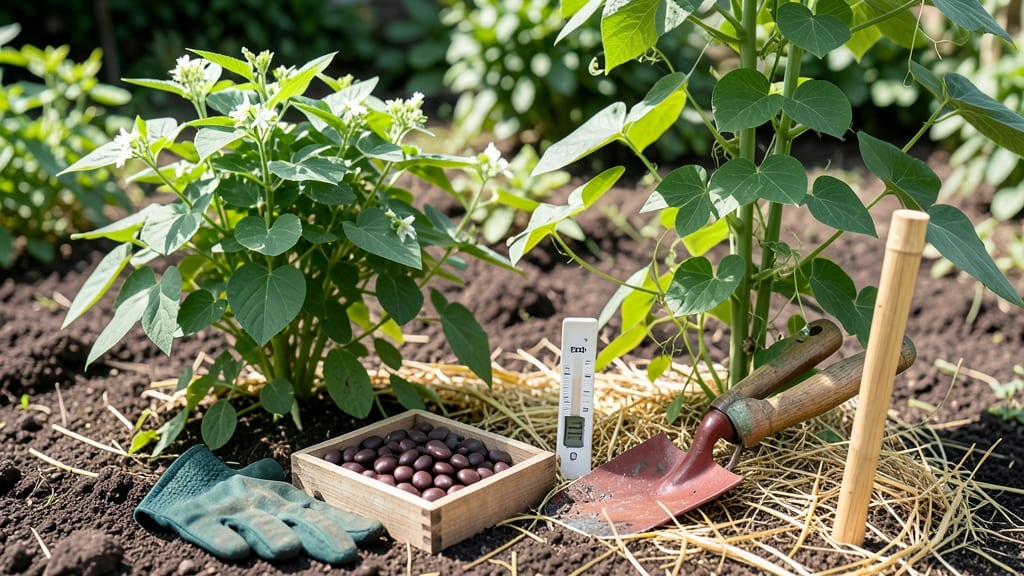
Planting beans in Oklahoma at the wrong time can mean the difference between a bountiful harvest and wasted effort—especially when frost sneaks in or summer heat zaps your plants before they mature.
With USDA zones ranging from 6b to 8a, timing isn’t one-size-fits-all, but getting it right unlocks sweeter, more productive 🌱 beans whether you’re in Tulsa or the Panhandle.
Most gardeners in Oklahoma focus on two key windows: mid-April to early June for spring plantings and late July to early August for fall harvests. But here’s the catch—soil temperatures below 60°F will stall germination, while planting too late risks heat stress.
I’ll break down the exact dates for bush, pole, and specialty beans, plus how to adjust for Oklahoma’s unpredictable microclimates.
You might think beans are low-maintenance, but in Oklahoma’s climate, they’re actually frost-sensitive and need precise timing. Whether you’re a first-time gardener or a seasoned grower, skipping these steps could leave you with stunted plants or no harvest at all.
Let’s dive into the schedule that works for your zone—and how to tweak it for your specific corner of the state.
By the end, you’ll know not just when to plant, but also how to protect your beans from early frosts, late heatwaves, and soil conditions that can make or break your yield. Ready to turn your Oklahoma garden into a bean-producing powerhouse? Let’s get started.
Oklahoma’s USDA zones & best planting dates for beans by type
Oklahoma spans USDA Zones 6b through 8a, giving gardeners a 180- to 220-day growing season for beans. The key to success? Planting when soil temperatures hit 60°F or higher and avoiding late spring frosts that can devastate young plants.
Each zone has its own ideal window, but most Oklahoma gardeners can grow two bean crops per year—one in spring and one in fall.
Bush beans and pole beans have different timing needs. Bush beans mature faster (50–60 days) and can handle Oklahoma’s summer heat better than pole beans, which need more time (60–75 days) to climb and produce.
Specialty varieties like lima beans or yard-long beans may require even more precise scheduling to avoid wilting in the 100°F+ temperatures common in Zone 8a.
Here’s how to align your planting with Oklahoma’s four key USDA zones, including soil temperature thresholds and frost-free date adjustments:
In Zone 6b, where frosts linger later, I recommend starting seeds indoors in late March and transplanting after the last frost. For Zones 7a and 7b, direct-sow seeds as soon as soil reaches 60°F, which usually aligns with late March to early April.
Gardeners in Zone 8a can plant even earlier, but watch for heat stress—beans wilt when soil temps exceed 90°F.
For fall plantings, Oklahoma’s long, hot summers mean you’ll need to beat the heat. In Zone 6b, plant by July 15 to harvest before frost. In Zone 8a, extend your window to August 1, but choose shorter-season varieties like ‘Contender’ or ‘Blue Lake.’
Always water deeply in the evening to cool roots during Oklahoma’s 100°F+ afternoons.
Specialty beans like lima beans or black-eyed peas thrive in Oklahoma’s heat but need consistent moisture. I’ve had the most success planting them in late May to early June across all zones, giving them time to mature before summer’s peak heat.
Mulch with straw or grass clippings to retain moisture and regulate soil temperature—this is a game-changer in Oklahoma’s clay-heavy soils.
One mistake I see often? Planting pole beans too early in cooler zones. Their long vines need warm soil and steady temperatures to establish roots. If you’re in Zone 6b or 7a, wait until mid-April or use black plastic mulch to warm the soil faster.
For bush beans, which are more forgiving, you can start as early as late March in Zone 8a or early April in Zone 6b.
Remember: Oklahoma’s microclimates can vary wildly even within a zone. If your garden sits in a low-lying area, expect later frosts and adjust planting dates accordingly. Conversely, south-facing slopes warm up faster—ideal for early spring plantings.
Always check your local frost-free date (available via the National Weather Service) and plan backward from your target harvest.
How to adjust planting times for Oklahoma’s microclimates & soil conditions
Oklahoma’s diverse microclimates and soil variations can dramatically impact your bean harvest. In USDA Zone 6b, cooler pockets near mountains may experience late frosts, while Zone 8a areas in southern Oklahoma can face scorching summer heat weeks earlier than the norm.
These differences mean your planting schedule must be flexible.
Your soil type also plays a critical role. Clay soils retain moisture but compact easily, while sandy soils drain too quickly and struggle to hold nutrients. Even loamy soil, Oklahoma’s gold standard, benefits from adjustments based on your specific location’s moisture patterns and heat intensity.
⚠️ callout warning ⚠️
🌡️ Heat Spike Warning
Oklahoma’s sudden heat spikes (often after 90°F days) can stress young bean plants. If your area hits 95°F+ before beans reach 3 feet tall, delay planting by 2-3 weeks to avoid stunted growth. Monitor soil temperatures—beans thrive when soil stays between 60°F–85°F.
🌱 Pro Tip: Use a soil thermometer to check before planting. If soil is below 60°F, wait or use black plastic mulch to warm it faster.
For cooler microclimates like those in the Ozark Mountains, extend your growing season by using row covers or cold frames. These tools can add 2–4 weeks to your planting window, allowing you to start beans as early as mid-March in protected beds.
Just remove covers once plants are 6 inches tall to prevent overheating.
If you’re dealing with sandy soil, improve moisture retention by mixing in 2–3 inches of compost or using mulch like straw. This mimics Oklahoma’s native prairie conditions and helps beans establish deeper roots.
For clay-heavy soil, amend with sand or peat moss to prevent compaction, which can suffocate roots during Oklahoma’s summer droughts.
In southern Oklahoma (Zone 8a), where heat arrives earlier, focus on fall planting for a second harvest. Start seeds in late July to avoid the worst of the summer heat, and use shade cloth if temperatures exceed 100°F.
This strategy lets you harvest green beans in September and October, when cooler nights return.
Finally, pay attention to localized drought risks. Areas like western Oklahoma experience more frequent dry spells. To combat this, plant beans near drip irrigation lines and water deeply once a week rather than daily shallow watering.
This encourages drought-resistant root growth and maximizes your yield during Oklahoma’s unpredictable growing seasons. 🌱