
Plants
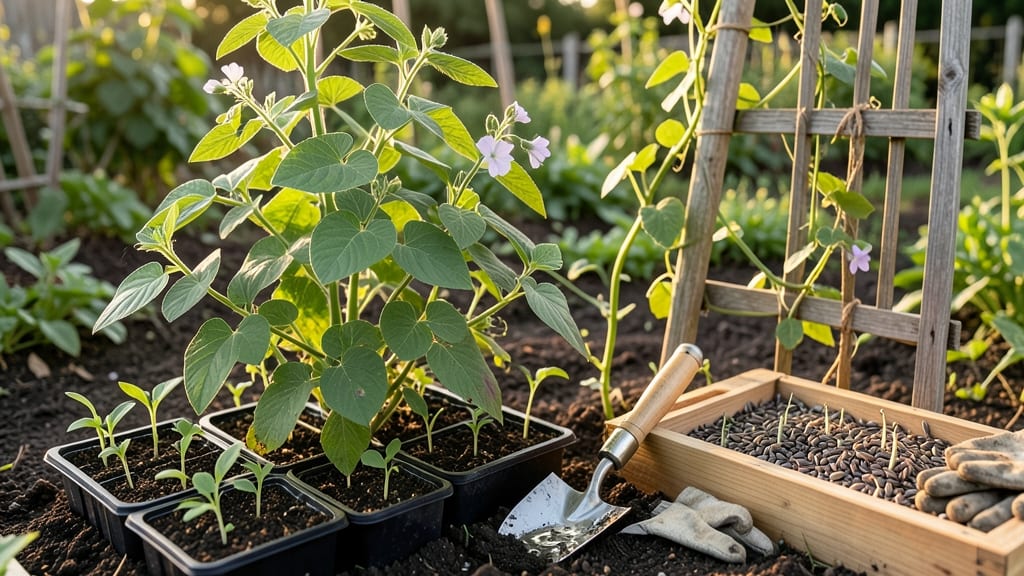
Planting beans in Ontario might seem simple, but getting the timing right is the key to avoiding frost damage and maximizing your harvest.
Whether you're a seasoned gardener or just starting, knowing when to plant these 🌱 legumes can mean the difference between a few sad pods and a garden overflowing with fresh, homegrown beans.
In Ontario’s 5b zone, the window for planting beans is narrow—typically between mid-May and early June, right after the last frost. But here’s the catch: late frosts can still sneak up, especially in cooler regions, so waiting until the soil warms to at least 10°C (50°F) is non-negotiable.
Skipping this step often leads to stunted plants or worse, and nobody wants to waste their time and effort.
What if you miss the early window? No worries—Ontario’s climate allows for a second planting in early July for late-maturing varieties, giving you a second chance for a fall harvest.
The trick is balancing soil prep, companion planting, and keeping an eye on weather forecasts to avoid common pitfalls that ruin bean crops.
In this guide, I’ll break down the exact planting schedule for your region, share soil prep secrets, and reveal the easiest ways to extend your harvest season. Ready to grow beans like a pro? Let’s get started.
Ontario bean planting zones: frost dates by region
Ontario’s diverse climate means last frost dates can vary by 10 days or more between regions. In Zone 4 (Northern Ontario), like Thunder Bay, expect frost until mid-May, while Zone 7 (Southern Ontario), such as London, typically sees frost-free soil by late April.
These differences dictate when you can safely plant bush beans and pole beans without risking frost damage.
For pole beans, which need a longer growing season, aim to plant after May 15 in most areas. Bush beans, with their shorter maturity, can go in as early as May 1 in Southern Ontario but wait until June 1 in Northern regions.
Microclimates—like urban heat islands or sheltered garden spots—can shift these dates by 1-2 weeks.
Urban gardeners in cities like Toronto often experience warmer microclimates due to concrete and buildings retaining heat. This can mean planting 2 weeks earlier than rural areas in the same zone. Conversely, rural gardens in open fields may need to wait 1 week longer for soil to warm.
Soil temperature is just as critical as air temperature. Beans thrive when soil reaches 10°C (50°F). Use a soil thermometer to confirm readiness—cold soil delays germination.
In Zone 5 (e.g., Ottawa), this usually aligns with late May, while Zone 6 (e.g., Hamilton) may hit it by early May.
Here’s how Ontario’s regions break down for planting beans after frost, including adjustments for urban vs. rural areas:
For pole beans, which take 60-70 days to mature, planting in early June ensures they’re ready before the first frost in October. Bush beans, maturing in 50-60 days, can handle a slightly later start but still need to avoid late frosts.
In Zone 7, you might squeeze in two plantings: one in late April and another in early July for a fall harvest.
If you’re in a warmer microclimate, like a south-facing garden bed, you can push planting dates 2 weeks earlier. Conversely, cold pockets near lakes or shaded areas may require waiting 1-2 weeks longer. Always monitor local frost forecasts—tools like the Canadian Weather Network provide real-time updates.
Pro tip: Use row covers or cold frames to extend your planting window by 2-3 weeks in cooler zones. This lets you start seeds indoors in April and transplant outdoors after the last frost, giving you a head start on the season.
Remember, beans are heat-loving plants. Once soil warms, they grow rapidly—so don’t wait too long! Aim to have them established by June 1 in most regions to maximize your harvest before Ontario’s first frost in October.
🌱
Step-by-step bean planting schedule for maximum yield
Ontario’s short growing season demands precision when planting beans—miss the window, and you’ll sacrifice peak yields. My week-by-week schedule ensures you time everything from soil prep to companion planting for a harvest that stretches from July to September.
Whether you’re growing bush beans or pole beans, these steps will maximize your garden’s productivity.
Start by testing your soil’s temperature and pH. Beans thrive in soil that’s at least 10°C (50°F) and has a pH between 6.0 and 7.0. If your soil is too acidic, mix in lime or wood ash a few weeks before planting.
For urban gardens or container growing, use a high-quality potting mix with compost for better drainage and nutrients.
📅 Weekly Bean Planting Schedule for Ontario
-
Week 1 (Late April - Early May): Soil Prep
Loosen soil to 6 inches deep and mix in 2-3 inches of compost. Avoid working wet soil to prevent compaction. If frost is still a risk, cover beds with black plastic mulch to warm the soil faster. -
Week 2 (Mid-May): Direct Sowing (After Last Frost)
Plant seeds 1 inch deep and 2-3 inches apart. For pole beans, space rows 18-24 inches apart and provide trellises. Use row covers if nighttime temps dip below 10°C (50°F). -
Week 4 (Early June): Thinning & Fertilizing
Thin seedlings to 4-6 inches apart for bush beans or 6-8 inches apart for pole beans. Side-dress with balanced fertilizer (5-10-10) at 1 tbsp per plant. Water deeply to 1 inch per week, focusing on the soil, not the leaves. -
Week 6 (Mid-June): Companion Planting
Interplant beans with corn and squash (the "Three Sisters" method) to improve soil nitrogen and deter pests. Avoid planting near onions or garlic, as they stunt bean growth. Mulch with straw or grass clippings to retain moisture. -
Week 8 (Late June): Succession Planting
Sow a second crop of short-season varieties (e.g., Contender or Tendercrop) for a late-summer harvest. Use shade cloth if planting early in cooler regions like Zone 4 to protect young plants. -
Week 10-12 (July-August): Harvest & Maintain
Harvest pods when 2-3 inches long and tender to encourage more production. Pick every 2-3 days to prevent overcrowding. Stop watering 2 weeks before first frost to toughen pods for storage.
Extending your harvest season is easy with succession planting and companion planting. For example, pole beans can produce pods for 4-6 weeks longer than bush beans if given proper support and consistent care.
My trick? Plant half my pole beans early (Week 2) and the other half 4 weeks later (Week 6) to stagger the harvest.
Don’t overlook pest control—beans are magnets for bean beetles and aphids. Spray plants with neem oil or introduce ladybugs to keep populations in check. If you notice yellowing leaves, it could signal overwatering or nitrogen deficiency.
Adjust your watering schedule or add a light nitrogen fertilizer to revive plants quickly.
With this schedule, you’ll enjoy fresh, homegrown beans from July through September, even in Ontario’s unpredictable climate. The key is staying consistent with soil prep, spacing, and companion planting—your future harvest depends on it! 🌱