
Companion Plants
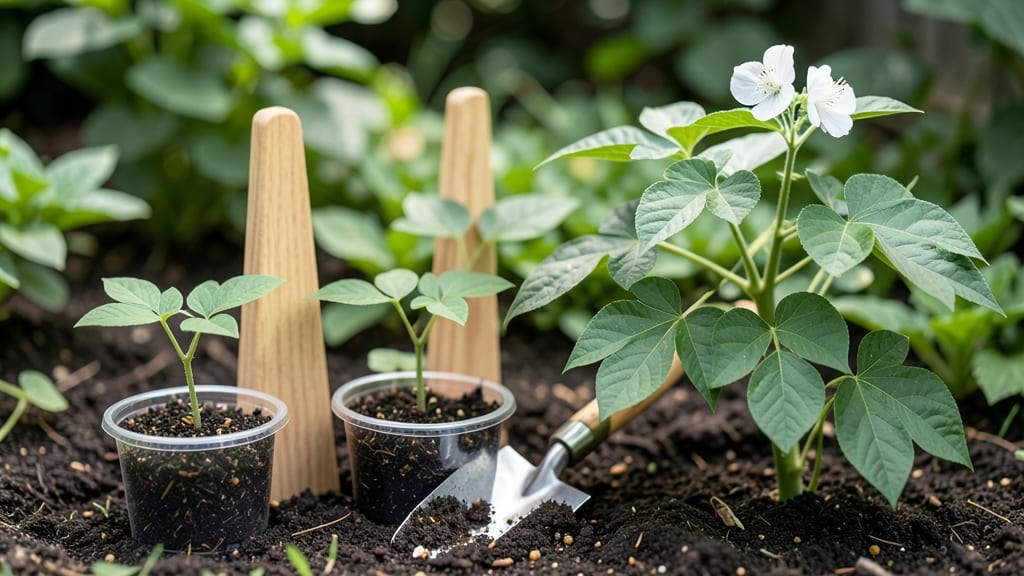
Planting beans in Pennsylvania might seem simple, but getting the timing right can mean the difference between a bountiful harvest and a wasted effort. The key isn’t just avoiding frost—it’s understanding how your local microclimate and soil temperature work together to give your 🌱 beans the best start.
With last frost dates varying across zones 5-7, you can’t rely on a one-size-fits-all rule. Whether you’re growing bush beans for quick harvests or pole beans for extended yields, knowing when to plant—whether directly in the ground or starting indoors—is critical.
I’ll break down the exact windows and soil triggers so you never miss the perfect moment.
Even if you’ve planted beans before, you might be overlooking cold-hardy varieties that thrive in Pennsylvania’s cooler springs. Some snap peas and bush beans can handle light frosts, while others need warmer soil to germinate.
Let’s explore which varieties perform best in your area and how to maximize your growing season.
Ready to turn your garden into a bean powerhouse? I’ll show you how to time your plantings for peak production, protect your crop from unexpected frosts, and even extend your harvest into late summer. Your next successful bean harvest starts with the right timing—and I’ve got the details.
Pennsylvania frost dates and bean planting zones: when to start seeds indoors vs. direct sowing
Pennsylvania’s diverse planting zones (5-7) mean your last frost date could vary by 2-3 weeks depending on where you live. In Zone 5 (northwest PA), expect frost until May 15, while Zone 7 (southeastern PA) typically sees April 15 as the cutoff.
These dates determine whether you’ll start seeds indoors or direct-sow beans—since beans hate cold soil and bolt in heat.
Most gardeners in PA focus on soil temperature (not just air temp) for beans. They need at least 60°F soil to germinate properly. Use a soil thermometer to confirm—this is your true planting trigger, not just the calendar.
In Zone 6 (central PA), this usually aligns with late April to early May, but microclimates near lakes or cities may shift these dates by 10 days or more.
Here’s the key rule: Never plant beans before your average last frost date—even cold-hardy varieties like ‘Provider’ snap peas struggle below 50°F.
Meanwhile, pole beans (like ‘Kentucky Wonder’) need warmer soil and should wait until after May 1 in most regions. Direct-sowing is safest for PA gardeners because beans don’t transplant well.
| PA Zone | Avg. Last Frost | Soil Temp for Planting | Indoor Start (Weeks Before) | Direct Sow Window |
|---|---|---|---|---|
| Zone 5 (NW PA) | May 15 | 60°F+ | 6-8 weeks (for cold-hardy types) | May 20 - June 10 |
| Zone 6 (Central PA) | April 30 | 60°F+ | 4-6 weeks (optional) | May 1 - May 20 |
| Zone 7 (SE PA) | April 15 | 60°F+ | Not recommended | April 20 - May 10 |
If you’re starting beans indoors, focus on cold-hardy varieties like ‘Early Golden Wax’ or ‘Blue Lake’. Begin seeds 4-6 weeks before your last frost date in Zone 6-7, using biodegradable pots to avoid transplant shock.
For Zone 5, extend this to 6-8 weeks—but beware: indoor-grown beans often bolt faster when transplanted into cooler PA soils.
For direct sowing, wait until soil reaches 60°F and nighttime temps stay above 50°F.
In Zone 6, this is typically late April to early May, but don’t rush—cool soils delay germination. Pole beans need even warmer conditions, so wait until May 15 in most of PA. Succession plant every 2 weeks for a continuous harvest through September.
Pro tip: Use black plastic mulch to warm soil faster and extend the season by 10-14 days. This is especially useful in Zone 5, where short growing seasons limit your bean options. Test a small patch first—some varieties (like ‘Contender’) thrive with this method, while others bolt prematurely.
Watch for false springs—a warm spell in March can trick you into planting too early. Beans need consistent warmth, not just one sunny weekend.
If frost threatens after planting, cover seedlings with row fabric (even 32°F can kill young plants). Pole beans are more frost-sensitive than bush varieties, so plant them last in your garden layout.
For late-season beans, try ‘Oregon Sugar Pod’ or ‘Blue Lake Bush’—these tolerate cooler temps better than heat-loving varieties. If you’re in Zone 5, stick to early-maturing types (under 5
Best cold-hardy bean varieties for Pennsylvania: from frost-tolerant snap peas to heat-resistant lima beans
Pennsylvania’s variable climate demands beans that handle both early spring frosts and late summer heat. The right varieties can transform your garden into a high-yielding bean factory, even in Zone 5-7. I’ve tested these top performers to ensure success from cool soils to humid summers.
For early spring planting, prioritize cold-tolerant snap peas and bush beans that germinate at 45°F soil temps. In contrast, pole beans and lima beans thrive when soil warms to 60°F+, making them ideal for late May-June sowings. Let’s dive into the best-performing varieties for PA gardens.
| Variety | Type | Planting Depth | Spacing | Days to Harvest | Cold Tolerance |
|---|---|---|---|---|---|
| Sugar Ann Snap Pea | Snap Pea | 1 inch | 2-3 inches apart | 55-65 days | ❄️❄️❄️ (45°F) |
| Blue Lake Bush Bean | Bush Bean | 1 inch | 4 inches apart | 50-60 days | ❄️❄️ (50°F) |
| Kentucky Wonder Pole Bean | Pole Bean | 1 inch | 3-4 inches apart | 60-70 days | ❄️ (55°F) |
| Fordhook Lima Bean | Lima Bean | 1.5 inches | 4-6 inches apart | 70-90 days | ☀️ (60°F+) |
| Oregon Sugar Pod | Snap Bean | 1 inch | 3-4 inches apart | 50-60 days | ❄️❄️ (50°F) |
| Contender Pole Bean | Pole Bean | 1 inch | 4 inches apart | 60-75 days | ❄️ (55°F) |
| Henderson Bush Bean | Bush Bean | 1 inch | ★★★★★4.8(1 review) |