
Plants
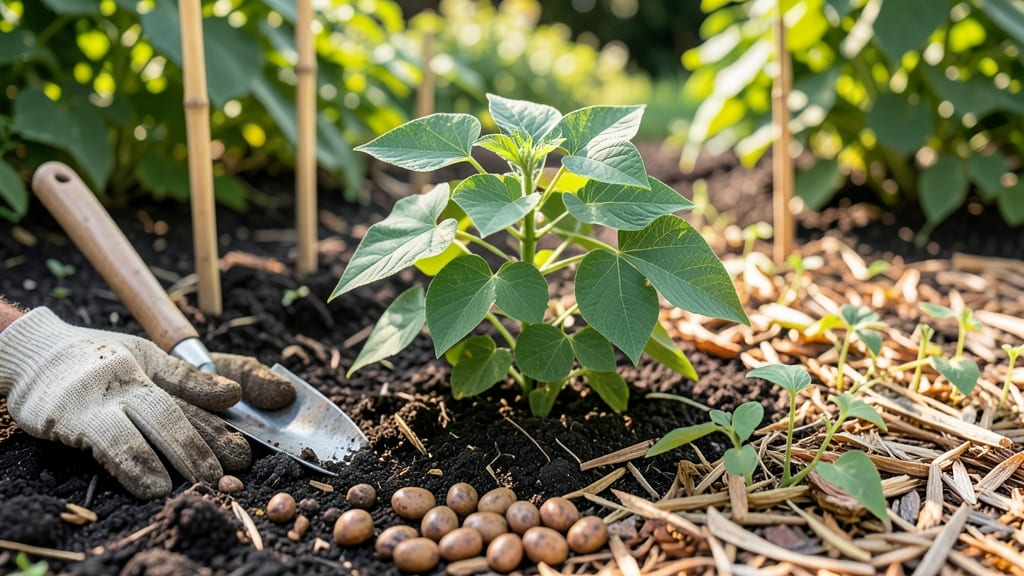
Planting beans in Utah’s 5-8 zones feels like solving a puzzle—get the timing wrong, and your seeds might never sprout, but nail it, and you’ll enjoy fast harvests in just 55 days.
The key isn’t just waiting for spring; it’s reading your soil’s temperature cues, which can shift dramatically between Utah’s high desert and Wasatch Front.
I’ve learned the hard way that planting too early in chilly April soils can leave seeds sitting dormant, while waiting too long risks heat stress by June. The sweet spot? Soil at 60°F—warm enough for quick germination but cool enough to avoid wilting.
For 🌱 beans to thrive in Utah’s microclimates, you’ll need a strategy that accounts for everything from Salt Lake Valley’s urban heat islands to St. George’s scorching summers.
What if I told you there’s a two-planting trick to double your harvest? By timing your first batch for early May and a second for late August, you can stretch your growing season and avoid the dreaded late-frost surprises that plague Utah gardens.
Let’s break down the exact soil temps, regional adjustments, and pro tips to turn your bean patch into a fast, foolproof success.
Whether you’re a first-time gardener or a veteran with a few failed attempts under your belt, this guide cuts through the guesswork. You’ll discover how to test soil temperature, pick the right varieties for your zone, and even salvage a struggling crop if Utah’s unpredictable weather throws you a curveball.
Ready to grow beans that outperform the 60-day promise?
Utah’s ideal soil temperature for planting beans: exact degrees & timing
Beans thrive when planted in soil that’s warm enough to trigger quick germination, but Utah’s high-desert climate and microclimate variations make timing critical. The ideal soil temperature range for planting beans is 55–85°F, but this shifts based on bean type and Utah’s three distinct growing zones.
Too cold, and seeds rot; too hot, and they dry out before sprouting.
Pole beans (like Kentucky Wonder) and bush beans (like Blue Lake) have slightly different preferences. Pole beans prefer 60–85°F soil for vigorous climbing, while bush beans germinate best at 55–75°F.
Utah’s Wasatch Front (e.g., Salt Lake City) typically hits these temps by mid-May, while southern Utah valleys (e.g., St. George) can plant as early as late March.
Here’s the exact breakdown of soil temperatures by bean type and Utah region, plus how to test your soil and adjust planting dates for early vs. late varieties.
To test your soil temperature, use a soil thermometer inserted 2 inches deep. Check readings for 3 consecutive days—morning temps are most reliable. In Utah’s high-desert regions, soil warms 10–15°F faster than air temperature, so don’t rely on air thermometers.
For example, when Salt Lake City’s air hits 70°F, soil may still be 55°F.
Adjust planting dates based on your last frost date and bean variety. Early varieties (like ‘Blue Lake’) can handle slightly cooler soil (55°F), while heat-tolerant types (like ‘Utah Pink’) thrive at 70–85°F.
In northern Utah, wait until mid-May for pole beans, but southern Utah can plant bush beans as early as late March.
For a continuous harvest, plant two batches: one in early spring (when soil hits 60°F) and another in late summer (August) for a fall crop. Use row covers to warm soil faster in cool springs or protect from late frosts in fall.
If your soil runs hotter than 85°F (common in July–August in southern Utah), delay planting until evening temps drop below 90°F. Use shade cloth or mulch to keep roots cool. Overheated soil can cause poor germination or stunted growth.
Pro tip: Mix compost or aged manure into soil before planting to improve moisture retention and warmth. This is especially helpful in Utah’s dry, sandy soils, which heat up and cool down rapidly. Aim for 1–2 inches of compost per planting hole for best results.
Remember, beans are sensitive to frost—even young seedlings can’t survive temps below 32°F. Monitor 10-day forecasts and have a row cover ready for unexpected cold snaps. In high-elevation areas (e.g., Park City), wait until after May 15 to plant.
By mastering soil temperature and adjusting for Utah’s microclimates, you’ll ensure fast germination and a bountiful harvest in just 55–70 days. Happy planting! 🌱
Best months to plant beans in Utah’s 3 key zones (Salt Lake, St. george, northern Utah)
Utah’s diverse climate means your bean planting schedule should vary dramatically between Salt Lake City’s valley, St. George’s desert heat, and northern Utah’s cooler highlands. Each zone has unique frost dates and heat tolerance challenges that can make or break your harvest.
For example, St. George’s 100°F+ days demand early planting, while northern Utah’s late May frosts require patience. Let’s break down the exact months for each zone to maximize your yield.
Mastering the two-planting strategy is key—plant once in spring for early harvests and again in late summer for fall production. This approach works in all Utah zones, but timing shifts based on local frost risks.
For instance, Salt Lake’s April 20 last frost date allows early plantings, while St. George’s March 15 last frost lets you start even sooner. We’ll cover how to extend your season with row covers and when to avoid planting entirely due to heat stress.
- 📅 Salt Lake Zone (USDA 6-7): Plant bush beans in late April–early May (soil at 60°F) and pole beans in mid-May for summer harvests. For fall, plant August 1–15 to harvest before October 15 frost.
- ☀️ St. George Zone (USDA 9): Start pole beans as early as mid-March (soil at 55°F) and bush beans in late March–April. Avoid planting after May 15 due to extreme heat—opt for shade cloth if extending into summer.
- ❄️ Northern Utah (USDA 5-6): Wait until May 10–20 for bush beans and June 1 for pole beans to avoid late frosts. Fall plantings? Try late July–early August with row covers for protection.
- 🌱 Pro Tip: Use black plastic mulch in St. George to warm soil faster, and straw mulch in northern Utah to retain moisture and moderate temperatures.
- ⏰ Heat Warning: If daytime temps hit 90°F+, pause planting—beans won’t germinate and may rot. St. George gardeners: plant in morning shade or use drip irrigation.
In Salt Lake City, the two-planting window is your best bet: start with bush beans in late April for a June harvest, then follow with pole beans in early May for a July-August bounty.
For fall, don’t miss the August 1–15 planting—this gives you pods through September before the first frost. Use row covers to push harvests into October if your microclimate is mild.
For St. George’s desert climate, the early start is critical. Plant pole beans in March to beat the heat, as temperatures can exceed 100°F by May. If you attempt summer plantings, use 30% shade cloth and water deeply at soil level to prevent evaporation.
Varieties like ‘Utah Pink’ handle heat better than others, but avoid planting after May 15 unless you’re committed to drip irrigation and evening watering.
Northern Utah gardeners face the toughest timing due to late frosts. Wait until after May 10 for bush beans and June 1 for pole beans to ensure soil stays above 50°F at night.
For fall harvests, try late July plantings with row covers—this can net you beans into September. If frost hits early, harvest pods before they toughen and save seeds for next year.
No matter your zone, soil temperature is the real decider. Use a soil thermometer to confirm 60°F+ before planting—cold soil = failed germination. In Utah’s dry climate, mulch heavily with straw or grass clippings to retain moisture, especially in St. George’s intense sun.
With the right timing, you’ll enjoy fresh beans for 3–4 months—from June to September in most zones.