
Plants
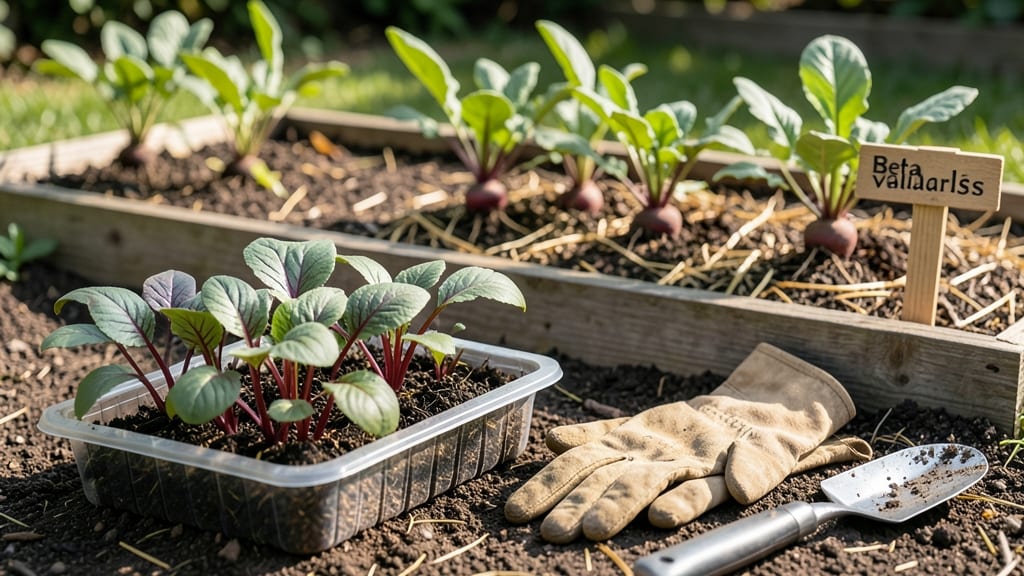
If you’ve ever planted beets 🍠 in Indiana only to watch frost turn your tender seedlings into sad, wilted ghosts, you’re not alone.
The key to a bountiful harvest isn’t just luck—it’s knowing when to plant them so they thrive between Indiana’s unpredictable last frost (April 15) and first frost (October 20).
Timing is everything with beets 🍠—plant too early, and frost zaps your crop; too late, and your roots turn woody and bitter.
But here’s the good news: with Indiana’s two ideal planting windows—early spring (March 15–April 30) and late summer (September 1–October 15)—you can enjoy crisp, sweet beets all season long.
I’ll break down the exact frost-date formula for Indiana gardeners, including how to adjust for soil warmth and succession planting. Whether you’re a first-timer or a seasoned grower, these tips will help you avoid common mistakes and maximize your harvest.
Ready to grow beets 🍠 that are tender, flavorful, and ready just in time? Let’s dive into the best planting schedule for Indiana’s climate—and how to keep your garden productive from June through November.
Indiana’s frost-date formula for planting beets (with exact timing)
Indiana’s last frost date typically falls between March 20 and April 15, while the first frost arrives around October 15–November 10. These dates create two ideal planting windows for beets 🍠—early spring and late summer—where you can avoid frost damage and ensure tender roots.
The key is planting 4–6 weeks before the last frost for spring crops and 8–10 weeks before the first frost for fall harvests.
Beets thrive in cool weather (50–75°F), making them perfect for Indiana’s shoulder seasons. If you plant too early, seedlings may rot in cold soil; too late, and your harvest will taste bitter and woody.
By following the frost-date formula, you’ll align your planting with Indiana’s 165 frost-free days, maximizing your yield from June through November.
📅 Spring Planting Window: March 15–April 30 (soil should be at least 50°F). Start seeds indoors in early March or sow directly outdoors once soil warms. For a continuous harvest, make weekly plantings until May 1.
📅 Fall Planting Window: September 1–October 15 (aim for harvest before October 20). Sow seeds directly outdoors, spacing them 1 inch apart, and thin to 2–3 inches once seedlings emerge. Succession plant every 2 weeks for a staggered harvest.
| Planting Window | Action | Key Notes |
|---|---|---|
| Early Spring | Sow seeds outdoors March 15–April 30 | Soil temp ≥50°F; thin to 2–3" |
| Summer Succession | Plant every 2 weeks until May 1 | Shade cloth for hot spells |
| Fall Harvest | Sow seeds September 1–October 15 | Harvest before October 20 frost |
| Soil Prep | Test pH (6.0–7.0); add compost | Loosen soil to 12 inches deep |
| Harvest Window | June–August (spring); October–November (fall) | Pull when roots are 1–3 inches |
For northern Indiana (USDA Zone 5), push spring planting to April 1–May 15 to avoid late frosts, while southern Indiana (Zone 6) can start as early as March 1. Use a soil thermometer to confirm warmth—beets won’t germinate below 50°F.
Pro tip: Cover seedlings with frost cloth if late frosts linger in spring or early fall. This extends your planting window by 1–2 weeks without risking damage. Monitor local forecasts from the Indiana State Climate Office for real-time adjustments.
Succession planting is your secret to a continuous beet harvest. After your first spring planting, sow new seeds every 2–3 weeks until June. In fall, repeat the process every 2 weeks from September until October 15. This ensures you’re always harvesting fresh, tender beets.
Indiana’s microclimates can shift planting dates by 1–2 weeks. If you’re in a valley or low-lying area, expect colder nights and adjust accordingly. Conversely, urban heat islands may allow earlier spring plantings—test soil temps to confirm.
Remember, beets 🍠 are cool-season crops, so avoid planting when daytime temps exceed 80°F. If summer heat arrives early, opt for shade cloth or switch to heat-tolerant varieties like Chioggia or Golden Beets for fall plantings.
3 Critical factors that change your beet planting schedule in Indiana
While Indiana’s frost dates give you a starting point, three critical factors can shift your beet planting schedule by weeks—sometimes even months. Ignore these, and you’ll end up with either frost-damaged seedlings or woody, bitter roots.
Let’s break down how soil temperature, day length, and beet variety type (short-day vs. long-day) affect your planting windows—and how to adjust for Indiana’s north-south microclimates.
First, soil temperature is your #1 priority. Beet seeds won’t germinate until soil reaches 50°F, but northern Indiana (Zone 5) often hits this mark 2–3 weeks later than southern Indiana (Zone 6). Test your soil with a thermometer—if it’s below 50°F, wait.
In northern Indiana, aim for April 15–May 1 for spring plantings, while southern Indiana gardeners can start as early as March 15.
- 1 Soil Temperature: Beets need 50–75°F soil to germinate. Northern Indiana (Zone 5) may need to wait until April 15, while southern Indiana (Zone 6) can start March 15. Use a soil thermometer to avoid cold-soil failures.
- 2 Day Length: Beets are long-day plants—they bolt (go to seed) faster in 14+ hours of daylight. In Indiana, this means June–July plantings risk bolting. Stick to spring (March–May) and fall (September–October) for best results.
- 3 Variety Type: Short-day varieties (e.g., Detroit Dark Red) thrive in Indiana’s climate, while long-day varieties (e.g., Chioggia) may bolt earlier. Choose short-day types for spring/fall and heat-tolerant varieties for summer.
- 4 Microclimates: Valleys stay colder; urban areas warm up faster. Adjust planting dates by 1–2 weeks based on your location. Use frost cloth to extend spring/fall windows in cooler spots.
Next, day length plays a surprising role. Beets are long-day plants, meaning they bolt (go to seed prematurely) when exposed to 14+ hours of daylight. In Indiana, this typically happens in June–July.
To avoid bolting, stick to spring (March–May) and fall (September–October) plantings. If you must plant in summer, choose heat-tolerant varieties like Chioggia or provide 30% shade cloth to reduce daylight exposure.
Then there’s variety selection. Most beet varieties sold in Indiana are short-day types, which perform best in the state’s climate. However, long-day varieties (common in northern climates) may bolt earlier in Indiana’s longer summer days.
For spring plantings, opt for Detroit Dark Red or Golden Beets. For fall harvests, try Chioggia or Bull’s Blood, which handle cooler temps better.
Finally, Indiana’s microclimates can shift your planting schedule by 1–2 weeks. If you’re in a valley or low-lying area, expect colder nights and delay spring plantings by 7–10 days. Conversely, urban heat islands (like Indianapolis) may allow you to plant 2 weeks earlier in spring.
Always check soil temperature and monitor local forecasts from the Indiana State Climate Office for real-time adjustments.
Pro tip: For northern Indiana, use row covers to extend your spring planting window by 2–3 weeks. In southern Indiana, you can push fall plantings into early November if you protect seedlings with frost cloth.
The goal? Maximize your frost-free growing season while avoiding the heat and long days of summer.