
Plants
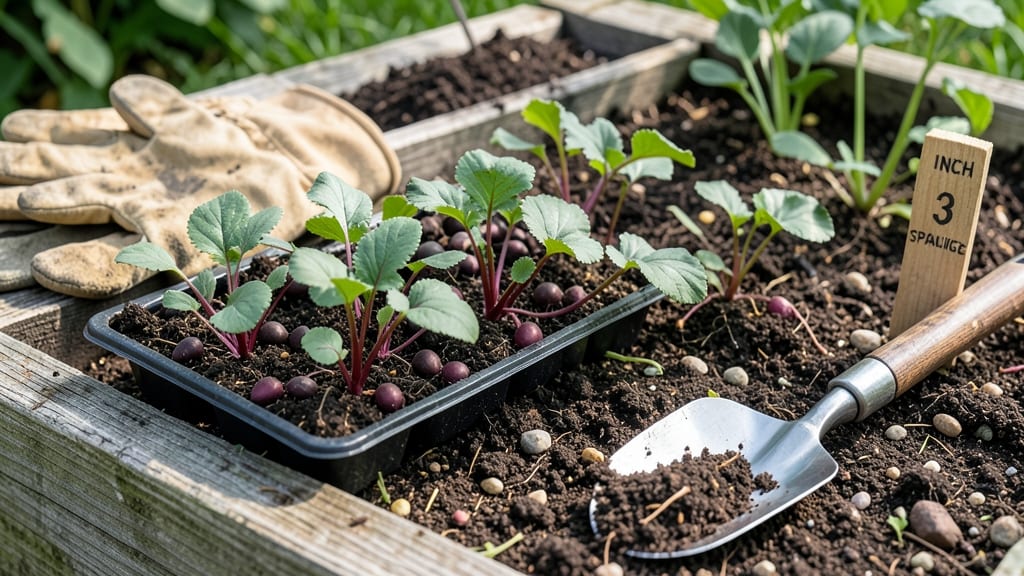
Planting beets in Minnesota isn’t just about timing—it’s about capturing that sweet spot between frost and heat to grow roots that are tender and packed with flavor. With the right window, you can enjoy a steady harvest from early summer through fall, even in USDA Zones 4a-5b where winters linger.
Most gardeners in Minnesota swear by two key planting windows: early spring (March–April) and mid-summer (July–August). The trick? Start seeds when soil temps hit 50°F+—too cold, and they’ll rot; too hot, and they’ll bolt. I’ll show you exactly how to avoid these pitfalls and keep your 🥕 harvest thriving.
If you’ve ever pulled up a beet only to find it tough or woody, you’re not alone. The secret lies in succession planting and soil prep—two strategies that can extend your harvest by weeks.
Let’s break down the best methods to maximize your yield, no matter where you are in the state.
Ready to grow beets that are sweet, crisp, and ready to harvest? I’ll walk you through the ideal planting schedule, frost-proofing tips, and even which varieties hold up best in Minnesota’s unpredictable climate. Let’s get those seeds in the ground!
Minnesota beet planting calendar by hardiness Zone (USDA 3-5)
Timing your beet planting in Minnesota’s USDA Zones 3-5 means the difference between a bountiful harvest and wasted seeds. With frost-free days averaging just 150, you’ll need to plan for both early spring and late summer plantings to enjoy fresh beets from June through October.
The key? Start seeds when soil temperatures hit 50°F+ and avoid planting too early when cold soils can stunt germination.
Minnesota’s last spring frost typically arrives in mid-May, but this varies yearly—always check your local frost date forecast before sowing. For Zone 3, aim for the earliest possible planting to maximize your growing window, while Zone 5 gardeners have slightly more flexibility.
No matter your zone, succession planting every 2-3 weeks ensures a steady supply of beets all season.
Here’s your zone-specific beet planting calendar, including soil temperature requirements and frost considerations to help you plan:
For Zone 3 gardeners, late April is your best bet for early planting, but be prepared to use row covers or a cold frame if frost threatens.
In Zone 5, you can start as early as early April, giving you a longer growing season and more flexibility for succession plantings. Always test your soil temperature with a soil thermometer—beets won’t germinate well in cold soils below 50°F.
Your late summer planting window is just as critical. In Zone 3, sow seeds by July 15 to ensure roots mature before first frost in mid-October.
In Zone 5, you can push it slightly later to July 15-30, but avoid planting after August 1—beets need 60-70 days to reach harvest size, and cooler fall temperatures slow growth.
Pro tip: Use black plastic mulch or straw mulch to warm the soil faster in spring, or shade cloth in late summer to protect seedlings from intense heat. These tricks can extend your planting windows by 1-2 weeks, giving you more opportunities for continuous harvests throughout the season.
Don’t forget about soil preparation! Beets thrive in loose, well-draining soil with a pH of 6.0-7.0. Work in compost or aged manure before planting to improve fertility, and avoid fresh manure, which can cause bolting (premature flowering).
A light application of balanced fertilizer (5-10-10) at planting time gives your beets the nutrients they need to grow sweet, tender roots.
Finally, keep an eye on your harvest timeline. Beets planted
How to extend beet season in Minnesota: succession planting & frost protection tips
Minnesota’s short growing season doesn’t mean you have to settle for just one beet harvest. With succession planting and smart frost protection, you can enjoy fresh, sweet beets from early summer through fall. The key is timing your plantings and using simple tools to shield tender seedlings from late frosts.
Start by planting your first crop in early spring (late April to early May) when soil temperatures reach 50°F or warmer. This gives you a head start on the season.
Then, sow two more batches every 3-4 weeks to ensure a continuous supply. By late July, you can even plant a fall crop that matures before hard frosts arrive.
- First Planting: Late April–early May (soil 50°F+)
- Second Planting: Early June (for summer harvest)
- Third Planting: Late July (for fall harvest)
- Frost Protection: Use row covers or black plastic mulch for early/late plantings
- Cold-Hardy Varieties: Choose Detroit Dark Red or Golden beets for better cold tolerance
- Harvest Before Frost: Aim to harvest 4-6 weeks before first frost (mid-October in MN)
To protect your beets from late spring frosts or early fall chills, use lightweight floating row covers or cloches. These allow sunlight and water to pass through while shielding plants from 28°F temperatures.
For extra warmth, lay down black plastic mulch 2-3 weeks before planting to raise soil temperatures faster in spring.
Another trick is to plant beets in containers or raised beds. These warm up quicker in spring and can be moved to protected spots if frost threatens. Just ensure containers have drainage holes to prevent waterlogged roots, which beets hate.
For fall harvests, focus on smaller varieties like Babybeat or Chioggia, which mature faster and tolerate cooler soil.
Don’t forget to harvest regularly to encourage new growth. Beets left in the ground too long become woody and tough. If frost is forecast, pull up the largest roots first and store them in a cool, dark place (like a root cellar) for up to 2 weeks.
With these strategies, you’ll enjoy homegrown beets for nearly half the year—no greenhouse required!
🌱