
Plants
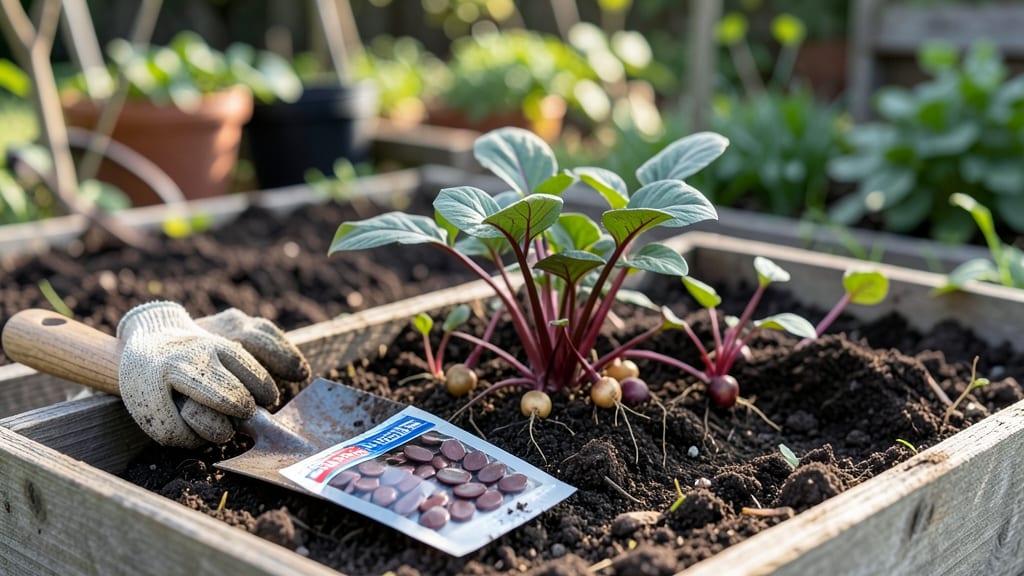
To grow the sweetest, crispest 🍠 in Oregon, timing is everything—plant beets too early, and frost turns them to mush; too late, and summer’s heat makes them tough and woody.
The key is locking in those frost-free windows by zone, whether you're in the cool coastal areas or the warmer inland valleys.
Most Oregon gardeners swear by two planting windows: early spring (March-April) for a summer harvest, and late summer (July-August) for fall feasts. But here’s the catch—your exact dates depend on where you live.
Coastal areas like the Willamette Valley can start 2-3 weeks earlier than high-desert zones, where frost lingers longer.
I’ll break down the perfect planting schedule for your specific USDA zone (7b-9a), plus pro tips to stretch your harvest season. Skip the guesswork and learn how to time it just right for beets that taste like they came straight from a farmers' market.
Ready to ditch the store-bought beets? Let’s get your garden on a schedule that actually works for Oregon’s quirky climate—no more wasted seeds or bitter harvests.
Oregon beet planting calendar by USDA hardiness zones (7-9)
Oregon’s diverse climate—from cool coastal fog to high-desert heat—means your beet planting window can vary by 100 miles or more.
In USDA Zones 7b-9a, coastal areas like Astoria (Zone 8b) have later frost dates than Bend (Zone 7b), while the Willamette Valley (Zone 8a) offers a balanced growing season.
To avoid frost damage or bolting from heat, align your planting with your local last spring frost and first fall frost—not the averages for your zone.
Beets thrive in cool weather but bolt (go to seed) when temperatures exceed 80°F for prolonged periods. In Oregon, this means spring plantings (March-April) and late summer plantings (July-August) work best.
For Zone 7 (high desert), aim for early March sowings, while Zone 9 (coastal) gardeners can start as late as mid-April without frost risk. Always check your local frost dates—they’re the #1 factor in Oregon’s variable climate.
Pro Tip: Use the National Weather Service’s frost calculator or your local Cooperative Extension office for precise dates. For example, Portland’s last frost averages April 15, but Medford’s can be as late as May 1. Planting too early in Medford risks frost, while Portland gardeners can start sooner.
⚠️ Critical Note: Beets are biennial, meaning they’ll bolt in their second year. If you harvest roots before winter, you can replant in early spring—but if left in the ground, they’ll flower the following year. Oregon’s mild winters mean some gardeners treat beets as perennial crops, but for consistent harvests, treat them as annuals and replant.
Oregon Beet Planting by Zone & Region
| Zone | Region | Last Frost | First Planting | Second Planting | Harvest Window |
|---|---|---|---|---|---|
| 7b | Bend, La Pine | March 20 | Early March | Late July | June–July, Sept–Oct |
| 8a | Portland, Salem | April 15 | Mid-March | Early August | May–June, Sept–Nov |
| 8b | Astoria, Cannon Beach | May 1 | Late March | Mid-August | June–July, Oct–Dec |
| 9a | Medford, Ashland | May 15 | Early April | Late August | June–July, Oct–Nov |
*Dates are averages—always verify with local sources for your microclimate.
For Zone 7 (high desert), like Bend or La Pine, start seeds indoors in late February and transplant after your March 20 last frost date. In Zone 8 (Willamette Valley), direct-sow outdoors from mid-March onward. Coastal Zone 8b areas like Astoria can wait until late March due to lingering coastal fog, while Zone 9 (Medford) gardeners should
How to extend your beet harvest season in Oregon’s climate
Oregon’s cool, wet springs and mild summers create the perfect conditions for a long beet harvest, but only if you plan ahead. The key? Succession planting and choosing varieties that thrive in our variable climate.
I’ve grown beets in both Portland’s Willamette Valley and high-desert areas near Bend, and the right techniques make all the difference.
Beets are cool-season crops that bolt (go to seed) when days get too long or temperatures rise above 80°F. In Oregon, that means spring and fall plantings are your best bets.
But with the right strategies—like shade cloth for summer heat and cold-hardy varieties—you can enjoy fresh beets from May through November.
- 🌱 Spring Planting: Sow seeds 4-6 weeks before last frost (typically March in Zone 8, April in Zone 7). Use ‘Detroit Dark Red’ or ‘Golden’ for early harvests.
- ☀️ Summer Succession: Plant heat-tolerant varieties like ‘Chioggia’ or ‘Boltardy’ in late July for fall harvests. Use 30% shade cloth if temps exceed 75°F.
- 🌿 Fall Planting: Sow seeds 8-10 weeks before first frost (typically August in Zone 9, July in Zone 7). Mulch heavily to protect from early frosts.
- 🪴 Container Gardening: Use 5-gallon pots for urban areas. Plant 2 seeds per pot and thin to 1. Harvest smaller beets (1 inch) for continuous yield.
- ✂️ Harvest Strategy: Thin seedlings to 3-4 inches apart and harvest every 2 weeks to encourage regrowth. Leave 1-2 inches of foliage to feed roots.
For urban gardeners with limited space, container gardening is a game-changer. I’ve successfully grown beets in fabric pots on my Portland balcony using a 50-50 mix of potting soil and compost.
The key is consistent moisture—containers dry out faster than in-ground beds. Water daily in summer and every other day in spring/fall.
If you’re in Oregon’s high-desert regions (like Bend or La Pine), focus on early spring and late summer plantings to avoid the intense midday heat.
Use black plastic mulch to warm the soil faster in spring and drip irrigation to keep roots cool. ‘Early Wonder Tall Top’ is a great choice for these areas—it matures in just 50 days.
Don’t forget about storage beets! Varieties like ‘Detroit Dark Red’ store well in cool, dark conditions (like a root cellar) for up to 3 months.
After your final harvest in October or November, cure the beets by leaving them in the ground for 2 weeks before digging. This improves flavor and storage life.
With these techniques, you can enjoy homegrown beets year-round in Oregon—whether you’re a suburban gardener or a high-desert homesteader. Start small, experiment with varieties, and soon you’ll have a continuous supply of sweet, crisp beets straight from your garden. Happy planting! 🌱