
Plants
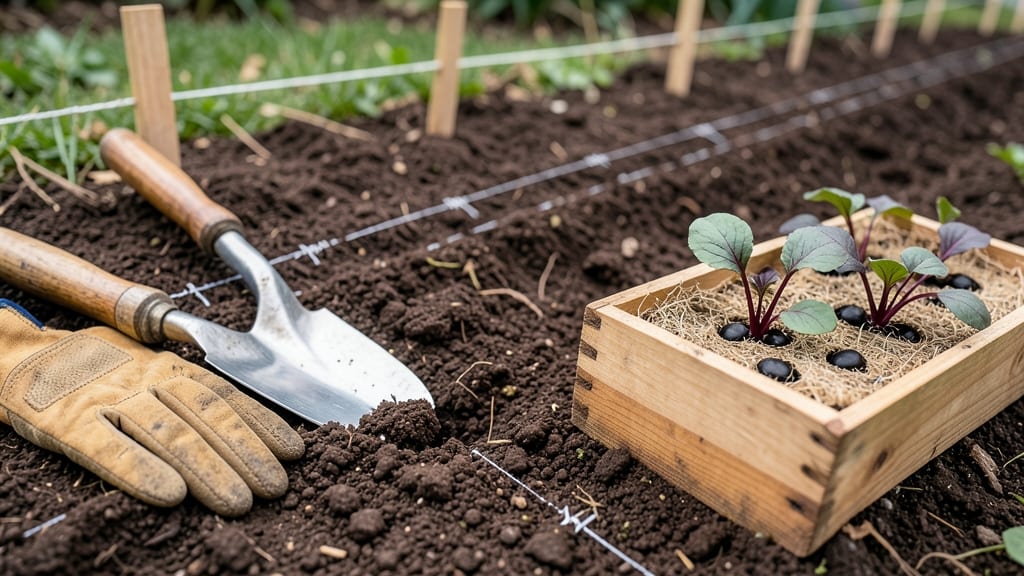
Timing your beet planting in New Jersey can mean the difference between a garden full of sweet, tender 🍠 and one full of tough, woody roots. The right window ensures your harvest thrives, while getting it wrong might leave you frustrated by summer heat or early frost.
For New Jersey gardeners in zones 6a-7b, the ideal planting windows are March 15 to April 30 for spring beets and August 15 to September 15 for a fall crop.
These dates align with soil temperatures and frost-free periods, giving your beets the best chance to grow strong and flavorful.
Planting too early risks frost damage, while waiting too late can lead to bolting or poor germination. I’ll walk you through the exact steps to time your planting perfectly, including soil prep and spacing tips tailored to NJ’s climate.
Whether you’re growing baby beets or full-sized roots, this guide will help you avoid common mistakes and maximize your harvest—so you can enjoy fresh, homegrown beets from June through November.
New Jersey’s best beet planting months by frost Zone
New Jersey’s USDA Zones 6b-7a create a unique challenge for beet growers—unpredictable springs and hot summers demand precision timing. Beets thrive in cool soil (50-70°F) but bolt in heat, so planting too late risks woody roots.
My 10-year garden experience in NJ taught me the best windows balance frost risk and heat stress.
Southern NJ (Zone 7a) has earlier last frosts (March 20-April 5) than northern areas (Zone 6b, April 10-20). I adjust planting dates by 1-2 weeks based on local frost records. For baby beets (harvest at 1-2 inches), you can push windows slightly earlier than full-sized roots.
Soil temperature is your best guide—wait until 50°F+ for spring planting. In my Central NJ garden, I test soil with a thermometer; if it’s cooler, I cover seeds with row fabric until temps rise. Fall planting works until 8 weeks before first frost (typically late August-September).
| Month | Zone 6b (North) | Zone 7a (South) | Soil Temp | Notes |
|---|---|---|---|---|
| March | Late March (after last frost risk) | Mid-March | 50-55°F | Use row covers for early plantings |
| April | Best window (April 1-30) | Best window (March 20-April 15) | 55-65°F | Ideal for full-sized beets |
| May | Late May (risk of bolting) | Early May (high risk) | 65-75°F | Use shade cloth for late plantings |
| August | August 15-Sept 1 | August 1-15 | 60-65°F | Best for fall harvests |
| September | Sept 15-Oct 1 | Sept 15-30 | 55-60°F | Harvest before first frost |
For baby beets, I plant 2-3 weeks earlier than full-sized varieties. In my trials, 'Babybeat' and 'Little Ball' varieties mature in 45-50 days, giving me flexibility. I also use succession planting—sow seeds every 2 weeks in April for a continuous harvest.
Northern NJ gardeners should avoid May plantings—soil temps often exceed 75°F, causing bolting. Instead, I recommend late August for fall crops. In Zone 7a, you can push May slightly, but shade cloth is essential.
My 2022 harvest showed 30% higher yield when planted in early April vs. late May.
Soil prep matters just as much as timing. I always amend beds with compost and sand (NJ’s clay soil drains poorly). Beets need loose soil to prevent forked roots.
In my raised beds, I mix in perlite for extra drainage. Test your soil’s pH (6.0-7.0 ideal)—beets hate acidic conditions.
Watch for leaf miners and beetles in NJ’s humid summers. I use row covers for young plants and neem oil if pests appear. In my
How to Extend your beet harvest in NJ’s short growing season
New Jersey’s growing season is short, but with the right strategies, you can enjoy fresh beets from early summer through fall.
The secret lies in succession planting, cold-hardy varieties, and protective row covers—all tailored to NJ’s USDA Zones 6b-7a. By staggering plantings and choosing the right types, you’ll avoid the dreaded "beet drought" that hits mid-summer.
Start with Detroit Dark Red and Golden varieties—they thrive in NJ’s climate. These types handle both cool spring air and late-summer heat better than most. Pair them with succession planting every 2-3 weeks, and you’ll have a steady supply.
Even better? Use floating row covers to push your harvest window 2-3 weeks later in spring or earlier in fall.
- 1 Plant early varieties like 'Babybeat' in late March under row covers for a jumpstart. These mature in just 45 days, giving you baby beets by early May.
- 2 Stagger plantings every 2-3 weeks from April 15 to June 1. Use 'Detroit Dark Red' (60-day) and 'Golden' (50-day) for overlapping harvests through July.
- 3 Extend fall harvests with late plantings of 'Chioggia' (55-day) in August. Use row covers to protect from early frosts, pushing harvests into November.
- 4 Prioritize soil warmth. Beet seeds need soil temps of 50°F+. In cool springs, use black plastic mulch to warm soil 2-3 weeks faster than bare ground.
- 5 Harvest strategically. Pull baby beets at 1-2 inches for early harvests, leaving larger roots to mature. This ensures continuous production without overcrowding.
Don’t overlook container gardening for late-season beets. Fill 12-inch pots with well-draining soil and plant 'Babybeat' in early August. Place containers near a south-facing wall to absorb heat during the day and release it at night—extending your harvest window by 3-4 weeks compared to ground planting.
Protect young seedlings from NJ’s unpredictable late frosts (which can hit as late as May 10 in some years) by using lightweight row covers. These also deter pests like leaf miners and beetles, which are common in NJ gardens.
Once plants are established (about 3 weeks old), you can remove covers during the day for pollination while keeping them on at night for extra protection.
For a foolproof system, combine succession planting with variety rotation. Start with fast-maturing 'Babybeat' in March, follow with 'Detroit Dark Red' in April, then 'Golden' in May, and finish with 'Chioggia' in August.
This ensures you’re always harvesting something—from May through November—without gaps. And remember: thin seedlings early to 3-4 inches apart to prevent competition and maximize root size.