
Plants
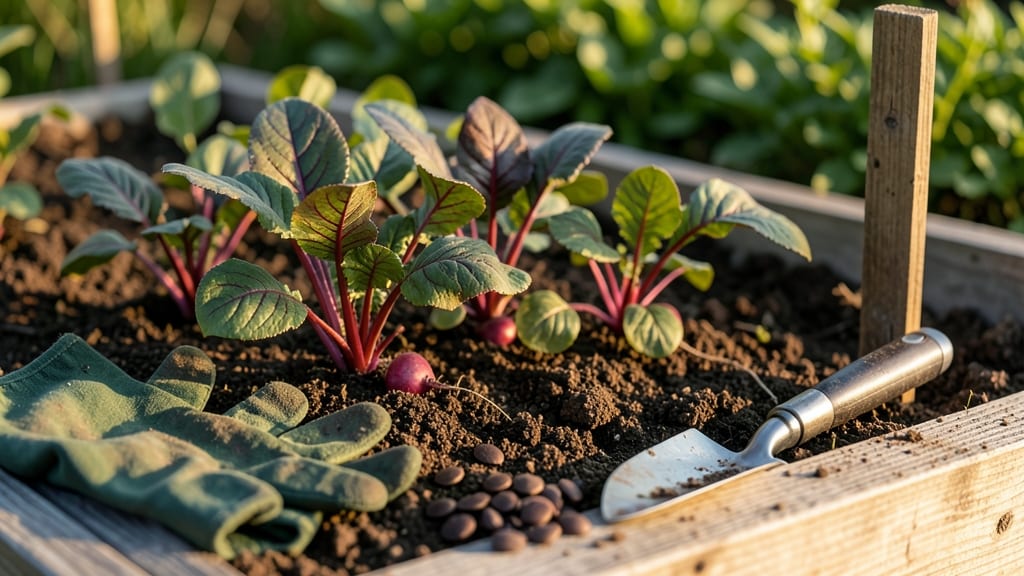
To grow sweet, tender 🍠 beets in Zone 9, timing is everything—plant too early or too late, and you’ll end up with bitter, bolted greens instead of the harvest you crave.
The key lies in avoiding those scorching summer months when temperatures soar, forcing beets to rush their life cycle and turn woody. I’ve learned that the perfect windows are late summer through early spring, when cooler air helps them thrive without stress.
Most gardeners in Zone 9 focus on fall and spring plantings, but there’s a trick to extending your season even further. By choosing the right varieties and using simple shade tricks, you can sneak in a few more harvests without sacrificing quality.
I’ll show you exactly how to time your plantings for maximum success, so you’re never left wondering why your beets turned out tough or stringy.
What’s even better? These strategies work for both home gardeners and urban growers with limited space. Whether you’re planting in raised beds, containers, or a backyard patch, the principles stay the same.
Let’s dive into the best months, soil prep tips, and heat-beating hacks that’ll have you harvesting crisp, flavorful beets all year round.
Ready to skip the guesswork? I’ll walk you through the exact schedule—including which varieties handle Zone 9’s heat the best—and how to keep your beets happy from seed to harvest. No more wasted effort, just sweet, bolt-free success.
Optimal planting windows for beets in Zone 9’s climate
Zone 9’s warm winters and hot summers make beet planting a delicate balance. Unlike cooler zones, you’ll skip the traditional spring-only schedule and focus on fall and early spring windows to avoid bolting and bitter flavors.
The key? Plant when soil temps stay between 50-75°F—too hot, and your beets will rush to seed before you harvest.
I’ve learned the hard way that summer planting in Zone 9 is a recipe for disappointment. Beets planted in June or July often bolt within weeks, sending up tall flower stalks and leaving you with tough, woody roots.
Instead, aim for two main planting windows: late summer for fall harvests and early spring for summer harvests.
For spring planting, start seeds indoors in late January or direct-sow in February-March when daytime temps drop below 80°F. I’ve had great success with succession planting every 2 weeks through April to ensure a continuous harvest.
Use black plastic mulch to warm soil faster in cooler months and shade cloth if spring heats up unexpectedly.
My favorite fall planting window is August-September, when daytime highs begin to dip. This gives beets 8-10 weeks to mature before winter sets in. I always test soil moisture before planting—Zone 9’s dry spells can cause seeds to dry out before germinating.
A quick soil probe test (stick a screwdriver in—if it comes out dry, water first) saves me from replanting.
One common mistake I see is planting beets too late in fall. If you sow after October 15th in most of Zone 9, your beets may not reach harvest size before winter slows growth.
Instead, choose fast-maturing varieties like 'Babybeat' or 'Detroit Dark Red' (50-60 days to maturity) for late-season plantings.
Don’t overlook microclimates in Zone 9. Coastal areas like San Diego can handle slightly later plantings than inland Phoenix. If you’re near the coast, you might extend fall plantings into early October, while inland gardeners should finish by mid-September. Always check your local agricultural extension service for hyper-local advice.
To maximize your harvest, I recommend succession planting every 3 weeks during your chosen window. This ensures you always have young, tender beets ready to harvest. For example, plant one batch in early March, another in mid-March, and a final one in late March.
By June, you’ll have a steady supply of fresh beets instead of one overwhelming harvest.
Remember, soil temperature matters more than air temperature. Use a soil thermometer ($10 at garden centers) to confirm conditions. Beets need soil at least 50°F to germinate—colder soil will leave you waiting weeks for sprouts.
If your soil runs hot (above 80°F), even in spring, provide afternoon shade with a simple row cover or even a piece of white fabric draped over a hoop.
With these Zone 9-specific timing tips, you’ll bypass the bolting blues and enjoy sweet, crisp beets all year. The secret? Plant cool, harvest before it gets hot—simple as that. 🌱
How to extend beet season in hot zones: shade, mulch, and succession techniques
Zone 9’s relentless sun can turn your beet harvests from sweet to bitter overnight—but with the right strategies, you can extend your season and enjoy fresh beets year-round. The key lies in heat protection, soil moisture, and smart planting schedules that avoid summer’s worst months.
I’ve grown beets in 100°F+ heat using these methods, and they’ve saved my harvests every time.
Beets thrive in cool-season conditions (50–75°F soil temps), but Zone 9’s summers push them into heat stress, causing bolting or woody roots.
By combining shade solutions, mulching techniques, and succession planting, you can trick your beets into thinking it’s spring or fall—even in the dead of summer. Let’s break down the exact steps I use to keep my garden productive.
🌱 Top 5 Techniques to Extend Beet Season in Zone 9
- 🌞 1. Use shade cloth (30-50%) during peak sun (10 AM–4 PM) to drop soil temps by 10-15°F.
- 🪴 2. Mulch with 3+ inches of straw to retain moisture and block heat absorption.
- 💧 3. Water deeply at dawn (1–1.5 inches) to cool roots and prevent bolting.
- ✂️ 4. Thin seedlings to 2-3 inches apart for better airflow and reduced stress.
- 🌱 5. Plant successionally every 2 weeks (fall/winter) for continuous harvests.
Start with shade solutions like lightweight row covers or 30-50% shade cloth draped over hoops. I’ve seen soil temps drop from 95°F to 78°F under shade, which is the difference between edible beets and bitter scraps.
For maximum protection, combine shade with white mulch (like straw or reflective landscape fabric), which deflects sunlight and keeps roots cool.
Mulching isn’t just about retaining moisture—it’s a heat shield. I use 4+ inches of straw around my beet beds, which reduces soil temperature fluctuations and keeps roots consistently moist.
Pro tip: Refresh mulch every 4-6 weeks as it breaks down, and avoid organic mulches like wood chips, which can compact and suffocate roots.
Succession planting is my secret weapon for year-round beets. Instead of one big planting, I sow small batches every 2 weeks from late summer through early spring. This ensures a steady supply of young, tender beets that never hit the heat stress threshold.
For example, I plant 50 seeds every 14 days in September, then again in November and January—guaranteeing harvests in October, December, and February.
Don’t forget to harvest strategically: Pull the largest beets first to reduce competition for water and nutrients. In Zone 9, aim to harvest beets before they reach 2 inches in diameter—this keeps them sweet and prevents woody texture.
With these techniques, I’ve enjoyed beets every month of the year, even in summer’s peak heat.
🌿